


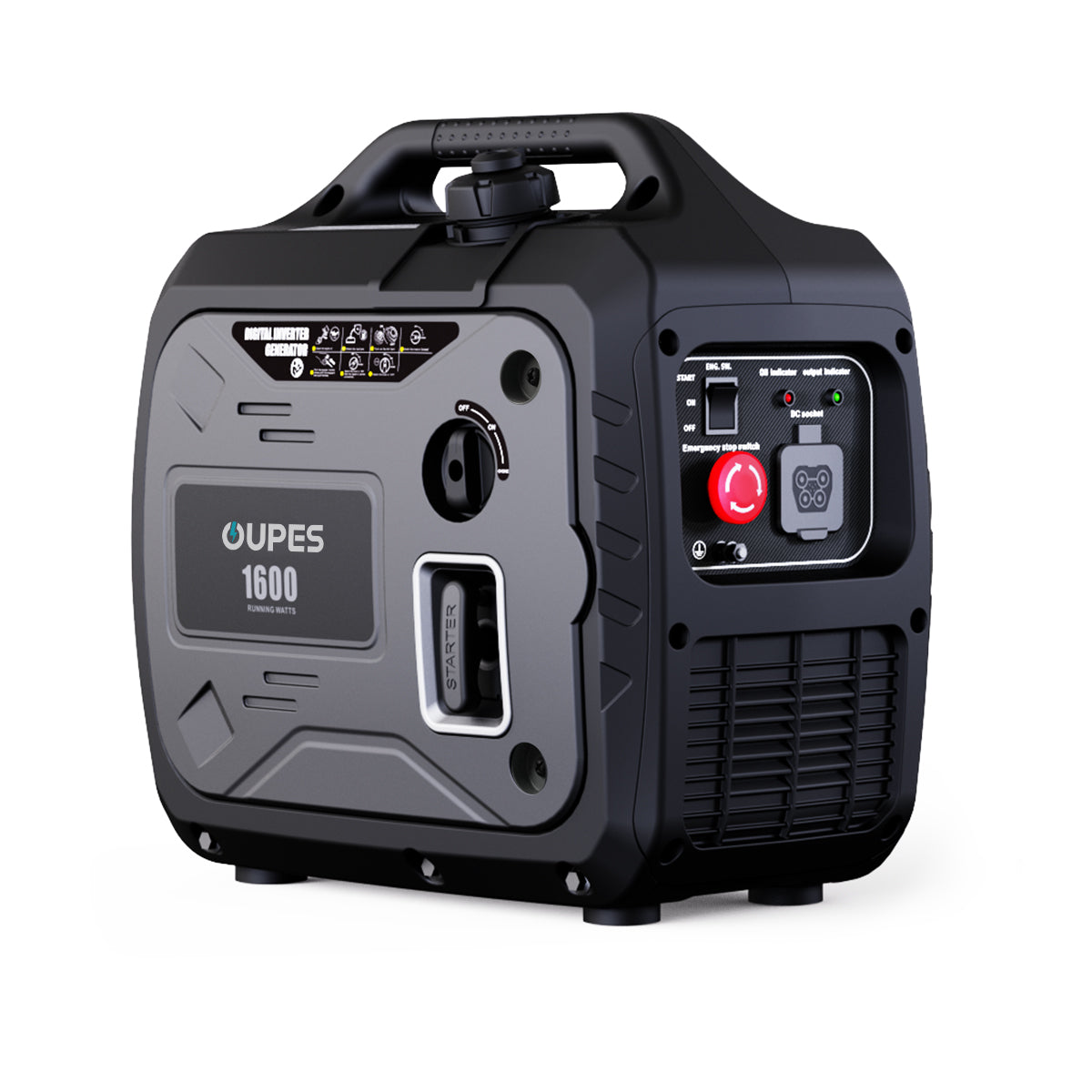


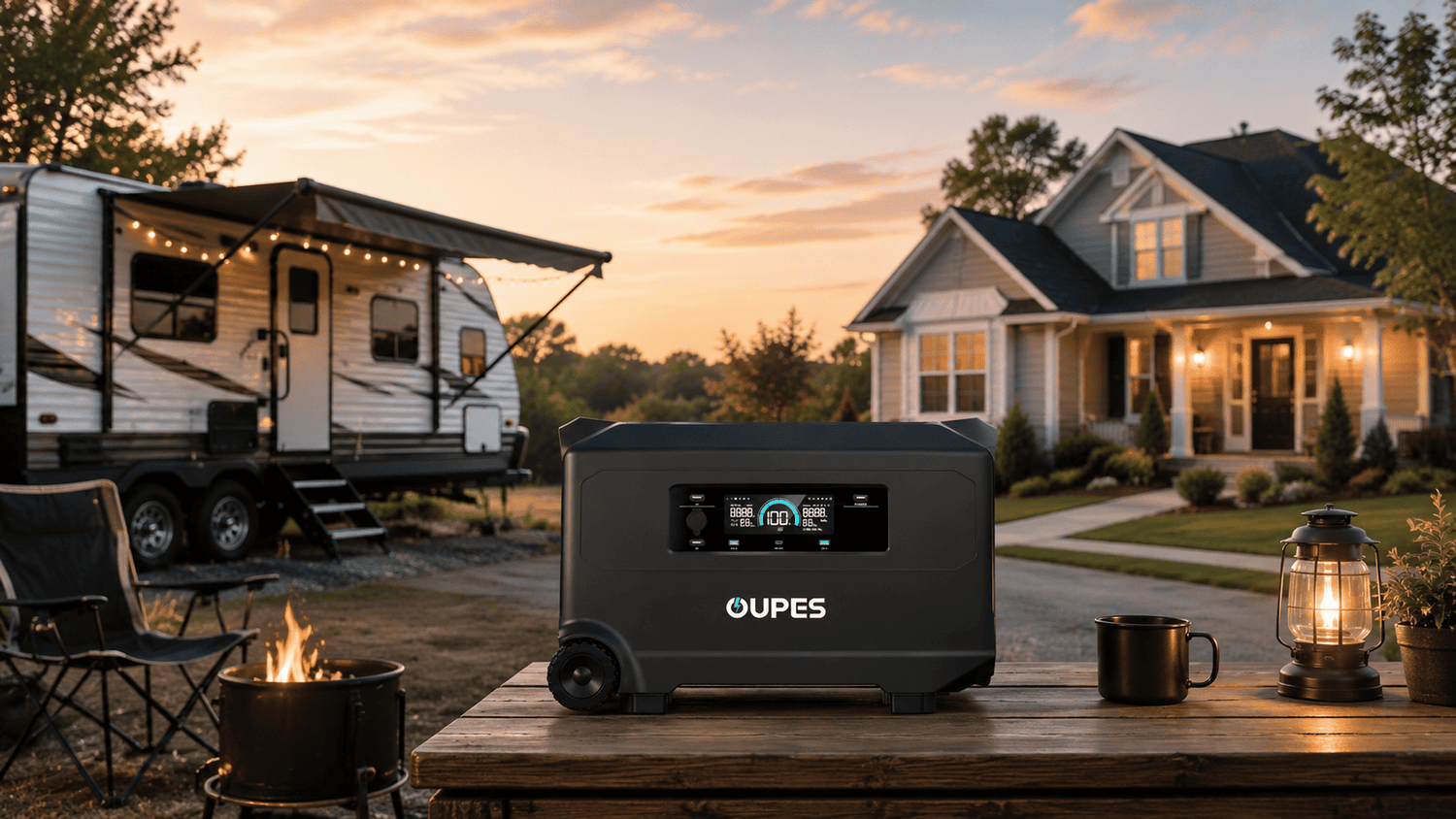
There is no single best state for off-grid living. A promising property is the one where the specific county and parcel support your intended dwelling, legal water source, wastewater plan, access, insurance, communications, and year-round energy budget. State reputation is only a screening tool. Local rules, elevation, wildfire or flood exposure, road conditions, well depth, and winter or cooling loads can vary dramatically within the same state.
This guide uses American English and separates permanent solar or building work from portable backup. Product ratings come from the current US regional product table; local permits, contracts, site conditions, and equipment manuals still control the final decision.
Five State Profiles Worth Researching
Arizona and New Mexico attract attention for solar resource and rural land, but water availability, extreme heat, elevation, tribal or federal land boundaries, and county rules can dominate the decision. Texas offers varied climates and land markets, yet heat, storms, water, septic, and county or municipal requirements still need parcel-level review. Tennessee and Missouri may offer more precipitation and moderate solar potential, but humidity, storms, winter conditions, access, and local codes remain important.
These are research starting points, not a ranking or legal approval. The best county for one household may be unsuitable for another. Compare at least three parcels in each target area using the same checklist, and obtain written answers from the relevant local offices before treating a listing as buildable.
Codes, Land Use, Water, and Wastewater
FEMA’s building-code guidance for homeowners explains that code adoption varies by state and can also vary within a state. Contact county planning, building, environmental health, fire, and road departments. Ask about dwelling type, minimum size, accessory structures, electrical permits, septic design, wells or hauled water, driveway access, addressing, and emergency access.
Verify deed restrictions, easements, mineral or water rights, surveys, floodplain, wildfire exposure, and legal access. A parcel marketed as unrestricted may still be subject to state environmental rules, septic requirements, utility easements, or lender and insurer conditions. Pay for professional due diligence before closing, not after discovering that the intended system cannot be approved.
Climate Changes the Energy Budget
NREL’s US solar resource maps help compare broad regional solar patterns, but a parcel still needs shade, horizon, slope, dust, snow, and seasonal analysis. High solar resource can be offset by large cooling loads; a cloudy region may still work if the home is efficient and loads are modest.
List heating, cooling, refrigeration, water pumping, treatment, communications, tools, and transportation energy. Well pumps and HVAC motors add startup demand. Winter access can affect fuel or service delivery, while wildfire smoke or storms can reduce solar production. Size storage around essential loads and plan a second charging path.
Use a Property Scorecard
| Category | Questions |
|---|---|
| Legal use | Can the dwelling and accessory systems be permitted on this parcel? |
| Water | Is the source legal, reliable, testable, and affordable to develop? |
| Wastewater | Does soil and site access support an approved system? |
| Climate | What are heating, cooling, storm, fire, and freeze risks? |
| Energy | What are monthly loads, peak watts, solar resource, and backup options? |
| Access | Who maintains the road and can emergency vehicles reach the site? |
The Mega 1 + B2 Home Backup package offers 3,072Wh capacity and 2,000W rated output for a measured essential-load plan. It is portable home backup, not a permitted whole-building electrical system. Use the off-grid power station page and home backup collection to compare category roles.
Compare Climate Regions, Not State Labels
Southwestern high desert can offer strong solar resource with cold nights, heat, dust, and scarce water. Mountain regions can bring snow, steep access, shade, wildfire, and short winter days. Humid Southeast locations can reduce heating severity in some areas but add cooling, moisture, storms, insects, and vegetation management. Central regions may offer land and rainfall while exposing structures to wind, tornadoes, ice, or temperature extremes.
Build a monthly load model for each candidate parcel. Heating fuel, electric cooling, well pumping, water treatment, refrigeration, communications, and workshop loads may shift the preferred location. A state with attractive annual sun can still create a difficult summer energy budget.
Due Diligence Before an Offer
Request parcel identification, survey, title report, deed restrictions, legal access, tax status, and any existing permits. Call local planning and environmental health offices with the parcel number and a clear description of the intended dwelling, occupancy, water, wastewater, and power systems. Ask for the applicable code edition and written application requirements.
Visit in difficult weather when possible. Check road grade, mud, snow, drainage, shade, wind exposure, cellular signal, neighboring uses, and realistic travel time to services. Obtain well, septic, driveway, foundation, and solar estimates before treating low land price as low project cost.
Resilience Beyond Electricity
Energy cannot compensate for an unreliable water source, inaccessible road, unsafe wastewater plan, or uninsurable structure. Store water safely, plan sanitation, maintain fire defensible space where appropriate, and identify evacuation or shelter options. Medical access, communications redundancy, and community relationships are part of off-grid resilience.
For electricity, layer efficiency, generation, storage, and backup. Keep critical loads separate from high-demand comforts. A portable home-backup package can bridge selected needs while a fixed system is serviced, but long-term occupancy deserves a professionally designed plan with documented maintenance and replacement assumptions.
A Better Decision Rule
Do not ask which state is best in the abstract. Ask which verified parcel produces the strongest combination of legal use, water, access, manageable climate loads, hazard tolerance, services, and total project cost for your household. Score each category and reject parcels with an unresolved critical item, even if their solar potential or scenery is appealing.
Power, Capacity, and Solar Production Are Different
Watts describe the rate at which equipment uses or produces power. Watt-hours describe stored or consumed energy over time. A system can have enough energy for a day and still fail to start a motor if its inverter cannot handle the momentary demand. It can also have ample rated output but run for only a short period if the battery is small relative to the load. List continuous watts, possible startup watts, and daily watt-hours separately.
Solar-panel nameplate power is a test-condition rating, not a promise of identical output every hour. Shade, orientation, temperature, clouds, cable losses, controller limits, and season all matter. Use a range for expected production and leave reserve energy for poor weather. When portable panels charge a power station, the station’s documented solar-input limits remain the controlling boundary even if more panel wattage is physically available.
Keep Fixed Solar and Portable Backup in the Right Categories
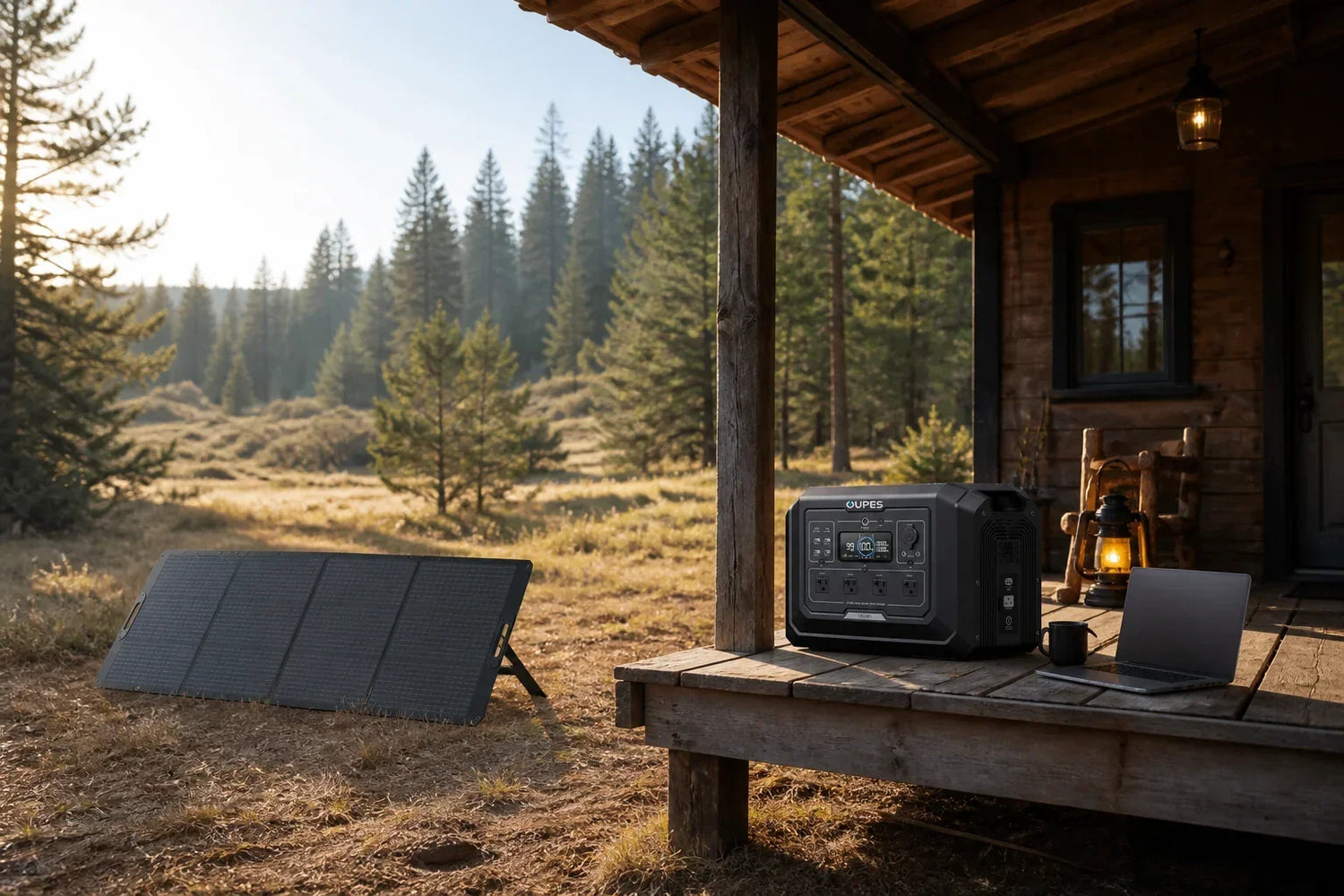
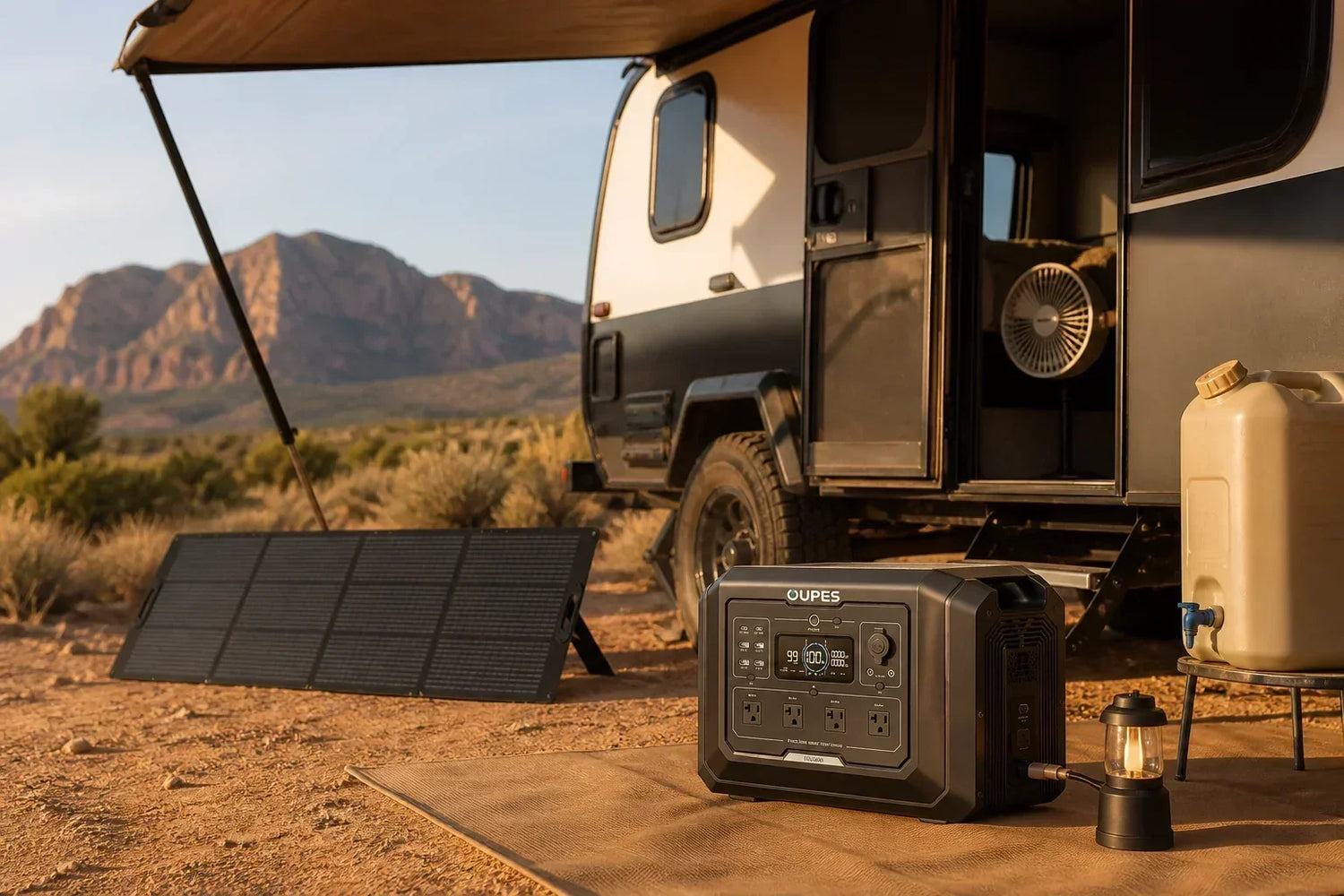
A roof, carport, greenhouse array, or permanent tiny-house electrical system may involve structural engineering, electrical permits, utility interconnection, grounding, overcurrent protection, and code-compliant wiring. A portable OUPES solar generator is a power station packaged with portable solar charging. It can support compatible plug-in loads, but it should not be described as a grid-tied array, an automatic whole-home system, or a substitute for professional fixed wiring.
That boundary is useful rather than limiting. A fixed array can serve the building’s long-term energy plan, while portable storage can cover selected loads, travel, maintenance outages, or locations where permanent work is not appropriate. Review the US solar generator collection, portable solar panels, and home backup packages as distinct categories instead of assuming that every product solves the same problem.
Use a Repeatable Sizing Workflow
Start with a load inventory. For each item, record rated watts, hours per day, startup behavior, and whether it must run at the same time as another device. Multiply watts by hours to estimate daily watt-hours, then add a reserve rather than planning to empty a battery completely. For thermostatically controlled loads, measure real cycling when practical because a simple nameplate-times-hours estimate may be too high or too low.
Next, compare three constraints in order: connection compatibility, simultaneous output, and energy duration. A connection that does not match cannot be fixed by extra battery capacity. An inverter that is too small cannot be fixed by extra solar panels. A battery that is too small cannot be made dependable by assuming perfect sun. Document each constraint independently and confirm uncertain specifications with the equipment manufacturer.
Plan for Weather, Placement, and Maintenance
Keep portable power equipment dry, ventilated, stable, and within the manufacturer’s temperature limits. Route cables where they will not be pinched, crushed, tripped over, or left in standing water. Inspect connectors for damage and contamination before use. Never disconnect energized DC connectors casually, improvise adapters, or mix components merely because they appear to fit.
Production and load both change with weather. Winter can reduce solar hours while heating-related demand rises; summer heat can increase ventilation or cooling loads. Recheck the energy budget for the hardest relevant season. Store manuals, cable identification, load calculations, and a simple shutdown procedure with the equipment so another household member can operate the setup without guessing.
Frequently Asked Questions
Which state has the fewest off-grid restrictions?
There is no dependable state-only answer. Building, zoning, septic, water, fire, and electrical requirements can vary by county, municipality, parcel, and project type. Verify the exact location.
Is Arizona best for off-grid solar?
Arizona has strong solar resource in many areas, but heat, water, elevation, wildfire, dust, land status, and local permitting can outweigh generation potential for a specific property.
Can I live off-grid without building permits?
Do not assume so. Contact the local authority before purchase or construction. A remote parcel can still be subject to building, electrical, septic, well, road, and fire rules.
How much battery storage does an off-grid home need?
Calculate essential daily watt-hours, simultaneous and startup watts, seasonal production, desired reserve days, conversion losses, and a backup charging plan. Whole-home needs vary widely.
Is high solar resource enough to choose a state?
No. Water, wastewater, heating and cooling loads, hazards, access, healthcare, communications, insurance, taxes, and local rules may be more decisive.
Can a portable home-backup package power an off-grid house?
It can support compatible measured loads within its ratings, but a permanent dwelling may need a larger professionally designed electrical, storage, generation, grounding, and permitting plan.
Conclusion
The best state for off-grid living is discovered at county and parcel level. Screen promising regions, then verify legal use, water, wastewater, hazards, access, communications, and a seasonal energy model in writing. An OUPES home-backup package can support selected loads, but it is one component of resilience—not proof that a property or whole-home design is viable.
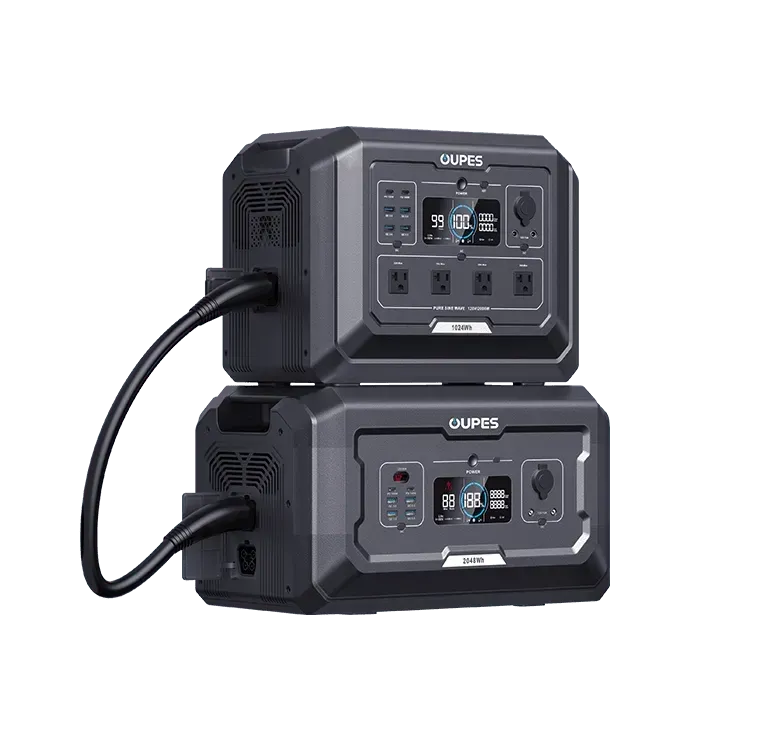
Mega 1 + B2 Extra Battery Home Backup
- Mega 1 with one B2 expansion battery
- 3,072Wh capacity
- 2,000W rated output
- Up to 800W solar input


Leave a comment
This site is protected by hCaptcha and the hCaptcha Privacy Policy and Terms of Service apply.