




Table of Contents
- TL;DR / Key Takeaways
- 1. Conduct a Home Energy Audit
- 2. Switch to Energy-Efficient Lighting
- 3. Upgrade to Smart Thermostats
- 4. Unplug Idle Electronics and Use Smart Plugs
- 5. Optimize Appliance Usage
- 6. Improve Home Insulation
- 7. Take Advantage of Natural Light and Ventilation
- 8. Install Solar Panels or Use Portable Solar Generators
- 9. Practice Smart Water Heating Habits
- 10. Monitor and Adjust Your Energy Behavior
- Energy Consumption Comparison Table
- FAQ
TL;DR / Key Takeaways
- Regularly assessing energy consumption can reveal hidden inefficiencies that cost hundreds annually (U.S. Department of Energy).
- Simple actions like switching to LEDs or unplugging idle devices can cut bills by up to 20%.
- Portable power stations and solar generators offer renewable, cost-effective power solutions during peak rate hours or outages.
- Combining behavioral changes with clean technology (such as OUPES power stations) maximizes long-term household savings.
1. Conduct a Home Energy Audit
A home energy audit is the first step toward identifying energy waste. According to Energy.gov, professional audits can reduce household consumption by 5–30%. You can also perform a basic self-audit:
- Check for air leaks around windows and doors.
- Inspect insulation in attics and crawl spaces.
- Review utility bills to identify peak usage periods.
An audit provides a baseline for where to focus improvements.
2. Switch to Energy-Efficient Lighting
Lighting accounts for about 10–15% of a typical home’s electricity use (U.S. Energy Information Administration). Replacing incandescent bulbs with LEDs can save up to 80% in lighting energy costs. LEDs also last 25 times longer than traditional bulbs, lowering both consumption and replacement frequency.
3. Upgrade to Smart Thermostats
Heating and cooling represent nearly half of household electricity costs. A smart thermostat automatically adjusts temperature settings for efficiency. According to the EPA’s ENERGY STAR program, these devices can save families about $180 per year by reducing unnecessary HVAC usage.
Tips for use:
- Set winter temperatures to 68°F when home and lower them while sleeping.
- In summer, keep cooling set at 78°F or higher when possible.
4. Unplug Idle Electronics and Use Smart Plugs
Many electronics consume power even when turned off — known as phantom load. The Lawrence Berkeley National Laboratory found that idle devices can account for 5–10% of total electricity use. Using smart plugs helps monitor and cut off power to idle electronics automatically.
Devices with high standby power include:
- TVs and set-top boxes
- Chargers left plugged in
- Gaming consoles
5. Optimize Appliance Usage
Household appliances like washers, dryers, and dishwashers can significantly affect energy bills. To save:
- Run full loads to maximize efficiency.
- Use cold water cycles for laundry when possible.
- Run dishwashers at night during off-peak hours (if on a time-of-use plan).
Energy-efficient appliances with the ENERGY STAR label can cut usage by 10–50% compared to older models.
6. Improve Home Insulation
Proper insulation keeps your home warmer in winter and cooler in summer. The U.S. Department of Energy estimates that adding insulation to attics, basements, and walls can reduce heating and cooling costs by up to 20%. Simple steps include:
- Sealing air leaks with caulk or weatherstripping.
- Adding thermal curtains for window insulation.
- Insulating water heaters and pipes to prevent heat loss.
7. Take Advantage of Natural Light and Ventilation
Using sunlight for illumination and natural airflow for cooling reduces dependence on artificial lighting and HVAC systems. Open curtains during the day and use reflective blinds to manage indoor temperature efficiently. In mild weather, cross-ventilation through open windows can eliminate the need for electric fans or air conditioning.
8. Install Solar Panels or Use Portable Solar Generators
Harnessing solar power is one of the most effective ways to cut long-term electricity costs. Even if full installation isn’t feasible, portable solar generators or power stations can offset grid dependence and reduce bills.
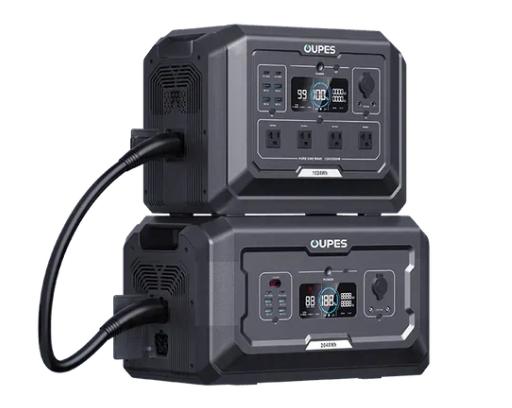
Portable solar systems — such as those developed by OUPES — use LiFePO₄ batteries for high efficiency, long life, and multiple output options, allowing families to power essential devices or small appliances sustainably.
These systems are especially valuable during power outages, outdoor trips, or high-rate periods under time-of-use electricity pricing.
9. Practice Smart Water Heating Habits
Water heating typically consumes 12–18% of household electricity. To save:
- Set your water heater temperature to 120°F (49°C).
- Use low-flow showerheads and faucet aerators.
- Turn off the heater when leaving home for extended periods.
Switching to an energy-efficient or solar-assisted water heater can further reduce costs.
10. Monitor and Adjust Your Energy Behavior
Awareness is key. Use a home energy monitor or smart meter data to track patterns. According to ENERGY STAR, households that actively monitor energy use can lower bills by 10–15%.
Consider storing low-cost nighttime electricity using a portable power station to power your home office or devices during daytime peaks — an example of personal-level energy arbitrage.
Energy Consumption Comparison Table
| Appliance | Typical Power (W) | Usage Time (hrs/day) | Monthly Energy Use (kWh) | Energy-Saving Alternative |
|---|---|---|---|---|
| Incandescent Light Bulb | 60 | 5 | 9 | LED Bulb (9W) – 1.35 kWh/month |
| Old Refrigerator | 150 | 24 | 108 | ENERGY STAR Model – 60 kWh/month |
| Window AC Unit | 1000 | 8 | 240 | High-Efficiency Inverter AC – 150 kWh/month |
| TV + Streaming Box | 120 | 6 | 21.6 | Smart TV (Auto Sleep Mode) – 10 kWh/month |
| Portable Power Station (Recharged by Solar) | Variable | – | 0 (if solar-charged) | Zero grid usage – renewable source |
FAQ
1. What’s the easiest way to lower my electricity bill?
Start by replacing all incandescent bulbs with LEDs, unplugging idle electronics, and adjusting thermostat settings by a few degrees.
2. Do portable power stations really help save on energy costs?
Yes. They can store off-peak or solar energy and supply it during high-cost hours, reducing overall grid electricity use.
3. How much can solar energy reduce household electricity expenses?
Depending on sunlight exposure and system size, solar systems can cut bills by 50–90%. Even portable solar generators can offset small appliance usage effectively.
4. How can I make my heating and cooling more efficient?
Seal leaks, upgrade insulation, clean HVAC filters monthly, and install a smart thermostat to optimize temperature control automatically.
5. What makes OUPES portable power stations useful for home savings?
OUPES systems use advanced LiFePO₄ batteries for safe, long-term energy storage and can be paired with solar panels, enabling families to generate and store clean power efficiently.