




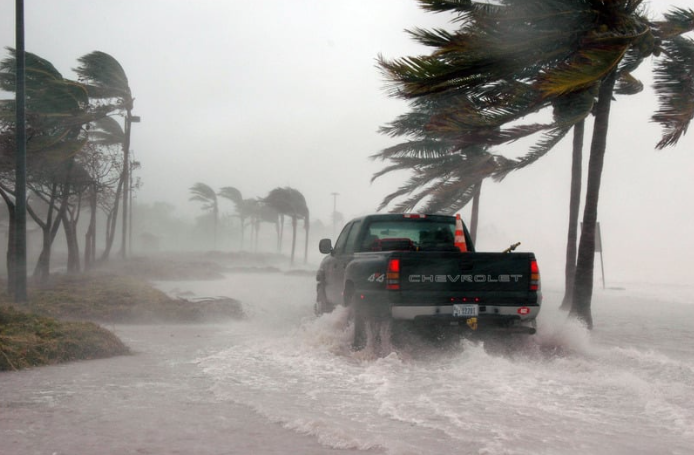
Tornadoes are among the most destructive natural disasters, capable of forming rapidly and causing severe damage within minutes. According to the National Oceanic and Atmospheric Administration (NOAA), the United States experiences over 1,000 tornadoes annually, making preparedness not just important—but essential.
This guide provides a practical, scenario-based approach to tornado preparedness, helping you protect your home, your family, and your power supply before, during, and after a tornado.
Table of Contents
- Why Tornado Preparedness Matters
- What to Do Before a Tornado
- What to Do During a Tornado
- What to Do After a Tornado
- Why Backup Power Is Critical
- Recommended Power Solutions
- Basic Tornado Emergency Kit
- FAQ
Why Tornado Preparedness Matters
Tornadoes often develop with little warning. The Ready.gov Tornado Guide emphasizes that early preparation significantly increases survival chances. Power outages, communication breakdowns, and blocked roads are common aftermaths.
In real scenarios, families face three major challenges:
- Immediate physical safety (finding shelter)
- Loss of electricity and communication
- Extended recovery without infrastructure support
This means preparedness is not only about shelter—but also about maintaining essential power and supplies.
What to Do Before a Tornado
1. Identify a Safe Shelter
Choose a location such as a basement or an interior room on the lowest floor, away from windows. Reinforce it with emergency supplies.
2. Monitor Weather Alerts
Install weather apps or NOAA radios to receive real-time alerts. Tornado warnings typically provide only minutes of lead time.
3. Prepare Backup Power
Power outages can last hours or days. Without electricity, communication devices, lighting, and medical equipment become unusable.
4. Plan Family Communication
Establish emergency contacts and meeting points in case family members are separated.
What to Do During a Tornado
- Go to your designated shelter immediately
- Protect your head with helmets, cushions, or blankets
- Avoid windows and large open spaces
- If outdoors, lie flat in a low-lying area and cover your head
According to the CDC, most tornado injuries result from flying debris—head protection is critical.
What to Do After a Tornado
1. Check for Injuries
Provide first aid and seek medical assistance if needed.
2. Avoid Hazards
Stay away from downed power lines, gas leaks, and unstable structures.
3. Use Backup Power Safely
Portable power stations allow you to maintain lighting, charge devices, and run essential appliances safely indoors.
Why Backup Power Is Critical in Tornado Scenarios
After a tornado, electricity is often unavailable. The U.S. Energy Information Administration notes that severe weather is a leading cause of power outages in the U.S.
Here’s what backup power enables:
| Device | Typical Power (W) | Importance |
|---|---|---|
| Smartphone | 10W | Communication |
| Medical Devices | 50-150W | Life support |
| Refrigerator | 150-300W | Food preservation |
| Lights | 5-20W | Safety & visibility |
Without power, recovery becomes significantly harder.
Recommended Power Solutions for Tornado Preparedness
1. OUPES Mega 2 Portable Power Station
The Mega 2 is ideal for home emergency backup, offering a balance between capacity and power.
| Specification | Details |
|---|---|
| Capacity | 2048Wh |
| Output | 2500W (Surge 5400W) |
| Best Use | Home backup, refrigerator, communication devices |
Scenario: During a 12-hour outage, Mega 2 can keep your fridge running while powering phones and lights.
2. OUPES Exodus 1200
Compact and portable, perfect for quick evacuation scenarios.
| Specification | Details |
|---|---|
| Capacity | 992Wh |
| Output | 1200W |
| Best Use | Emergency kits, mobile power |
Scenario: Grab-and-go power for charging devices, radios, and small appliances.
3. OUPES Mega 5 Portable Power Station
Designed for extended outages and whole-home backup scenarios.
| Specification | Details |
|---|---|
| Capacity | 5040Wh (Expandable) |
| Output | 4000W (Surge 7000W) |
| Best Use | Whole-home emergency backup |
Scenario: Power multiple appliances during multi-day outages after severe tornado damage.
Comparison Overview
| Model | Capacity | Output | Best Scenario |
|---|---|---|---|
| Mega 2 | 2048Wh | 2500W | Home backup |
| Exodus 1200 | 992Wh | 1200W | Portable emergency use |
| Mega 5 | 5040Wh | 4000W | Extended outages |
Basic Tornado Emergency Kit
A well-prepared emergency kit should include:
- Water (1 gallon per person per day)
- Non-perishable food (3-day supply)
- Flashlights and batteries
- First aid kit and medications
- Portable power station
- Phone chargers and backup communication devices
- Important documents (waterproof storage)
- Protective gear (helmets, gloves)
FAQ
1. How much warning do you get before a tornado?
Typically 10–15 minutes, sometimes less.
2. What is the safest place during a tornado?
A basement or interior room on the lowest floor, away from windows.
3. Can a portable power station run a refrigerator?
Yes, models like Mega 2 and Mega 5 can support most household refrigerators.
4. How long can backup power last?
Depends on capacity and usage. For example, a 2048Wh unit can power essential devices for several hours to over a day.
5. Is solar charging useful after a tornado?
Yes, especially when grid power is unavailable for extended periods.
6. What should I do if I am driving during a tornado?
Do not try to outrun it. Seek shelter immediately in a sturdy building.
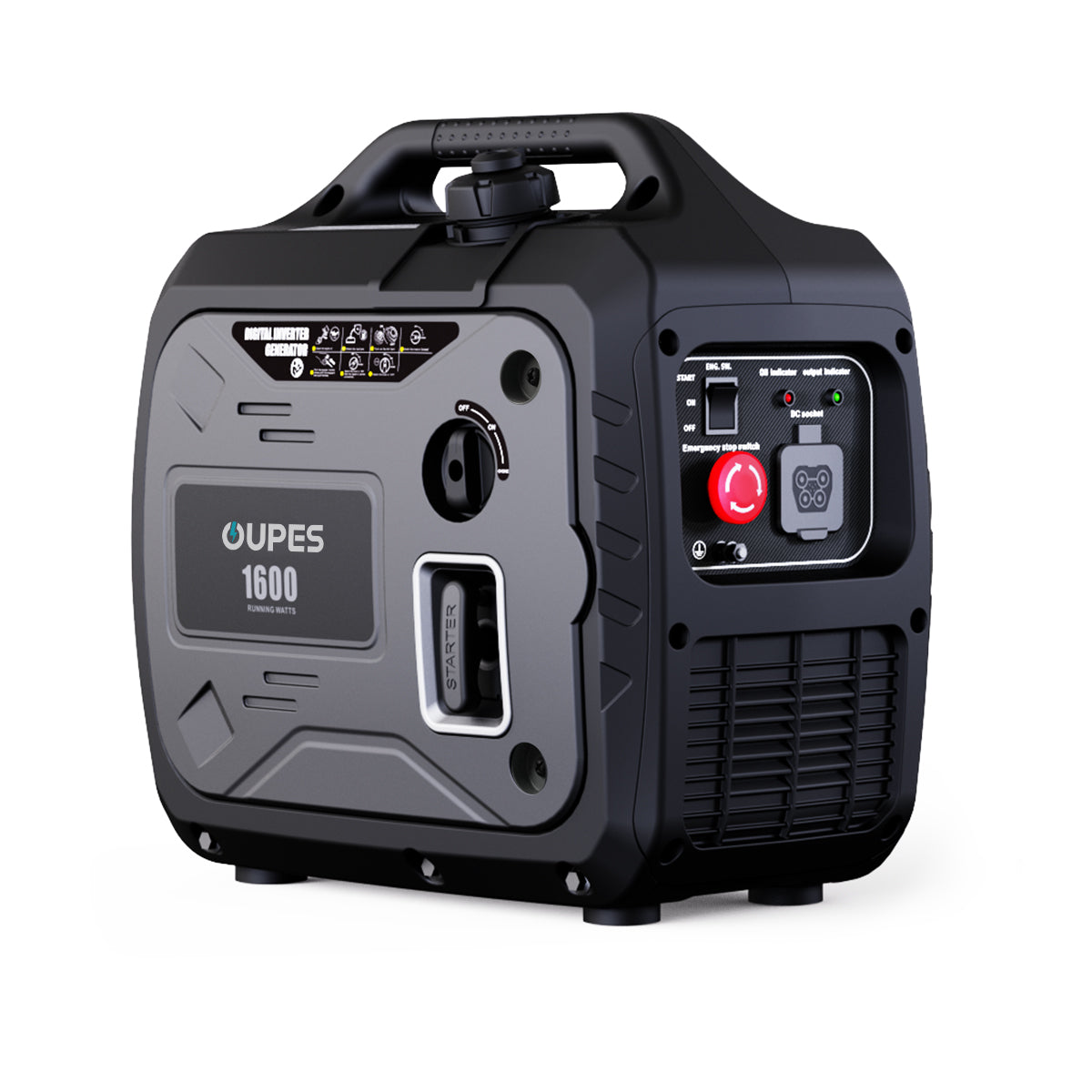
7. Do I need a generator or a power station?
Portable power stations are safer for indoor use and require no fuel.
8. How often should I update my emergency kit?
Check every 6 months to replace expired items and update supplies.