




Electric blankets are a popular solution for staying warm during cold nights. They’re quieter than space heaters, cheaper than heating an entire home, and often considered energy efficient. But many people still ask a practical, cost-driven question:
How much electricity does an electric blanket actually use if it runs overnight?
This article breaks the answer down in real-world terms. We’ll look at wattage, overnight energy use, cost per night, safety considerations, and how electric blankets fit into scenarios like winter power bills, time-of-use pricing, and backup power planning.
What Is an Electric Blanket and How Does It Work?
An electric blanket is a bedding product with integrated heating wires that warm the blanket using electricity. Unlike space heaters, it heats the person directly rather than the surrounding air.
How It Works
- Electric current flows through internal heating wires
- The wires gently warm the blanket
- A thermostat regulates temperature
This direct-heating approach is why electric blankets consume relatively little power.
Typical Electric Blanket Wattage
Electric blanket wattage varies by size and design, but most fall within a narrow range.
| Electric Blanket Size | Typical Wattage Range |
|---|---|
| Throw / Twin | 50–100W |
| Full / Queen | 100–150W |
| King | 150–200W |
Compared to most heating appliances, these wattage levels are very low.
How Much Electricity Does an Electric Blanket Use Overnight?
Electricity usage depends on three factors:
- Wattage
- Time in use
- Duty cycle (how often the heater turns on)
Basic Energy Formula
Energy (kWh) = Power (kW) × Time (hours)
Overnight Usage Examples
| Wattage | Overnight Duration | Energy Used |
|---|---|---|
| 75W | 8 hours | 0.6 kWh |
| 100W | 8 hours | 0.8 kWh |
| 150W | 8 hours | 1.2 kWh |
In practice, actual usage is often lower because the blanket cycles on and off once it reaches temperature.
How Much Does It Cost to Run an Electric Blanket Overnight?
Electricity cost depends on your local electricity rate.
Example Cost Calculation
If electricity costs $0.15 per kWh:
- 0.6 kWh × $0.15 ≈ $0.09 per night
- 0.8 kWh × $0.15 ≈ $0.12 per night
- 1.2 kWh × $0.15 ≈ $0.18 per night
Even when used every night, electric blankets typically cost only a few dollars per month.
Do Heat Settings Change Electricity Use?
Yes, but not as dramatically as many people expect.
How Settings Affect Consumption
- Higher settings heat faster
- Lower settings maintain temperature
- Thermostats reduce continuous draw
Over a full night, total energy use often differs only slightly between medium and low settings.
Electric Blanket vs Other Heating Options
| Heating Option | Typical Power Use | Overnight Energy Cost |
|---|---|---|
| Electric blanket | 50–150W | Very low |
| Space heater | 1000–1500W | High |
| Central heating | Whole-home system | Very high |
This comparison explains why electric blankets are often recommended for targeted warmth.
Why Electric Blankets Are Energy Efficient
Key Reasons
- They heat people, not rooms
- Low wattage operation
- Automatic temperature regulation
Energy efficiency comes from precision rather than raw heating power.
Electric Blankets and Night-Time Electricity Rates
In regions with time-of-use pricing, electricity is often cheaper at night.
Why This Matters
- Overnight usage often falls into off-peak hours
- Lower per-kWh rates reduce cost further
- Electric blankets align well with off-peak pricing
This makes overnight use even more economical.
Using an Electric Blanket During Power Outages
Electric blankets can play an important role during winter outages.
Why They’re Useful
- Lower power demand than space heaters
- Safe indoor operation
- Personal warmth without heating entire rooms
This makes them ideal for conserving backup power.
Can an Electric Blanket Run on Backup Power?
Yes. Electric blankets are among the easiest heating devices to run on battery-based power systems.
Example Runtime Estimate
A 100W electric blanket running on a 2000Wh battery could theoretically run for about 16–18 hours, accounting for losses and cycling.
This makes them far more practical than high-wattage heaters during outages.
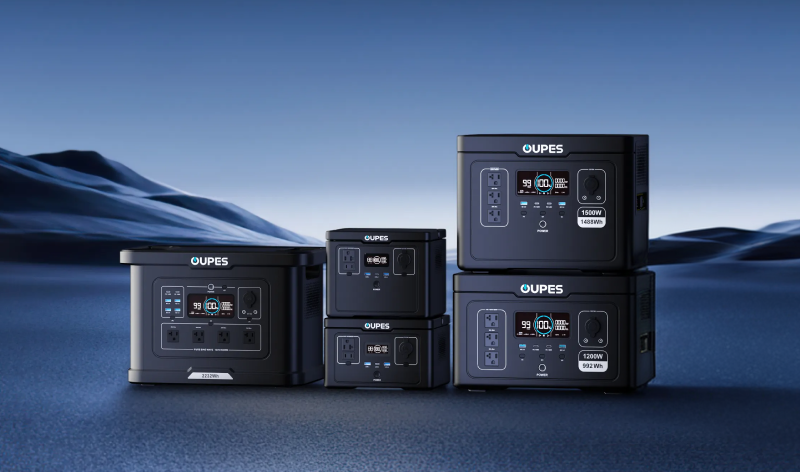
Using an Electric Blanket with OUPES Power Systems
OUPES power systems are well suited for low-wattage overnight loads like electric blankets.
Why the Combination Works
- Stable AC output
- High battery capacity
- Quiet, indoor-safe operation
| OUPES Model | Battery Capacity | Overnight Blanket Use |
|---|---|---|
| OUPES Mega 1 | 1024Wh | Single-night warmth |
| OUPES Mega 2 | 2048Wh | Multiple nights or added devices |
| OUPES Mega 3 | 3072Wh | Extended outage comfort |
| OUPES Mega 5 | 5040Wh | Whole-family overnight heating support |
This makes electric blankets a smart choice in winter backup-power planning.
Frequently Asked Questions
1. Is it safe to run an electric blanket overnight?
Modern blankets are designed with safety features, but always follow manufacturer guidelines.
2. Do electric blankets use a lot of electricity?
No, they use far less power than most heating devices.
3. Does size affect power use?
Yes, larger blankets typically use more wattage.
4. Is it cheaper than heating the whole room?
Almost always.
5. Can I use an electric blanket during a blackout?
Yes, with adequate backup power.
6. Does turning it off before sleep save energy?
Yes, preheating the bed reduces overnight usage.
7. Are electric blankets efficient in extreme cold?
They remain efficient for personal warmth.
8. What’s the biggest misconception?
That overnight use significantly increases electricity bills.