




Table of Contents
- TL;DR / Key Takeaways
- Introduction
- Preparing Before a Power Outage
- Feeding Your Infant Without Power
- Maintaining a Safe Temperature
- Ensuring Hygiene and Sanitation
- Keeping Your Home Safe and Well-Lit
- Using Portable Power Stations for Baby Care
- Emergency Medical Needs
- Comparison: Traditional Backup Options vs. Portable Power Stations
- Keeping Calm: Emotional Care for You and Your Baby
- FAQ
TL;DR / Key Takeaways
- Keep essentials like formula, bottled water, diapers, and wipes stocked before a storm.
- Use a portable solar generator to power critical baby devices safely and quietly.
- Maintain your infant’s body temperature by layering clothing and regulating the room environment.
- Prioritize sanitation — handwashing and sterilization are essential during outages.
- Stay calm and prepared; your baby senses your emotional state.
Introduction
Power outages can happen unexpectedly — during storms, grid failures, or natural disasters. For families with infants, these situations are particularly stressful. Babies rely on parents for warmth, feeding, and consistent care, all of which can be disrupted when the lights go out.
This guide provides expert-backed, practical advice on how to care for your infant safely and effectively during a power outage. It also highlights the importance of having reliable backup power sources, such as a portable solar generator from OUPES, to maintain essential baby care routines without compromising safety.
Preparing Before a Power Outage
1. Stock Up on Essentials
Preparation is your first line of defense. According to the Centers for Disease Control and Prevention (CDC), families with infants should keep at least a three-day supply of the following:
- Baby formula (ready-to-feed or powdered)
- Clean bottled water for mixing formula
- Diapers, wipes, and diaper rash cream
- Infant-safe medications and a thermometer
- Battery-powered or solar-powered fans
- Portable power source for bottle warmers and breast pumps
2. Create an Emergency Baby Kit
Your kit should include baby food, feeding bottles, extra pacifiers, blankets, and emergency contact numbers. Store it in an accessible place so you can grab it instantly during sudden outages or evacuations.
Feeding Your Infant Without Power
1. Feeding with Formula
If your baby relies on formula, it’s critical to maintain a clean and warm feeding routine. Ready-to-feed formula is the safest during outages since it requires no mixing or heating. If you must use powdered formula:
- Use bottled or previously boiled water that has cooled.
- Warm bottles using warm (not boiling) water from a thermos or portable heating source.
- Never use candles or open flames for heating bottles — it poses serious fire risks.
2. Breastfeeding During Outages
Breastfeeding offers a major advantage — it doesn’t rely on refrigeration or electricity. However, if you pump and store milk, use a portable power station to operate your breast pump safely. Keep milk cool in an insulated cooler with ice packs for up to 24 hours.
3. Storing Milk Safely
The U.S. Department of Health and Human Services (HHS) recommends that breast milk remains safe:
- For 4 hours at room temperature (up to 77°F / 25°C)
- For 24 hours in a cooler with ice packs
- For up to 4 days in a refrigerator (if still powered)
Using a portable solar generator can keep your small refrigerator or cooler powered, ensuring milk safety throughout the outage.
Maintaining a Safe Temperature
1. Keeping Baby Warm in Cold Weather
Infants cannot regulate their body temperature effectively. During winter power outages:
- Dress your baby in multiple layers (undershirt, sleeper, and blanket).
- Use hats and mittens to retain warmth.
- Co-sleep safely by keeping your baby in a separate sleep space near your bed to share warmth.
2. Preventing Overheating in Hot Weather
During summer outages:
- Keep the baby in a well-ventilated, shaded room.
- Use battery- or solar-powered fans.
- Give sponge baths with lukewarm water to cool the body.
According to the American Academy of Pediatrics (AAP), the ideal room temperature for infants is between 68°F and 72°F (20–22°C).
Ensuring Hygiene and Sanitation
1. Hand Hygiene
Clean hands are essential when handling your baby. If water is unavailable, use hand sanitizer with at least 60% alcohol content.
2. Diaper Care
Dispose of dirty diapers properly in sealed bags to prevent bacterial growth and odor. Keep extra wipes and hand soap for cleaning.
3. Sterilizing Bottles and Nipples
Boil water using a portable power station connected to an electric kettle or use sterilizing tablets if electricity isn’t available. This ensures feeding tools remain germ-free.
Keeping Your Home Safe and Well-Lit
Never rely on candles around infants — they pose a fire hazard. Instead, keep:
- Battery-powered LED lanterns
- Rechargeable lamps powered by portable generators
- Solar-powered nightlights
Soft lighting helps maintain your baby’s sleep rhythm and allows you to move around safely during the night.
Using Portable Power Stations for Baby Care
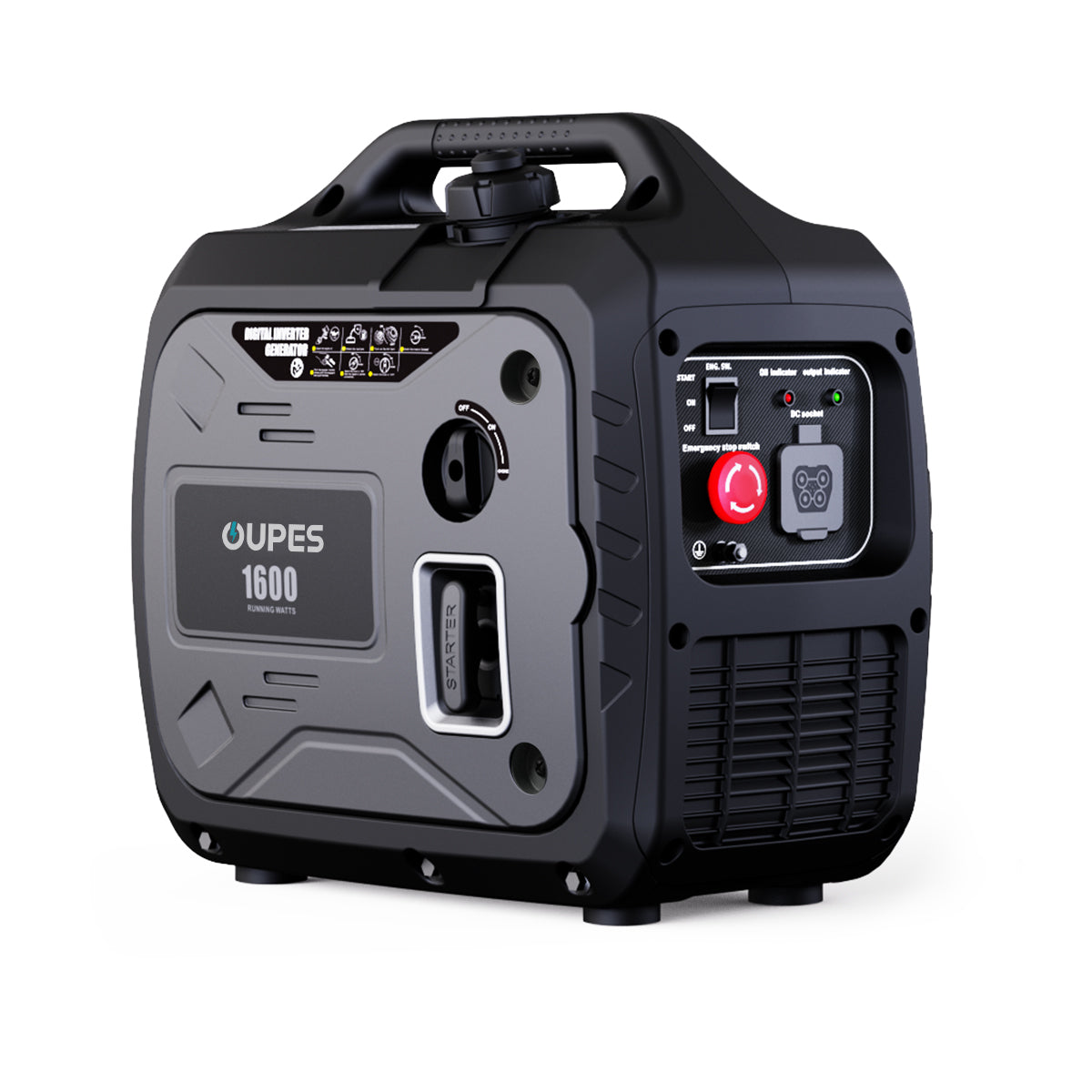
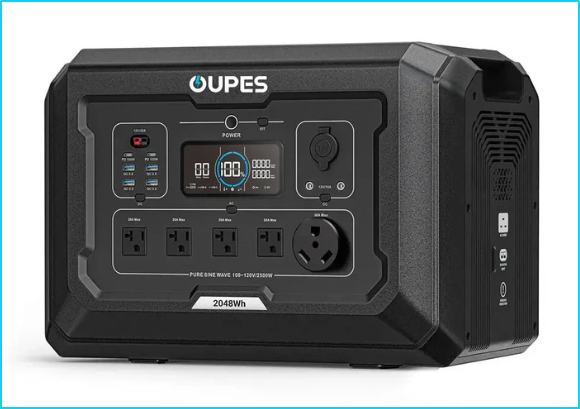
A portable solar generator or portable power station is one of the safest and most reliable solutions for baby care during a blackout. Unlike gas generators, they are quiet, emission-free, and can be safely used indoors.
Key Devices You Can Power
- Baby bottle warmers
- Breast pumps
- Small refrigerators for milk storage
- LED lights and fans
- Mobile phones and communication devices
Advantages of Portable Solar Generators
- Rechargeable via solar panels or wall outlets
- Safe for indoor use (no fumes)
- Low noise level (under 60 dB)
- Ideal for emergency preparedness kits
For instance, OUPES power stations use advanced LiFePO₄ battery technology with over 3,500 charge cycles, ensuring reliability during prolonged outages. They offer quiet operation, stable voltage, and multiple output ports for various baby devices.
Comparison: Traditional Backup Options vs. Portable Power Stations
| Feature | Gas Generator | Portable Solar Generator |
|---|---|---|
| Safety Indoors | Unsafe – produces toxic fumes | Safe – zero emissions |
| Noise Level | Very Loud (80–100 dB) | Quiet (under 60 dB) |
| Fuel Requirement | Gasoline or diesel | Rechargeable via solar or grid power |
| Maintenance | Regular oil and filter changes | Minimal maintenance |
| Suitability for Baby Devices | Not recommended | Ideal for small, sensitive electronics |
Emergency Medical Needs
If your baby relies on medical equipment (e.g., oxygen concentrators or monitors), ensure you have a backup power source tested and ready. Keep contact information for pediatricians and local emergency services accessible.
You can also register with your local utility provider as a “priority service customer” to receive faster restoration during outages if you have critical medical needs at home.
Keeping Calm: Emotional Care for You and Your Baby
Infants are sensitive to stress. Try to maintain normalcy with familiar routines — soft music, gentle talking, and cuddling help them stay calm. A charged portable power station can even run white noise machines or nightlights to comfort your baby and help them sleep.
Remember: your calm presence reassures your infant more than anything else during uncertainty.
FAQ
1. Can I safely use a generator indoors for baby care?
Traditional fuel-powered generators should never be used indoors. Portable solar generators, however, are completely safe and emission-free for indoor use.
2. How can I keep breast milk cool during a long outage?
Use insulated coolers with ice packs or plug a mini fridge into a portable power station to maintain safe temperatures for up to 24 hours.
3. What should I do if my baby gets too hot or cold?
Monitor your baby’s body temperature. If overheated, remove extra layers and use fans. If cold, add layers and warm blankets. Always aim for 68–72°F (20–22°C).
4. How can a portable solar generator help during an outage?
It can power breast pumps, fans, bottle warmers, lights, and even small refrigerators — essential for maintaining your baby’s routine and comfort.
5. Why is OUPES mentioned in this article?
OUPES produces reliable, quiet, and safe portable power stations ideal for families seeking dependable backup energy solutions during emergencies.