




Table of Contents
- TL;DR / Key Takeaways
- Understanding Power Outages and Their Risks
- Before a Power Outage: Prepare Early
- During a Power Outage: Stay Safe and Informed
- After the Power Outage: Recovery and Prevention
- Portable Power Solutions During Outages
- Comparison: Portable Power Options
- FAQ
TL;DR / Key Takeaways
- Always prepare emergency kits with water, food, flashlights, and communication devices before a blackout (Ready.gov).
- Portable power stations and solar generators provide safe, silent, and reliable power for essential devices during outages.
- Prevent carbon monoxide poisoning by avoiding indoor generator use—choose battery or solar-powered alternatives instead (CDC.gov).
- Keep refrigerators closed and monitor food temperatures to prevent foodborne illness (FDA.gov).
- Invest in renewable, backup energy systems such as OUPES portable solar power stations for home safety and energy resilience.
Understanding Power Outages and Their Risks
Power outages can happen due to storms, grid overloads, or natural disasters. The U.S. Energy Information Administration (EIA) reported that the average American household experienced over 7 hours of power interruptions in 2022 — a significant increase compared to past years.
Beyond inconvenience, outages can threaten safety. Risks include:
- Health hazards from loss of heating or air conditioning
- Food spoilage due to refrigeration failure
- Medical equipment downtime for people with health conditions
- Fire or CO poisoning from improper generator use
Preparedness is therefore key to protecting your family and home.
Before a Power Outage: Prepare Early
1. Create an Emergency Power Plan
Every household should have a backup energy plan. Identify critical devices that require power — such as medical equipment, communication devices, and lighting. Create a checklist of:
- Essential power needs (CPAP, phones, WiFi routers, small heaters)
- Backup options (portable solar generator, power station, car charging)
- Emergency contacts and evacuation routes
2. Build an Emergency Supply Kit
The U.S. Department of Homeland Security recommends stocking at least 72 hours of supplies:
- Water: 1 gallon per person per day
- Non-perishable food items
- Battery-powered or solar-powered flashlights
- First-aid kit and personal medications
- Portable power station or solar panels for essential electronics
3. Safeguard Important Electronics
Use surge protectors for critical electronics. Power surges often accompany outages and can damage appliances. Unplug non-essential devices before storms or grid disruptions.
During a Power Outage: Stay Safe and Informed
1. Use Safe Power Sources
Traditional gas generators produce carbon monoxide — a colorless, odorless gas responsible for over 400 U.S. deaths annually (CDC.gov). For safety:
- Never use gas generators indoors or in enclosed spaces.
- Use portable power stations or solar generators instead; they emit no fumes and are safe for indoor use.
- Recharge them using solar panels during daytime or car ports when available.
2. Keep Communication Lines Open
Stay updated with local weather and emergency broadcasts using battery or solar-powered radios. Charge phones and Wi-Fi routers through portable power units.
3. Preserve Food and Water
The FDA recommends keeping refrigerator doors closed — food remains safe for about 4 hours, while freezers can hold temperature for 48 hours if unopened. Discard perishable food exposed to temperatures above 40°F for more than two hours.
4. Maintain Warmth and Ventilation
Layer clothing, use blankets, and close off unused rooms to retain heat. Avoid using open flames or charcoal indoors — these can cause fires or CO buildup.
After the Power Outage: Recovery and Prevention
1. Inspect Appliances Before Reconnecting
Check for visible damage to wires or outlets before turning devices back on. Reconnect major appliances one at a time to prevent electrical overloads.
2. Replenish Supplies and Recharge Devices
Restock your emergency kit and ensure your power station or solar batteries are recharged for future use. Preventive maintenance reduces vulnerability during future outages.
3. Evaluate Long-Term Backup Solutions
Consider installing a permanent or modular home energy storage system to minimize dependence on the grid. Portable systems like those from OUPES can expand capacity or serve as mobile emergency power sources.
Portable Power Solutions During Outages
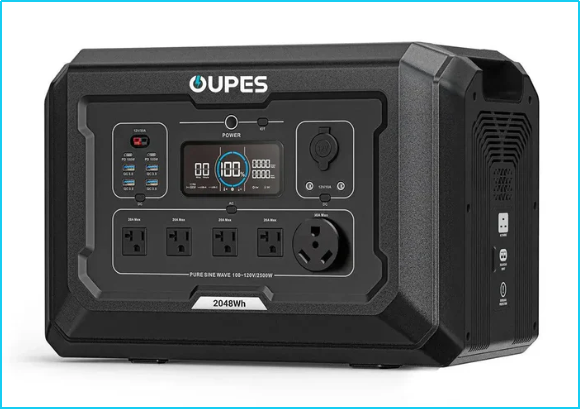
Portable power stations and solar generators offer clean, quiet, and flexible power for homes during outages. They can support devices ranging from phones to refrigerators.
Battery-based systems, especially those using LiFePO₄ chemistry, are known for their stability, long life cycles (>3500 cycles), and safety — ideal for family preparedness.
Unlike gas generators, solar power systems can recharge independently, making them sustainable for prolonged outages.
Comparison: Portable Power Options
| Feature | Gas Generator | Portable Power Station / Solar Generator |
|---|---|---|
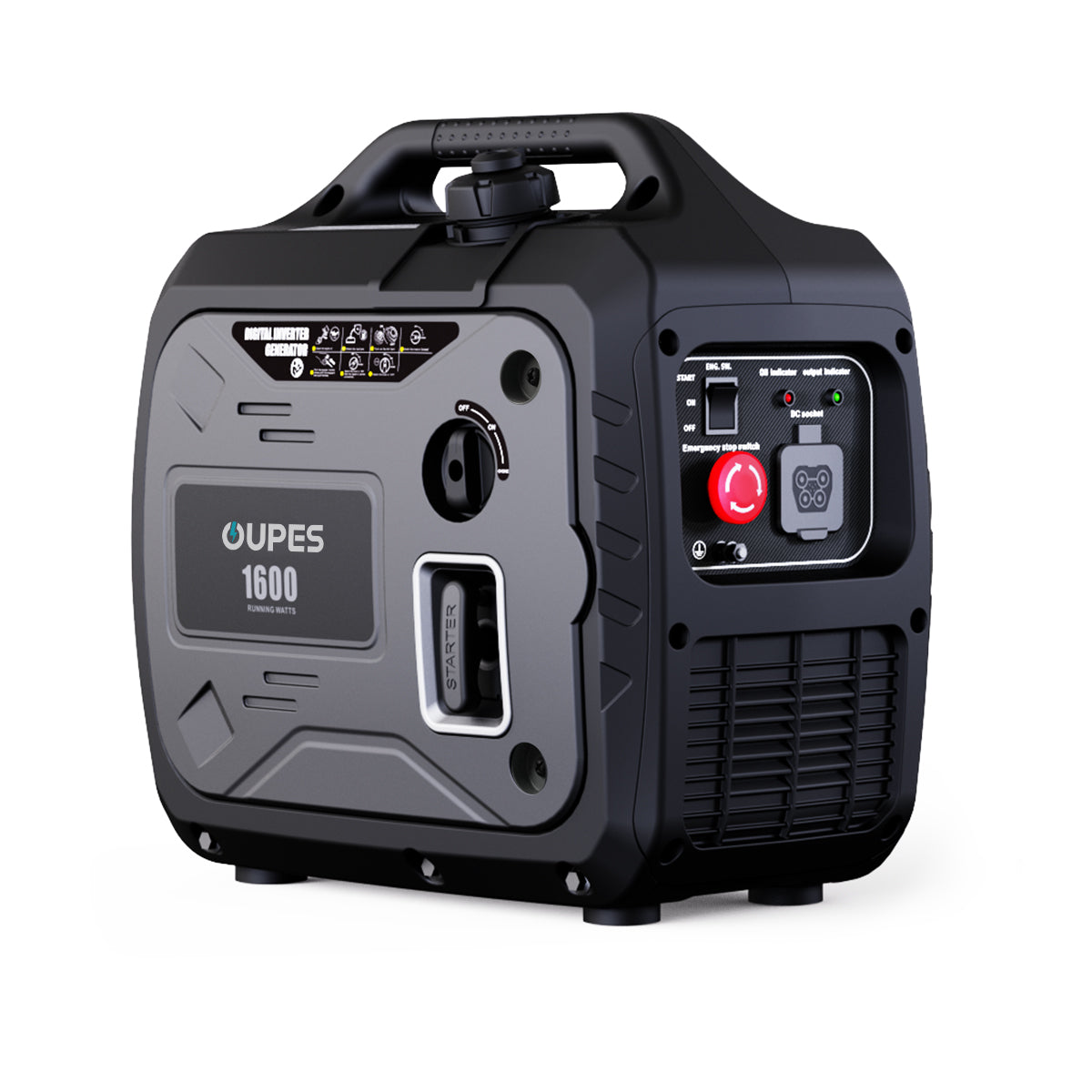
| Power Output | 1000–7000W | 500–4000W (expandable with batteries) |
| Fuel Type | Gasoline / Propane | Electric (Rechargeable Battery + Solar) |
| Noise Level | 70–90 dB | Under 50 dB (Silent) |
| Indoor Use | Unsafe – emits CO gas | Safe – no emissions |
| Maintenance | Regular fuel, oil, and filter changes | Minimal – recharge and store properly |
| Cost (Initial) | Lower upfront | Higher upfront but zero fuel cost |
| Environmental Impact | High emissions | Zero emissions (solar compatible) |
FAQ
1. How long can a portable power station run my appliances?
It depends on capacity and load. For example, a 2000Wh power station can run a 100W light for 20 hours or a 500W refrigerator for about 3–4 hours.
2. Can I use my power station indoors?
Yes. Unlike gas generators, battery-based stations are safe for indoor use as they produce no carbon monoxide.
3. Should I rely on candles during outages?
Avoid using open flames. Battery or solar-powered LED lamps are safer alternatives and last much longer.
4. How can I prepare my family for extended blackouts?
Create a household emergency plan, keep backup power (like OUPES solar generators), stock food and water, and ensure access to emergency communication devices.
5. What makes OUPES power stations suitable for home safety?
OUPES units use long-life LiFePO₄ batteries, provide high-capacity outputs for major appliances, and integrate with solar panels for renewable charging — ideal for emergency power during outages.