




A snow squall is one of the most underestimated winter weather threats. It doesn’t last long, it doesn’t always bring heavy accumulation, and it often arrives without much warning. Yet snow squalls are responsible for some of the most dangerous winter driving conditions and sudden power disruptions.
This guide explains what a snow squall really is, why it’s so dangerous, how it affects your home and power supply, and why having backup power ready can make a critical difference for safety and comfort.
What Is a Snow Squall?
A snow squall is a short-lived but intense burst of heavy snowfall accompanied by strong winds and sudden drops in visibility. Unlike prolonged winter storms, snow squalls often last only 15–60 minutes—but their impact can be immediate and severe.
Key Characteristics of a Snow Squall
- Sudden onset with little warning
- Intense snowfall in a short time
- Near-zero visibility (“whiteout” conditions)
- Rapid temperature drops and icy road surfaces
Because snow squalls move quickly, many people are caught off guard while driving, working, or commuting.
Why Snow Squalls Are So Dangerous
Snow squalls are dangerous not because of how long they last—but because of how fast they change conditions.
Sudden Visibility Loss
Visibility can drop from clear skies to near zero in seconds. Drivers often have no time to slow down safely.
Flash Ice Formation
Cold air rushing in behind a squall can instantly freeze moisture on roads, creating invisible black ice.
Limited Reaction Time
- Drivers cannot see stopped traffic ahead
- Emergency response is delayed
- Chain-reaction accidents are common
Snow squalls regularly cause multi-vehicle pileups on highways—even when total snowfall is minimal.
Snow Squall vs Snowstorm: What’s the Difference?
Snow squalls are often confused with snowstorms, but they behave very differently.
| Feature | Snow Squall | Snowstorm |
|---|---|---|
| Duration | Minutes to 1 hour | Several hours to days |
| Onset | Sudden | Gradual |
| Visibility | Near zero | Reduced but consistent |
| Travel Risk | Extremely high | High but predictable |
| Power Impact | Short-term disruptions | Extended outages possible |
Snow squalls are especially dangerous because people don’t expect them to escalate so quickly.
Real-World Impacts of Snow Squalls
Transportation Disruptions
Highways may shut down temporarily due to accidents or whiteout conditions. Even brief closures can strand drivers.
Power Interruptions
Strong winds and rapid temperature drops can stress local power infrastructure, leading to brief but disruptive outages.
Home Safety Risks
- Loss of lighting during critical moments
- Heating system interruptions
- Communication loss during emergencies
Even short outages during extreme cold can reduce indoor temperatures faster than expected.
How Should You Respond to a Snow Squall?
If You’re Driving
- Slow down immediately
- Turn on headlights
- Avoid sudden braking
- Exit the roadway if conditions become unsafe
If You’re at Home
Snow squalls can cause sudden outages. Be ready to switch to emergency lighting and backup power immediately.
If You’re at Work or School
Stay put if advised. Waiting out a snow squall is often safer than traveling.
Do Snow Squalls Cause Power Outages?
Snow squalls usually cause short outages rather than prolonged blackouts—but timing is critical.
Why Even Short Outages Matter
- Loss of lighting during whiteout conditions
- Heating system interruptions
- Communication disruptions
In freezing temperatures, even a one-hour outage can cause indoor temperatures to drop quickly.
Why Backup Power Matters During Snow Squalls
Snow squalls don’t give you time to prepare after they start. Backup power must already be ready.
What Backup Power Protects During a Snow Squall
- Lighting for safety and visibility
- Heating system controls
- Internet and emergency communication
- Refrigeration and essential devices
Why Portable Power Stations Are Ideal
- Instant power with no setup
- Safe indoor operation
- No reliance on fuel or ventilation
Choosing an OUPES Power Station for Snow Squall Preparedness
Snow squalls demand fast, reliable power rather than long-term capacity. The right system keeps essentials running during sudden disruptions.
| Model | Battery Capacity | Output Power | Snow Squall Use Case | Typical Coverage* |
|---|---|---|---|---|
| OUPES Mega 1 | 1024Wh | 2000W | Lighting and communication | Several hours |
| OUPES Mega 2 | 2048Wh | 2500W | Heating controls + essentials | Overnight support |
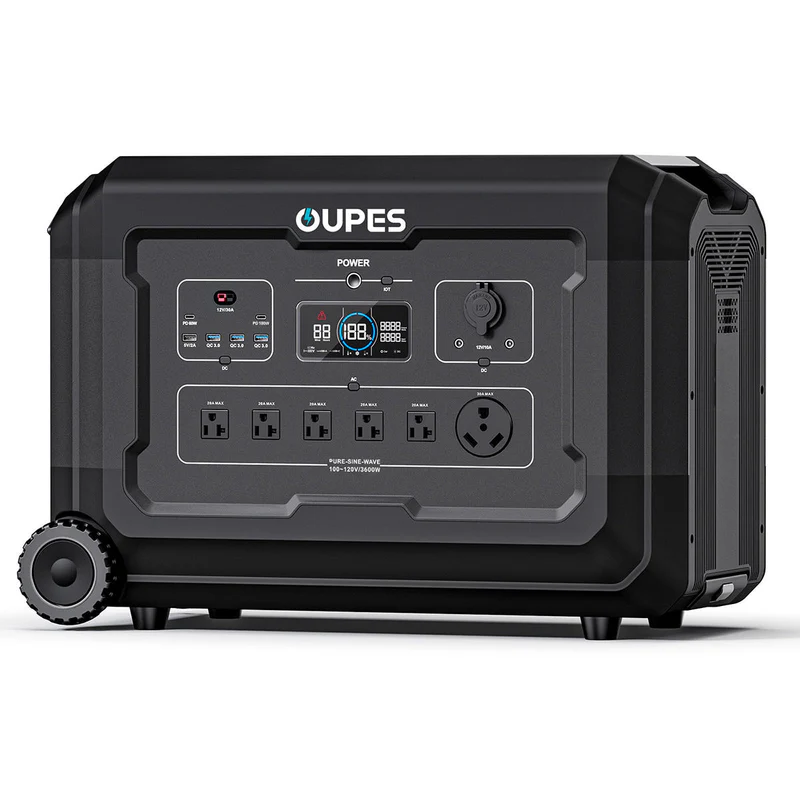
| OUPES Mega 3 | 3072Wh | 3600W | High-risk winter regions | 1–2 days |
| OUPES Mega 5 | 5040Wh | 4000W | Frequent winter disruptions | Multi-day resilience |
*Coverage varies based on temperature, load, and usage.
Preparation Tips for Snow Squall Regions
- Keep your power station fully charged in winter
- Test essential loads in advance
- Store the unit indoors at room temperature
What to Do After a Snow Squall Passes
Check Conditions Carefully
Roads may remain icy even after snowfall stops.
Inspect Power and Heating Systems
- Confirm grid power stability
- Recharge backup systems
- Check indoor temperatures
Review Readiness
Snow squalls are warning signs. Use the experience to improve winter preparedness.
Frequently Asked Questions
1. Are snow squalls worse than snowstorms?
They can be more dangerous due to sudden visibility loss.
2. How much warning do snow squalls give?
Often very little—sometimes only minutes.
3. Can snow squalls cause accidents?
Yes. They are a leading cause of winter highway pileups.
4. Do snow squalls usually cause power outages?
They can cause brief but disruptive outages.
5. Is backup power necessary for short outages?
Yes, especially in freezing temperatures.
6. Can a portable power station be used indoors?
Yes. Battery-based systems are safe for indoor use.
7. Should I drive during a snow squall?
No, if it can be avoided.
8. What is the biggest snow squall mistake?
Underestimating how fast conditions change.