




A freeze warning outage is one of the most dangerous winter scenarios for a household. When freezing temperatures combine with a power outage, homes can lose heat rapidly, pipes can freeze and burst, and families may be left without lighting, communication, or safe indoor conditions.
This survival guide is designed to help you protect your family step by step. From understanding the risks to managing heat, power, food, and safety, this article walks you through exactly what to do before, during, and after a freeze warning outage.
What Is a Freeze Warning Outage?
A freeze warning outage occurs when temperatures drop below freezing for extended periods and the power grid fails or becomes unstable. Without electricity, most modern homes lose their primary source of heat, lighting, and communication.
Typical Conditions During a Freeze Warning Outage
- Temperatures at or below 32°F (0°C)
- Power outages lasting hours or days
- Limited road access and delayed emergency services
- High risk of frozen pipes and indoor temperature drops
This combination of cold and power loss is what turns a weather warning into a true survival scenario.
Why Freeze Warning Outages Are So Dangerous
Cold alone is uncomfortable. Power loss alone is inconvenient. Together, they can become life-threatening—especially in poorly insulated homes.
Key Risks During a Freeze Outage
- Rapid loss of indoor heat
- Frozen or burst water pipes
- Food spoilage or freezing
- Loss of communication and emergency access
Indoor temperatures can fall below safe levels within hours, particularly overnight.
Who Is Most at Risk During a Freeze Outage?
High-Risk Groups
- Infants and young children
- Elderly family members
- People with chronic illnesses
- Homes relying entirely on electric heating
Pets and Livestock
Animals are also vulnerable to cold exposure and need access to warmth and water.
Protecting your family means planning for the most vulnerable members first.
How to Prepare Before a Freeze Warning Outage
Insulate and Secure Your Home
- Seal drafts around doors and windows
- Insulate exposed pipes and crawl spaces
- Close off unused rooms to conserve heat
Build a Freeze Emergency Kit
- Warm blankets and sleeping bags
- Non-perishable food and drinking water
- Flashlights and battery-powered lights
- Extra clothing, hats, and gloves
Prepare Backup Power
Assume that the power may go out. A prepared household has a plan for maintaining heat, light, and communication.
What to Do During a Freeze Warning Power Outage
Create a Warm Safe Zone
Choose one room as your family’s primary shelter. Close doors, block drafts, and concentrate heat retention in that space.
Dress for Survival Indoors
- Wear layered clothing
- Use hats and socks even indoors
- Share body heat when possible
Protect Your Plumbing
- Let faucets drip slowly
- Open cabinets under sinks
- Never turn heat completely off
Stay Informed
Keep at least one device powered to receive weather updates and emergency instructions.
Managing Heat and Power Safely
During a freeze outage, how you use power matters as much as having it.
Prioritize Essential Loads
- Heating system controls or fans
- Space heaters (used intermittently)
- Lighting and communication devices
- Medical equipment
Use Power Conservatively
Short, strategic use of heating devices helps maintain safe temperatures while extending backup runtime.
How a Portable Power Station Protects Your Family
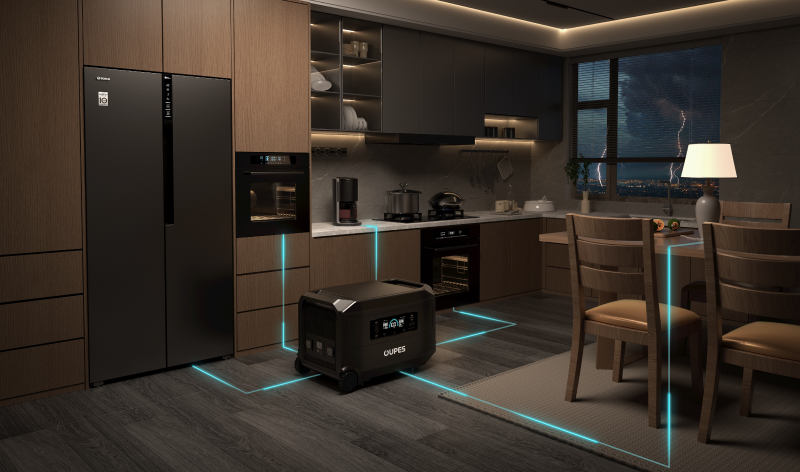
A portable power station provides clean, quiet electricity indoors during freeze outages—without fuel, fumes, or complex setup.
Why Portable Power Is Critical in Freeze Scenarios
- Safe indoor operation
- Instant power during outages
- No reliance on fuel deliveries
Family Protection Use Cases
- Keeping heating systems functional
- Running small heaters safely
- Maintaining lighting overnight
- Charging phones and emergency devices
Choosing the Right OUPES Power Station for Freeze Outages
The severity and duration of freeze outages vary. Choosing the right power station ensures your family stays warm and safe.
| Model | Battery Capacity | Output Power | Family Protection Scenario | Estimated Runtime* |
|---|---|---|---|---|
| OUPES Mega 1 | 1024Wh | 2000W | Short outages, essential warmth | 8–12 hours |
| OUPES Mega 2 | 2048Wh | 2500W | Overnight freeze protection | 1–2 days |
| OUPES Mega 3 | 3072Wh | 3600W | Multi-day family safety | 2–3 days |
| OUPES Mega 5 | 5040Wh | 4000W | Extended freeze resilience | 3–5 days+ |
*Runtime varies based on temperature, load, and usage habits.
How to Choose for Your Family
- Plan for at least 48–72 hours without power
- Account for heating-related loads
- Choose expandable capacity for repeated freeze events
What to Do After Power Is Restored
Inspect for Damage
- Check pipes for leaks or cracks
- Inspect heating systems
- Ensure vents and exhausts are clear
Recharge and Restock
Recharge your power station immediately and replace any emergency supplies used.
Improve Future Preparedness
Every freeze outage is a lesson. Adjust your plan based on what worked and what didn’t.
Frequently Asked Questions
1. How quickly can a house lose heat during a freeze outage?
Indoor temperatures can drop to unsafe levels within a few hours.
2. Is it safe to use a portable power station indoors?
Yes. Battery-based power stations produce no emissions.
3. Can a power station prevent frozen pipes?
Yes, by supporting heating systems and maintaining minimum indoor heat.
4. How long should families prepare to be without power?
At least 48–72 hours during severe freeze events.
5. Should I use candles for heat?
No. Candles increase fire risk and provide minimal warmth.
6. Can children safely stay indoors during a freeze outage?
Yes, if adequate heat, lighting, and supervision are maintained.
7. Are freeze outages becoming more common?
Extreme winter weather events are occurring more frequently.
8. What is the biggest mistake during a freeze outage?
Waiting too long to conserve heat and power.