




A freeze warning is more than just a temperature alert—it’s a signal that your home, utilities, and personal safety may soon be at risk. When temperatures drop below freezing for extended periods, heating systems work overtime, power grids become fragile, and even short outages can lead to frozen pipes, unsafe indoor conditions, and costly damage.
This guide explains what a freeze warning really means, what typically goes wrong when temperatures plunge, and how a portable power station can help keep your home warm, safe, and functional when the grid is under stress.
What Is a Freeze Warning?
A freeze warning is issued when temperatures are expected to drop to or below freezing (32°F / 0°C) for several hours or longer. Unlike a brief cold snap, a freeze warning signals conditions cold enough to damage plumbing, disrupt heating systems, and strain power infrastructure.
Typical Conditions During a Freeze Warning
- Overnight or multi-day sub-freezing temperatures
- Increased heating demand across neighborhoods
- Higher risk of power grid overload
- Frozen pipes and water supply issues
Freeze warnings often arrive alongside winter storms—but they can also occur on clear, calm nights, catching households off guard.
Why Freeze Warnings Are More Dangerous Than They Sound
Many people associate freeze warnings with inconvenience rather than danger. In reality, freezing temperatures can quickly turn small issues into major emergencies.
Why Freezing Temperatures Escalate Risks
- Heating systems rely on electricity to function
- Pipes can burst in just a few hours without heat
- Power outages compound cold exposure indoors
The combination of cold weather and power loss is one of the most dangerous winter scenarios for homes.
Common Problems During a Freeze Warning
1. Power Outages
As heating demand surges, the power grid becomes more vulnerable. Even minor outages can quickly lower indoor temperatures.
2. Loss of Heat
Furnaces, boilers, and heat pumps often require electricity for controls, fans, or ignition systems.
3. Frozen and Burst Pipes
Without heat, water inside pipes freezes and expands, leading to leaks or catastrophic bursts.
4. Unsafe Indoor Temperatures
Extended cold indoors increases the risk of hypothermia, especially for children, seniors, and pets.
How to Prepare Before a Freeze Warning
Seal and Insulate Your Home
- Seal drafts around windows and doors
- Insulate exposed pipes
- Close unused rooms to conserve heat
Stock Cold-Weather Essentials
- Warm blankets and winter clothing
- Non-perishable food and water
- Flashlights and emergency lighting
Plan for Power Interruptions
Freeze warnings often precede outages. Preparing backup power before temperatures drop makes a critical difference.
What to Do When the Freeze Warning Hits
Conserve Heat Immediately
- Keep doors and windows closed
- Use layered clothing instead of increasing heating load
- Block drafts with towels or blankets
Protect Plumbing
- Let faucets drip slightly
- Open cabinet doors under sinks
- Maintain minimal indoor heat at all times
Limit Travel
Cold temperatures and potential ice increase accident risk and delay emergency services.
Power Outages and Home Heating Risks
When a freeze warning coincides with a power outage, indoor temperatures can drop rapidly.
Why Heating Depends on Electricity
- Thermostats and control boards need power
- Fans and circulation pumps stop during outages
- Safety systems prevent operation without electricity
Critical Devices to Support
- Heating system controls
- Space heaters (within safe limits)
- Refrigerator to prevent food freezing or spoilage
- Communication devices
How a Portable Power Station Helps During a Freeze
A portable power station provides quiet, clean backup electricity when the grid fails—without fuel, fumes, or outdoor setup.
Why Portable Power Is Ideal for Freeze Warnings
- Safe for indoor use
- Instant power during outages
- No reliance on fuel delivery
Freeze-Specific Use Scenarios
- Keeping heating systems operational
- Running small electric heaters intermittently
- Preventing pipes from freezing
- Maintaining lighting and communication
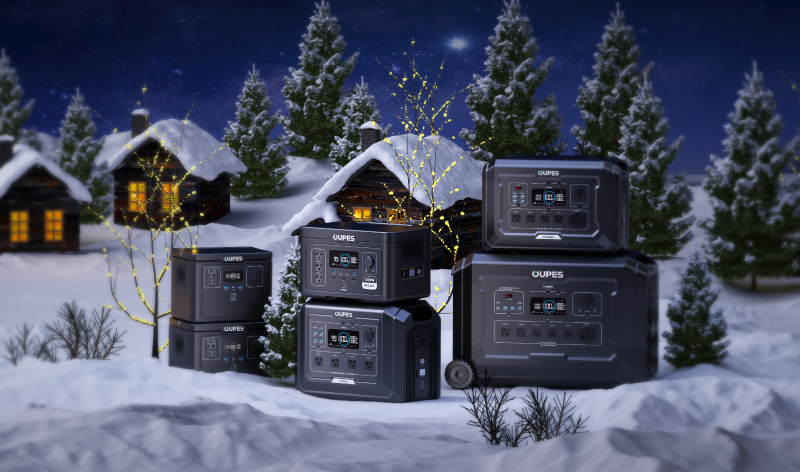
Choosing the Right OUPES Power Station for Freeze Protection
The right power station depends on how long you expect freezing conditions to last and how much heat support you need.
| Model | Battery Capacity | Output Power | Best Freeze Warning Use Case | Estimated Backup Duration* |
|---|---|---|---|---|
| OUPES Mega 1 | 1024Wh | 2000W | Short outages, heating controls | 8–12 hours |
| OUPES Mega 2 | 2048Wh | 2500W | Overnight freeze protection | 1–2 days |
| OUPES Mega 3 | 3072Wh | 3600W | Multi-day freeze events | 2–3 days |
| OUPES Mega 5 | 5040Wh | 4000W | Extended cold and outage resilience | 3–5 days+ |
*Actual duration depends on temperature, load, and usage habits.
Key Selection Tips for Freezing Weather
- Plan for at least 24–48 hours of backup
- Prioritize heating-related loads
- Choose expandable capacity if freezes are frequent
What to Do After the Freeze Warning Ends
Inspect for Damage
- Check pipes for leaks
- Inspect heating systems
- Ensure vents and exhausts are clear
Recharge and Reset
Recharge your power station immediately and restock any emergency supplies used.
Improve Future Readiness
Use this experience to adjust your cold-weather preparedness plan.
Frequently Asked Questions
1. Is a freeze warning more serious than a cold advisory?
Yes. Freeze warnings indicate temperatures cold enough to cause damage.
2. Can pipes freeze even if I’m home?
Yes, especially in poorly insulated areas without adequate heat.
3. Are power outages common during freeze warnings?
They become more likely due to high heating demand.
4. Can a portable power station keep my house warm?
It can support heating systems and space heaters within safe limits.
5. Should I leave faucets dripping?
Yes, to reduce pressure buildup in pipes.
6. Is it safe to use a power station indoors?
Yes. Battery-based power stations produce no emissions.
7. How long should I prepare to be without power?
At least 24–72 hours during severe freeze events.
8. What is the biggest freeze warning mistake?
Assuming the power will stay on.