




Table of Contents
- TL;DR / Key Takeaways
- Overview of Battery Energy Storage Incentives
- Federal Incentives in the U.S.
- State & Utility-Level Incentives
- How These Incentives Apply to Home Battery or Portable Generator Use
- Incentive Comparison Table
- Example: OUPES Power Stations and Incentive Eligibility
- FAQ
TL;DR / Key Takeaways
- Major federal incentive: residential battery storage qualifies for the 30% clean energy tax credit.
- Many states and utilities provide additional rebates or performance-based incentives for storage systems.
- These incentives reduce upfront cost and improve return on investment for home battery or portable solar generator setups; eligibility varies by size, location and installation details.
Overview of Battery Energy Storage Incentives
Battery energy storage systems (BESS), including home battery backups and portable power stations, are increasingly supported through financial incentives. These incentives are designed to encourage deployment of energy storage to enhance grid stability, support renewable integration, and improve resilience.
Incentives for storage systems generally fall into several categories:
- Tax credits or deductions – reduce income tax liability based on system cost.
- Upfront rebates or grants – cash-back or cost reduction when installed.
- Performance-based payments – compensation for services like peak load reduction or grid support.
Federal Incentives in the U.S.
Residential Clean Energy Credit
The federal Residential Clean Energy Credit allows homeowners to claim a tax credit equal to **30%** of the cost of qualifying equipment installed through 2032. Battery storage systems placed in service in 2023 or later qualify—even if they are not paired with solar panels.
For example, if you install a home battery system costing \$10,000 (equipment + installation), you may reduce your federal income tax owed by \$3,000 via this credit.
Commercial or Larger-Scale Projects
For larger or commercial storage installations the rules differ (e.g., the Investment Tax Credit (ITC) may apply). For projects under certain size thresholds, the 30% rate applies; some projects may qualify for additional bonus credits if they meet domestic content or wage/apprenticeship requirements.
State & Utility-Level Incentives
Beyond federal incentives, many U.S. states and utilities offer additional support for battery storage systems—especially for residential and behind-the-meter applications. Examples include:
- Rebates for battery systems: Some states offer \$/kWh or \$/kW rebates to homeowners installing battery storage.
- Performance-based programs: Programs allow homeowners to earn ongoing payments for discharging their batteries during peak demand events. For example, a utility in Massachusetts offers about \$1,500/year for participants.
- Stacking incentives: In states like California, utility rebate programs can be layered with federal tax credits and state grants to significantly reduce net cost.
How These Incentives Apply to Home Battery or Portable Generator Use
If you’re considering a home battery backup system or a portable power station (such as a solar generator) for emergencies, resilience or off-grid living, here’s how incentives affect your decision:
1. Equipment must qualify
The battery system must be new, installed at your residence, and meet certain capacity or performance thresholds to qualify for federal credits or state programs.
2. Calculate overall savings
Incentives reduce capital cost, which improves pay-back. Combine federal tax credit (-30%) + local rebate to estimate net cost. For instance, a \$12,000 system might drop to \$8,000 net cost before additional incentives or performance payments.
3. Integration with solar + battery systems
Many homeowners pair solar panels with battery storage. While earlier rules required solar pairing, newer legislation allows standalone battery installations to qualify.
4. Portable power stations / mobile use
If you use a high-capacity portable power station (e.g., for home backup or camping), ensure it meets applicable criteria for incentives. Some utility/state programs treat any storage “behind-the-meter” as eligible—check local rules.
Incentive Comparison Table
| Incentive Type | Typical Value | Eligible Users | Notes |
|---|---|---|---|
| Federal Tax Credit (Residential Clean Energy) | ≈30% of eligible cost (placed 2022-2032) | Homeowners installing qualifying battery systems | No defined dollar cap; system must enter service in year claimed |
| State/Utility Rebate | \$ / kW or \$ / kWh (varies by region) | Residential or small commercial installations | Often first-come first-served; may vary by income or location |
| Performance-Based Payment | \$500-\$2,000+ annually (varies) | Batteries enrolled in utility demand-response or grid-services programs | Requires enrollment, may limit system control by utility |
Example: OUPES Power Stations and Incentive Eligibility
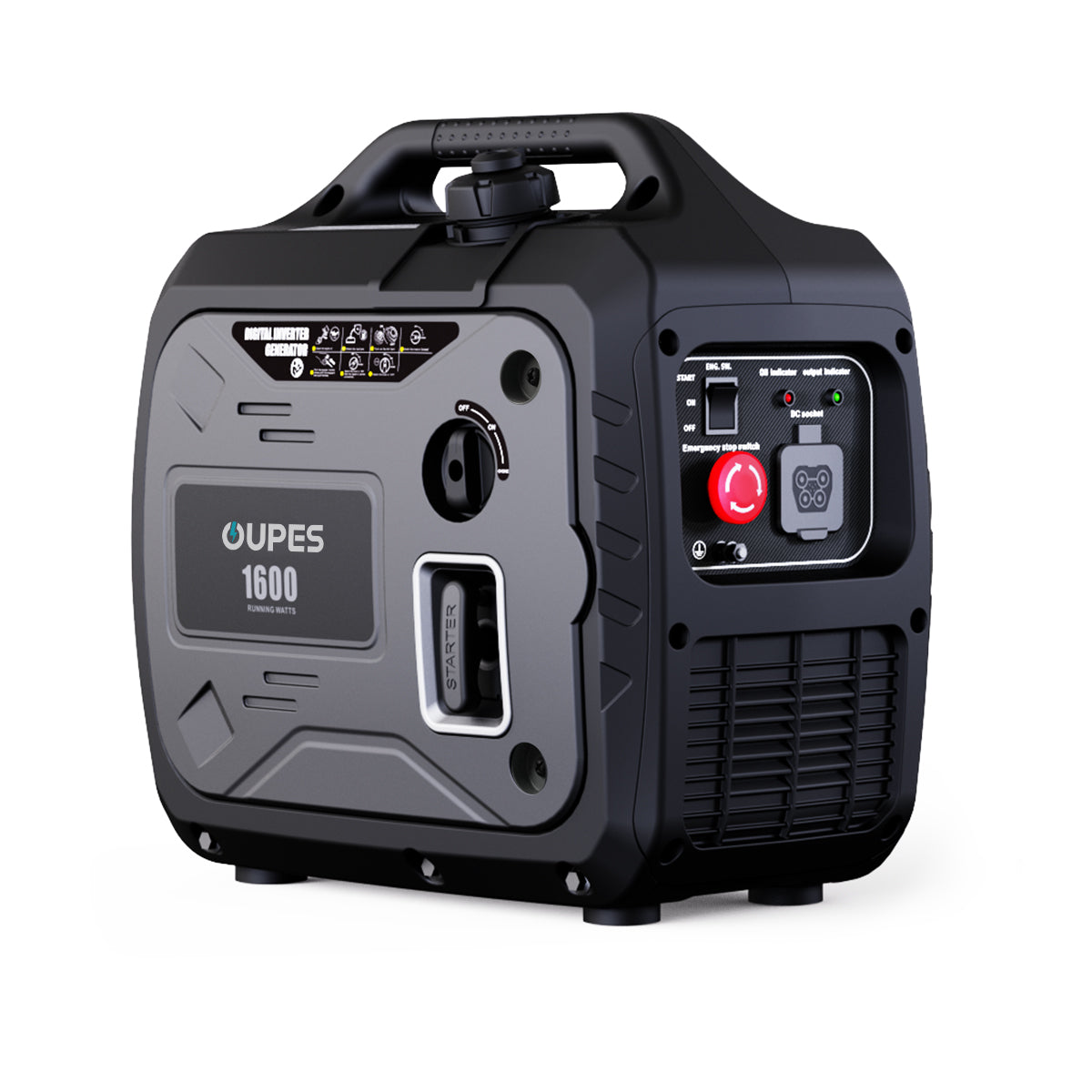
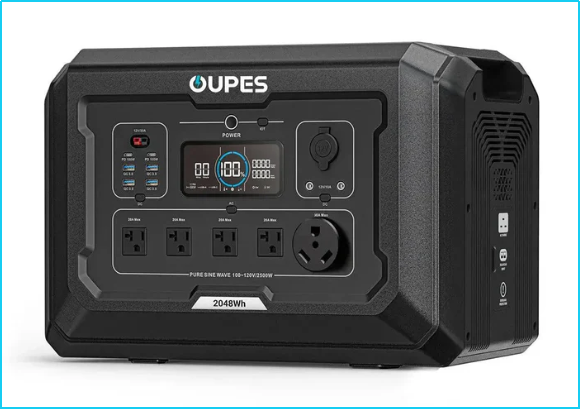
Our brand, OUPES, produces robust portable power stations and home battery backup systems designed for reliable, long-term energy storage. These systems are well aligned with incentive programs when installed correctly.
For instance, if you deploy an OUPES system at your home, properly installed and meeting used-in-home criteria, you could leverage the federal 30% tax credit and potentially stack state rebates or performance programs, significantly lowering your net investment and increasing overall savings and resilience.
FAQ
1. Do I still need solar panels to get battery storage incentives?
No — under current federal guidance a standalone battery storage unit (meeting the requirements) qualifies for the credit even if not paired with new solar.
2. Are there size or capacity minimums for eligibility?
Yes — many programs require a minimum capacity (such as 3 kWh) or specific installation criteria. Always check local program rules and IRS guidance.
3. Can renters claim these incentives?
In general, incentives apply to homeowners and owner-occupied installations. Rental properties may not qualify under many residential programs; check eligibility.
4. Can I combine multiple incentive types (federal + state + utility)?
Yes — in many cases you can stack the federal tax credit with state and utility rebates or performance incentives, reducing net cost significantly. However, rules vary by jurisdiction.
5. What documents do I need to prove eligibility?
You should keep system invoices, installation dates, model numbers, proof of installation at your residence, and tax forms (IRS Form 5695 or other relevant). Consult a tax professional for personal advice.