




Introduction
When a gale warning is issued, it means strong and potentially dangerous winds are on the way. These winds, often reaching 39–54 mph or more, can cause property damage, create hazardous outdoor conditions, and lead to power outages. Knowing how to respond quickly and safely can significantly reduce risks for your family and home.
This comprehensive guide walks you through what to do before, during, and after a gale. It includes scenario-based tips, emergency preparedness strategies, and how tools like OUPES portable power stations can keep your essential devices running when strong winds knock out electricity.
Understanding Gale Warnings
A gale warning is issued when sustained winds between 39 and 54 mph (or higher gusts) are expected. These warnings are typically associated with coastal storms, intense low-pressure systems, or tropical disturbances.
Why Gale Warnings Matter
Gale-force winds are strong enough to uproot trees, damage roofs, blow away outdoor equipment, and disrupt transportation. These conditions can also lead to extended power outages, especially in areas with above-ground power lines.
Wind Speed Classification
| Wind Category | Wind Speed (mph) | Impact Level |
|---|---|---|
| Breezy | 15–25 mph | Minimal; outdoor items may move |
| Windy | 25–38 mph | Branches break; difficulty walking |
| Gale | 39–54 mph | Tree limbs break; minor structural damage |
| Severe Gale | 55–72 mph | Widespread damage; dangerous debris |
When a gale warning is active, it is essential to act quickly. The sooner you prepare, the safer you will be when the wind hits.
How to Prepare Your Home Before a Gale
A head start on preparation can minimize damage and keep your household safe. High winds can turn everyday outdoor objects into dangerous projectiles, so your first priority is securing your surroundings.
Secure Outdoor Items
- Bring inside anything that can blow away—patio furniture, grills, toys, potted plants, bicycles.
- Anchor larger objects such as sheds, trampolines, or garden structures.
- Reinforce fences and gates to prevent collapse from strong gusts.
Protect Your Property
- Trim tree branches that hang close to your roof or power lines.
- Close and lock all windows; reinforce glass with storm shutters if available.
- Inspect your roof for loose shingles or tiles.
- Check gutters for clogs that could worsen water damage if rain accompanies the storm.
Create an Emergency Kit
Your emergency kit should include:
- Bottled water
- Non-perishable food
- Flashlights and extra batteries
- First-aid supplies
- Fully charged portable power station (like an OUPES unit)
- Backup phone chargers and communication tools
Prepare for Power Loss
Since gales often result in trouble for the power grid, preparing alternative energy is essential. A portable power station ensures essential devices—phones, medical devices, lamps, and even small appliances—remain operational.
Staying Safe During a Gale
Once the wind event begins, your focus should shift to safety and avoiding unnecessary risks. Staying inside is critical, as windblown debris can injure even those in seemingly safe areas.
Stay Indoors and Away from Windows
- Move to interior rooms or hallways if wind intensifies.
- Avoid using windows as viewing areas to watch the storm.
- Close curtains and blinds to minimize injury from shattered glass.
Monitor Weather Alerts
Keep a battery-powered or solar-powered radio nearby in case power goes out. Weather updates may announce escalations such as severe gale warnings or storm-force alerts.
Avoid Travel
- Driving becomes risky due to reduced visibility, falling debris, and swerving from crosswinds.
- Power lines or tree branches may fall across roads unexpectedly.
Use Backup Power Wisely
To maximize energy efficiency:
- Only power essential devices.
- Keep phone screens dimmed to save battery life.
- Recharge devices when winds temporarily calm.
Managing Power Outages During Severe Wind Events
Power outages are among the most common consequences of gale-force winds. These outages can last hours or even days, depending on how damaged the local grid becomes.
Common Causes of Wind-Related Power Loss
- Fallen trees damaging power lines
- Blown transformers
- Overloaded circuits from storm activity
- Bent or broken utility poles
How Long Will a Gale Outage Last?
This depends on the severity of damage, response times from utility crews, and local infrastructure strength. Wind-related outages often take longer to fix than outages caused by equipment failure alone.
Preparing for Long Outages
- Store enough drinking water for at least 48 hours.
- Charge all devices before the gale hits.
- Keep a portable power station ready for essential appliances like mini-fridges, communication devices, and lights.
Appliance Wattage Reference Table
| Appliance | Average Wattage | Compatible with OUPES Portable Power Stations? |
|---|---|---|
| Phone Charger | 10–20W | Yes |
| Mini Fridge | 60–120W | Yes |
| LED Lamp | 5–10W | Yes |
| Medical Devices (CPAP) | 30–60W | Yes |
How OUPES Portable Power Solutions Help During Gale Emergencies
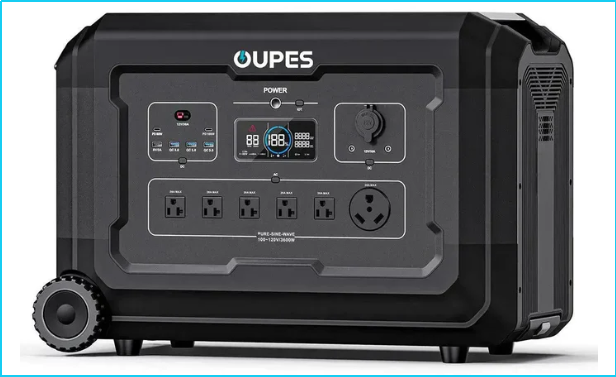
OUPES portable power stations provide clean, reliable, and quiet power backup during high-wind emergencies. When the grid goes down, these units keep essential electronics running without relying on gasoline or noisy generators.
Key Benefits of Using OUPES During a Gale
- Battery-Based Backup: Safe to use indoors, unlike gas generators.
- Solar Rechargeable: When the skies clear after the storm, solar panels allow renewable recharging.
- High-Capacity Storage: Capable of powering appliances like fridges, communication devices, and lighting tools.
- Portable and Lightweight: Easy to move around during emergencies.
Examples of OUPES Power Station Use During Gales
- Keeping food cold in a mini fridge
- Powering medical equipment during outages
- Running lights when the grid is down
- Ensuring phones stay charged for emergency updates
FAQ
How strong are gale-force winds?
Gale winds range from 39 to 54 mph, strong enough to cause structural damage and downed power lines.
Should I evacuate during a gale?
Typically, no—but follow local emergency instructions if your region is at risk of severe or storm-force winds.
Can I go outside during a gale?
No. Flying debris and falling branches pose significant danger.
What should I do if a window breaks?
Move to an interior space immediately and avoid touching broken glass.
How can I prepare for power loss?
Charge all devices and have a portable power station ready for essential electronics.
Will my refrigerator run during a gale outage?
Only if connected to a proper backup system like an OUPES power station capable of handling its wattage.
How long do gale warnings last?
They typically last until the dangerous wind period passes, usually a few hours.
Conclusion
Gale warnings require fast and informed action. By securing your home, preparing emergency supplies, and planning for possible power outages, you can significantly reduce the risks posed by strong winds. Tools like OUPES portable power stations offer reliable backup power, ensuring your essential devices continue operating during emergencies. With the right planning, you can handle unexpected wind hazards safely and confidently.
Remember: Preparation and awareness are your strongest defenses during severe wind events.