


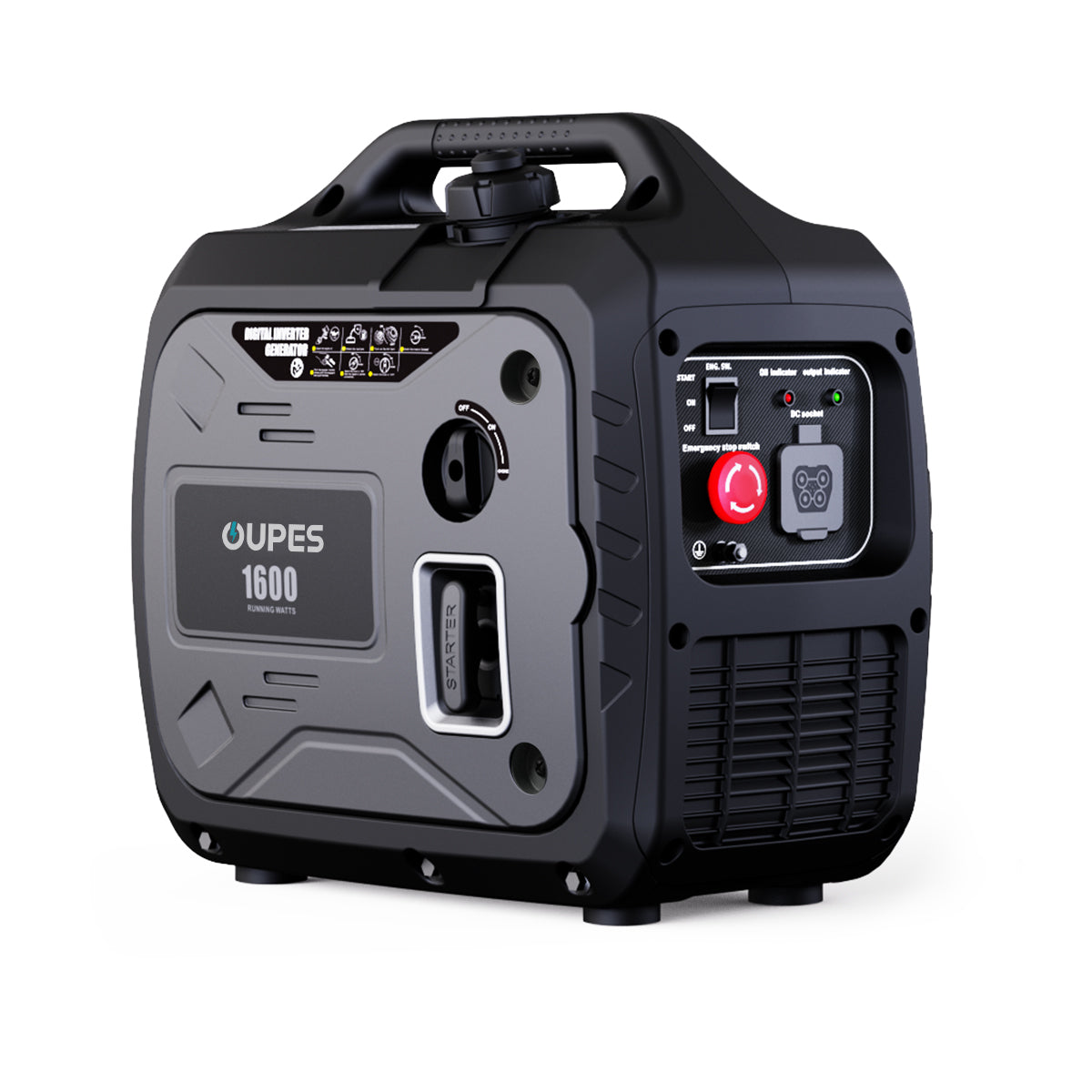


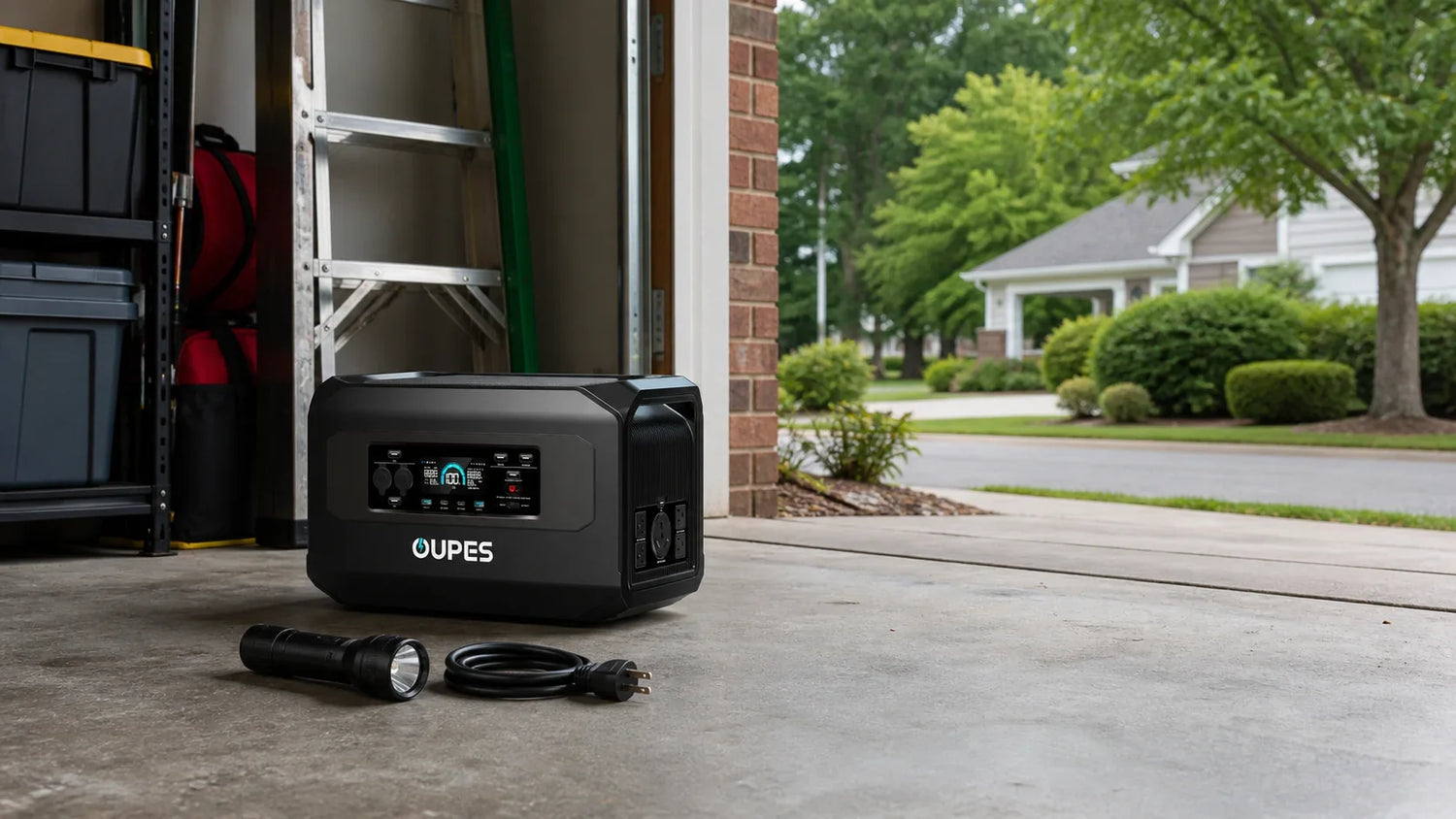
A portable power station is usually the better fit for quiet, rechargeable power around essential electronics and moderate household loads. A fuel generator may be more practical for long outages with sustained high demand when fuel can be stored and replenished safely. Neither is universally better: the decision depends on watts, watt-hours, refueling access, operating location, maintenance tolerance, and the loads you refuse to lose.
The most useful comparison begins with an outage plan, not a brand ranking. Decide whether you need a few quiet hours for communications and refrigeration, repeated days of heavy tool use, or a combination of both. Then compare each option against the same requirements.
Quick Comparison
| Factor | Portable Power Station | Fuel Generator |
|---|---|---|
| Energy source | Stored battery energy; recharge from compatible sources | Engine converts fuel into electricity |
| Indoor operation | No engine exhaust, but follow battery ventilation and placement instructions | Never operate indoors or in enclosed spaces |
| Noise | Generally quiet aside from cooling fans | Engine noise while running |
| Runtime | Limited by stored Wh until recharged | Can continue with safe fuel supply and refueling |
| Maintenance | Charging, inspection, storage, and battery care | Engine, fuel, oil, starting system, and storage maintenance |
| Best fit | Electronics, refrigeration, communications, camping, shorter managed outages | Long high-load operation where safe outdoor use is possible |
This table describes categories, not every model. A large battery system can exceed a small generator in output, and generator technologies vary. Compare actual ratings and manuals after selecting the category that fits the operating environment.
Power and Runtime Are Different Questions
Rated watts limit simultaneous demand. Add the running watts of equipment that may overlap and identify startup demand from compressors, pumps, and motors. A unit may have ample stored energy but still be unable to start a load that exceeds its supported output. Conversely, a high-output source can run out of stored energy or fuel quickly under heavy use.
For a battery system, estimate runtime from usable watt-hours divided by load, while allowing for AC conversion, temperature, battery condition, and cycling equipment. A 2,048Wh battery should not be presented as guaranteeing 2,048Wh at the outlet. For a fuel generator, runtime depends on load and available fuel, plus safe shutdown and refueling practices. The ability to add fuel can favor an engine during long high-demand outages, but only when fuel logistics and outdoor placement are workable.
Load management matters for both. Refrigeration, communications, lighting, and approved medical equipment may be prioritized while electric cooking, laundry, or space conditioning waits. See the US disaster preparedness page when building a broader emergency plan rather than treating electricity as the only requirement.
Location, Noise, and Safety
A battery power station has no combustion engine, so it avoids exhaust at the point of use. It still needs a dry, ventilated location within documented temperature limits, protected cables, and compatible loads. Do not backfeed a home receptacle or improvise fixed wiring. A qualified professional should assess any transfer equipment or connection to household circuits.
Fuel generators create carbon monoxide and require strict outdoor placement. The U.S. Consumer Product Safety Commission says portable generators must be operated outside, far from windows, doors, vents, and other openings; its generator safety guidance warns never to use them in homes, garages, basements, or sheds. An open garage door does not make indoor operation safe.
Noise can affect neighbors, campsites, sleep, and communication. A power station is better suited to quiet hours, though cooling fans may run under load. A generator may be acceptable on a remote work site or during a prolonged outage, subject to local rules and safe placement. The decision should include where the equipment can physically operate, not only its electrical specification.
Charging, Fuel, and Maintenance
A battery system must be charged before it can supply energy. Wall charging is predictable when the grid is available; vehicle charging can support travel; compatible solar can add resilience when conditions cooperate. Explore portable power stations for standalone battery units or home backup packages when added storage is the main need. Solar-generator kits are useful when panels are part of the plan, but sunlight remains variable.
Fuel stores energy compactly and can extend generator operation, but storage has fire, aging, quantity, and local-code considerations. Engines need the maintenance stated in their manuals and may fail to start if neglected. Batteries also need periodic inspection and charging during storage. The better ownership experience is the one whose maintenance you will actually perform.
Cost should be compared over the intended use period, not by a promotional price. Include required accessories, maintenance, replacement expectations, charging or fuel, safe storage, and professional electrical work. This article does not use live prices because product discounts and local fuel costs change.
Choose by Scenario
Short, quiet household outage
A power station often fits phones, router, lights, television, and a managed refrigerator load without engine exhaust or fuel handling. Check startup demand and capacity before assuming overnight operation.
Multi-day high-load outage
A fuel generator may be more practical when high loads must run for many hours and safe fuel replenishment is available. Some households use a layered plan: battery power during quiet periods and a generator outdoors for heavier charging or loads. Any integration must follow equipment instructions.
Camping, van travel, and remote work
A battery system is attractive when quiet operation, portability, and electronics matter. The outdoor power station page covers this use. A generator may suit remote construction or sustained tools, but campground restrictions, transport, exhaust, and fuel storage can outweigh its runtime advantage.
Home circuits or automatic backup
Neither a portable battery nor a portable generator should be assumed to power household wiring by plugging into an ordinary outlet. Transfer equipment, grounding, permits, and load selection require professional evaluation. Portable plug-in use and a permanently integrated backup system are different projects.
An OUPES Option for Managed Backup Loads
Before buying either category, run one stress test on paper. List the highest-priority overnight loads, then create a second case for the heaviest hour of the day. The overnight case exposes energy-capacity needs; the heavy-hour case exposes output needs. A solution that passes only one case is incomplete. Also identify where the equipment can operate during rain, extreme heat, or an evacuation.
The OUPES Mega 2 Pro Portable Power Station provides 2,048Wh of capacity, 2,500W rated output, and support for up to 2,100W of solar input. It is a standalone power station and does not include a solar panel or expansion battery. That combination can suit a managed set of household, garage, or travel loads whose simultaneous demand remains within the rating.
It is not a replacement for unlimited fuel-based runtime, and it should not be presented as an automatic whole-home system. Calculate the daily energy budget and confirm each load first. The Mega Series collection provides family context, while long-duration storage needs may point toward an expandable package.
Finally, document a fallback. If the selected source cannot support a critical load or cannot operate in the available location, know which load will be disconnected and where household members will go. Backup planning is a service plan, not only an equipment purchase.
Frequently Asked Questions
Which option is safer indoors?
A battery power station has no combustion exhaust, but it still needs dry, ventilated placement and correct use. A fuel generator must never operate indoors or in a garage, basement, crawlspace, or shed. Follow the manufacturer and CPSC guidance.
Which lasts longer during an outage?
A generator can continue while safe fuel is available, while a battery system is limited by stored energy until recharged. Actual duration depends on load. Solar may replenish a battery, but production varies with weather and placement.
Can a power station run a refrigerator?
Often, if rated output supports running and startup demand and capacity covers the intended time. Check the refrigerator nameplate or measured consumption. Cycling, temperature, door openings, and battery conversion losses change runtime.
Can I connect either option to my breaker panel?
Do not improvise a connection or backfeed a receptacle. Fixed household integration may require transfer equipment, permits, grounding decisions, and a qualified professional. Portable plug-in use does not establish suitability for panel connection.
Does a solar panel make battery runtime unlimited?
No. Panel output changes with sun, season, angle, shade, temperature, and weather. Compare expected daily harvest with daily consumption and maintain reserve for low-production periods.
Should I own both?
A layered plan can make sense for households needing quiet battery power plus long-duration high-load capability, but it adds cost, storage, and maintenance. Start with critical loads and outage duration, then decide whether one category covers them.
Conclusion
Choose a portable power station for quiet, rechargeable, managed power and a fuel generator for prolonged high demand where safe outdoor operation and fuel logistics are practical. Compare real loads, runtime, placement, and maintenance. For moderate essential loads, the Mega 2 Pro offers a locally available 2,048Wh, 2,500W battery option without claiming to replace every generator use case.
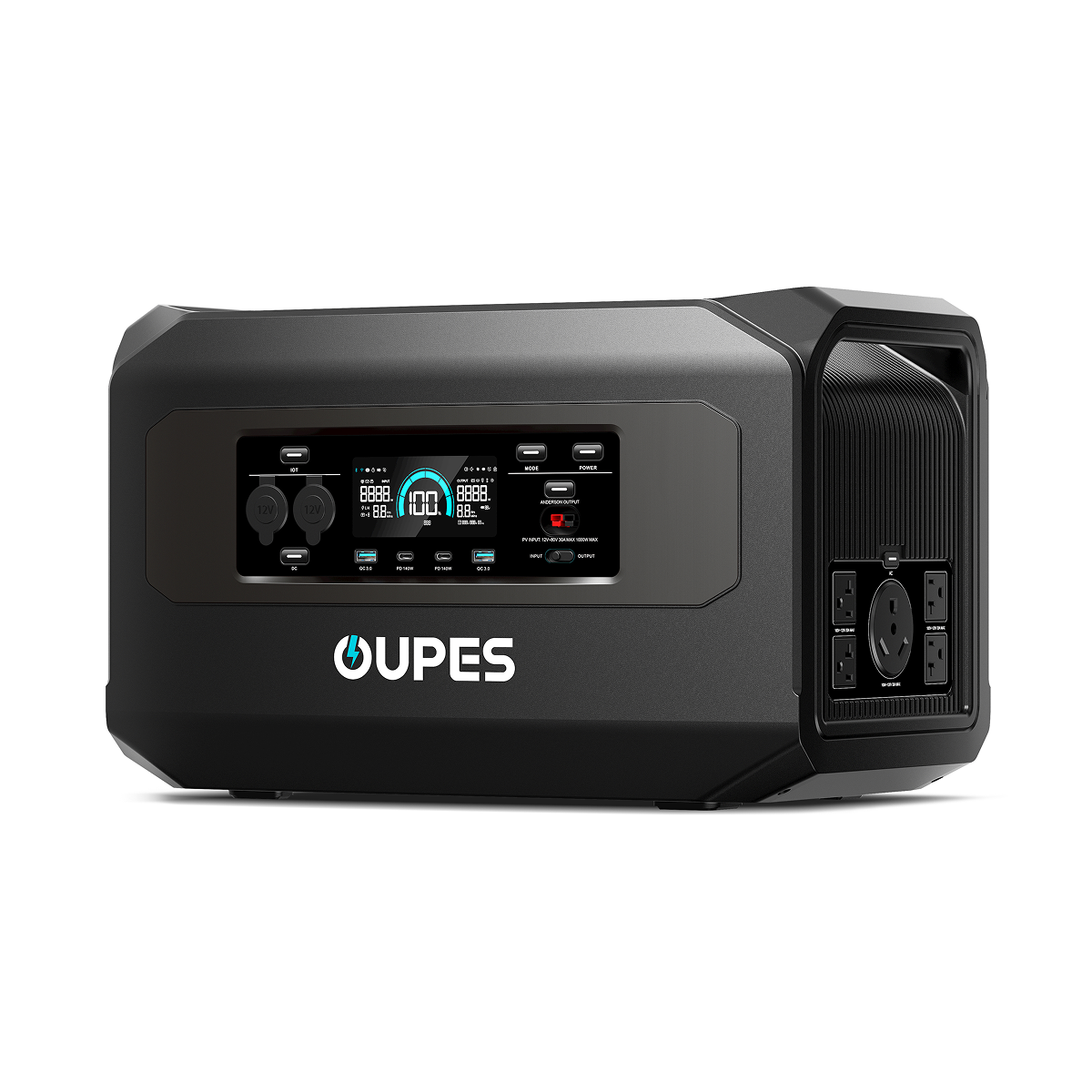
OUPES Mega 2 Pro Portable Power Station
- Standalone power station without panel or extra battery
- 2,048Wh battery capacity
- 2,500W rated output
- Up to 2,100W solar input


Leave a comment
This site is protected by hCaptcha and the hCaptcha Privacy Policy and Terms of Service apply.