


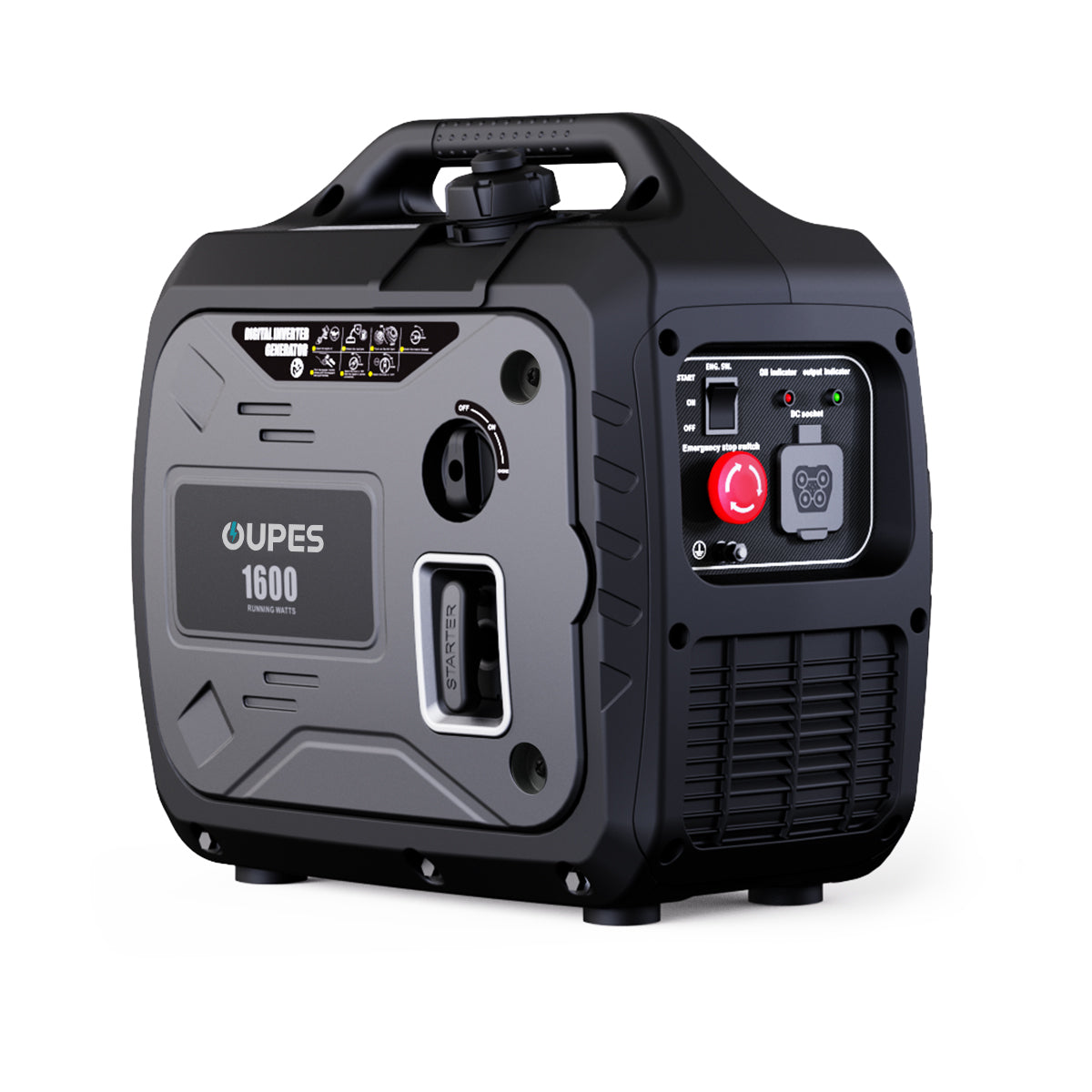


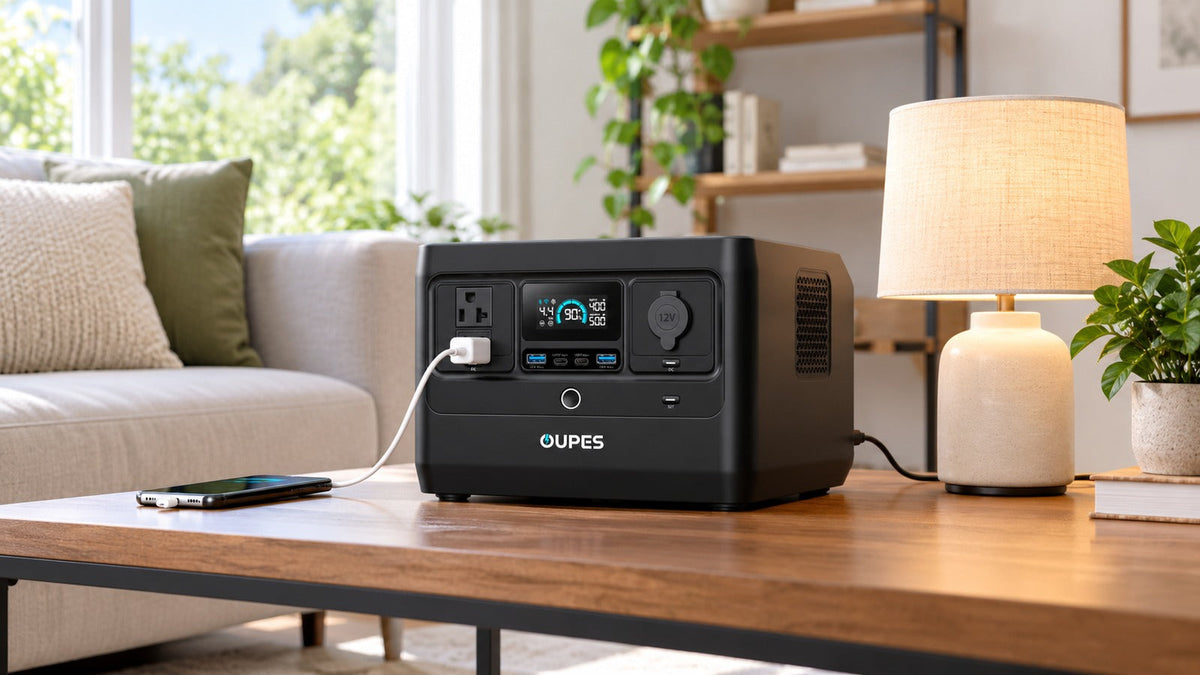
Place a portable power station on a stable, dry, level surface with its vents unobstructed, enough open space for airflow, and protection from direct sun, rain, spills and heat sources. Keep it where cords can reach without creating a trip hazard and where the display and controls remain accessible. Always follow the placement and temperature limits in the exact model manual.
Key Takeaways
- Use a dry, stable and ventilated location.
- Do not cover the station or press it against curtains, bedding or a wall that blocks vents.
- Protect the unit and every connector from rain, pooled water and condensation.
- Keep it away from heaters, open flames and prolonged direct sunlight.
- Stop using a unit that becomes abnormally hot, wet, damaged, swollen, noisy or odorous.
Use Four Placement Tests
A suitable location passes four tests: it is dry, stable, ventilated and within the model's temperature limits. The surface should support the full weight without rocking or sagging. The station should not sit where children, pets or foot traffic can pull a cable or knock it over.
Vent openings differ by model. Inspect every side and leave those openings clear. The station may use fans only under certain loads or temperatures, so a silent fan does not mean airflow is unnecessary.
Choose a Safe Indoor Location
A battery power station does not burn fuel during operation, making it suitable for indoor use when the product manual permits the environment. A living room, office or utility area can work when the surface is dry, the vents remain open and the unit stays away from sinks, tubs, humidifiers and other spill sources.
Avoid beds, sofas, thick carpet piles and piles of clothing. Soft material can block ventilation and make the unit unstable. Do not place the station inside a sealed cabinet while it is charging or supplying a load. Keep papers, curtains and other combustible clutter away from heat-dissipation areas.
Choose a location where the screen is visible and the power button can be reached without moving heavy furniture. During an outage, use a small light so plugs and cables can be handled safely.
Protect the Station Outdoors
Outdoor use requires weather protection. A portable power station and its open connectors should remain dry even when solar panels are deployed outside. Use a stable sheltered surface above wet grass, mud and places where water can pool. A canopy must still allow airflow and must not trap heat around the unit.
Shade helps prevent solar heating, but do not assume a tent, vehicle or storage box stays cool. Enclosed spaces can become much hotter than the surrounding air. Bring the station to a suitable dry location if rain, condensation or extreme temperature cannot be controlled.
For more outdoor-use planning, review the outdoor power station guidance and the manual for the exact OUPES model.
Place It Safely in an RV or Vehicle
Set the station on a level surface and secure it against sudden stops, turns and rough roads. Never operate it loose on a seat or elevated shelf. Keep cables away from pedals, seat tracks, door latches and sharp metal edges.
Do not leave the unit in a parked vehicle exposed to extreme sun or cold. Check the stated operating and storage temperature ranges. If the unit has been moved from a cold location to a warm humid space, allow any condensation risk to clear before connecting power.
In an RV, do not place the station in the same compartment as fuels or other materials prohibited by the product and vehicle manuals. Any fixed electrical connection should use purpose-designed equipment rather than an improvised backfeed cord.
Manage Cords and Loads
| Check | What to verify |
|---|---|
| Surface | Level, dry and able to support the full weight |
| Airflow | All intake and exhaust vents are clear |
| Environment | Within the manual's operating temperature range |
| Moisture | No rain, condensation, spills or wet connectors |
| Cords | Undamaged, correctly rated and outside walkways |
| Load | Within continuous, surge and outlet limits |
Use the shortest practical cable that is properly rated for the load and environment. Fully insert plugs and avoid daisy-chaining power strips or extension cords. Keep AC and DC cables organized so they do not press against hot surfaces or block airflow.
Know When to Stop Using It
Turn off and disconnect loads if the station becomes unusually hot, emits smoke or a strange odor, makes hissing or crackling sounds, shows swelling or case damage, or has been exposed to water. Move away from an immediate fire or smoke hazard and contact emergency services when needed.
Do not open the enclosure or attempt a live repair. Record the model, serial number, displayed warning and operating conditions, then contact OUPES support for model-specific instructions. A protective shutdown is a signal to identify the cause before restarting.
Frequently Asked Questions
Can a portable power station be used indoors?
Battery stations do not produce combustion exhaust, but they still need a dry, ventilated location within the manual's limits.
Can it sit on carpet?
A hard, level surface is preferable. Thick or soft carpet can reduce stability or block low vents.
Can I place it against a wall?
Only when all vents and the clearance required by the manual remain unobstructed.
Can I cover it to reduce fan noise?
No. Covering the unit can restrict airflow and trap heat.
Can it operate inside a cabinet?
A sealed cabinet is unsuitable. Use only an arrangement that maintains required airflow and temperature.
Can I use it outside under a canopy?
Only when the station and connections remain completely dry, stable, ventilated and within temperature limits.
Should it sit directly on concrete?
Use a dry, stable surface and prevent moisture or condensation. A suitable platform can improve separation from damp floors.
Can I leave it in a parked car?
Do not store or operate it where vehicle temperature may exceed the stated limits.
What should I do if it gets wet?
Stop use, disconnect it when safe, do not energize wet connectors and contact support for inspection guidance.


Leave a comment
This site is protected by hCaptcha and the hCaptcha Privacy Policy and Terms of Service apply.