


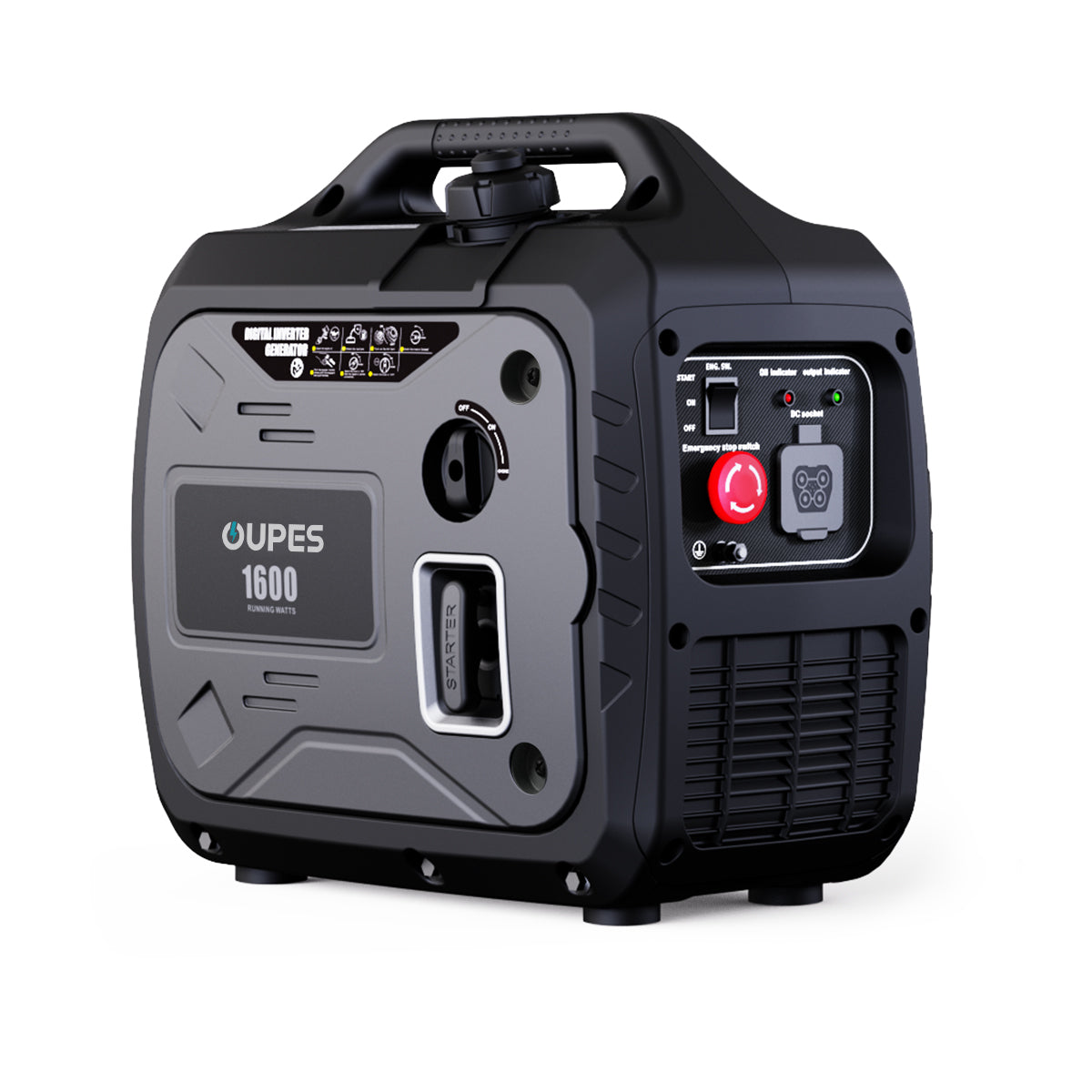


A short-outage plan bridges essential devices until utility power returns; a long-outage plan must replace daily energy, manage uncertain recharging and preserve reserve across multiple days. The longer the outage, the more important load prioritization, solar or alternate charging, seasonal conditions and a written household operating plan become.
Key Takeaways
- Short outages emphasize immediate continuity and startup reliability.
- Long outages are governed by daily Wh and the ability to recharge.
- High-power heat and cooking loads can overwhelm multi-day plans.
- Expansion adds runtime but usually does not add inverter output.
- Safe transfer equipment is required for fixed home circuits.
Define the Outage Duration You Are Designing For
| Duration | Primary objective | Key question |
|---|---|---|
| 1–4 hours | Bridge communications, lighting and critical equipment | Will every priority load start immediately? |
| 8–24 hours | Manage refrigeration and daily essentials | Does delivered Wh cover the full period? |
| Multiple days | Balance daily use with daily recharge | Can energy production exceed consumption? |
Build a Short-Outage Bridge
Keep the station charged to the backup level recommended for the product and connect only tested essentials. A router, phones, lights and measured refrigeration can be practical. Short events may not justify deploying a large solar array if the grid is expected back before meaningful harvest.
Startup reliability matters immediately. Test refrigerator compressors, pumps and medical equipment before the event.
Turn a Long Outage Into a Daily Energy Budget
Calculate each 24-hour load. If essentials use 2,000Wh per day and solar replaces only 1,200Wh, the system loses about 800Wh per day before other effects. More storage delays depletion but does not eliminate the deficit.
Create operating tiers: critical, important and optional. Set rules for when cooking, entertainment or power tools can run based on state of charge and forecast recharge.
Add Multiple Recharge Paths
Solar harvest varies with weather and season. AC charging may be available at a safe alternate location. Vehicle charging can help when supported, but fuel and safe vehicle operation become part of the plan. Every method must respect input limits.
The OUPES disaster preparedness guide can complement the electrical plan with a wider household checklist.
Match System Scale to the Duration
A compact station may be ideal for a few hours of communications. A larger expandable system becomes more useful as daily Wh and simultaneous loads grow.

OUPES Mega 1 Lite
- 1,024Wh rated capacity.
- 2,000W continuous AC output and 4,500W surge.
- Up to 800W solar input.
- A compact high-output bridge for measured short-duration essentials.

OUPES Mega 3
- 3,072Wh base capacity.
- 3,600W continuous AC output and 7,000W surge.
- Expandable up to 15.36kWh with compatible B2 batteries.
- A larger expandable base for longer managed outages and daily recharge planning.
Prepare Safe Connections and Operating Rules
Plug compatible portable appliances directly into the station as documented. Use heavy-duty extension cords only within their ratings and keep them dry and visible. Never backfeed a receptacle.
For home circuits or 240V loads, use a purpose-compatible transfer solution and qualified installation. Test the household sequence, label priority loads and assign one person to monitor energy.
Review the Plan After Every Real Outage
Record actual duration, energy used, loads that were missed and the recharge achieved. A short outage can reveal a startup problem; a long event can reveal a daily energy deficit that a bench test did not show.
Update seasonal assumptions and replace damaged or missing cables. Recharge the station according to its guidance and restore the kit before the next event.
Frequently Asked Questions
How much battery is enough for a short outage?
Calculate the selected loads for the expected hours plus reserve.
What changes after 24 hours?
Daily consumption must be balanced against daily recharge and uncertain conditions.
Can more batteries solve a solar deficit?
They delay depletion but do not correct a continuing daily energy deficit.
Should I keep a refrigerator running continuously?
Measure its cycling energy and manage door openings; do not assume constant nameplate watts.
Can I use a generator to charge the station?
Only with a compatible, safely operated source and never with a fuel generator indoors.
Do expansion batteries add more AC watts?
Usually they add energy; verify whether output changes.
How should I handle bad solar weather?
Increase reserve, reduce optional loads and maintain a second approved recharge or relocation plan.
Can I connect the station to a wall outlet for home backup?
No. Use appropriate transfer equipment for building circuits.
What should the household write down?
Load priorities, operating times, recharge rules, connection limits and shutdown triggers.

Leave a comment
This site is protected by hCaptcha and the hCaptcha Privacy Policy and Terms of Service apply.