




Buying usually gives the homeowner ownership, control, and access to owner-based incentives, while a solar lease places system ownership with a third party in exchange for contract payments and defined responsibilities. Neither choice is automatically cheaper for every household. Compare the same production assumptions, full contract term, escalation, maintenance, roof work, home-sale process, end-of-term options, and battery rights before deciding.
This guide uses American English and separates permanent solar or building work from portable backup. Product ratings come from the current US regional product table; local permits, contracts, site conditions, and equipment manuals still control the final decision.
Ownership and Cash Flow
A cash purchase concentrates cost at installation but avoids a solar payment afterward. A loan spreads the purchase cost and may include interest, dealer fees, security interests, or prepayment terms. A lease generally charges for use of a third-party-owned system, while a power purchase agreement charges for generated electricity. Ask for a complete payment schedule rather than comparing only the first month.
The Department of Energy’s Homeowner’s Guide to Solar emphasizes that savings depend on consumption, system size, ownership or lease structure, production, utility rates, and compensation for exported energy. Build a conservative model with fixed utility charges and realistic degradation or production guarantees.
Contract Terms and a Future Home Sale
Read who owns the panels, inverter, monitoring data, renewable energy certificates, and any battery. Record the term, payment escalator, minimum production commitment, maintenance response, insurance obligations, roof-removal process, early termination, end-of-term options, and dispute process. If verbal statements are not in the signed agreement, do not rely on them.
The Federal Trade Commission’s solar consumer guidance recommends comparing detailed bids and reviewing contract terms, including payment increases, warranties, repairs, and home-sale transfer requirements. Ask whether a buyer must qualify, pay a transfer fee, or accept the remaining term.
Incentives and Policy Need Current Verification
Ownership can affect who may claim tax credits, rebates, renewable energy certificates, or other benefits. These rules change and eligibility depends on facts beyond the equipment itself. Verify current federal guidance, state programs, utility tariffs, and tax advice at the time of purchase. Do not accept a sales presentation as tax advice.
Compare net cost after only the benefits you reasonably expect to qualify for. Model a lower-than-promised utility-rate increase and a lower production year. For a lease or PPA, identify who receives incentives and environmental attributes. For a purchase, include inverter replacement, monitoring, maintenance, and roof work in the long-term plan.
Battery and Backup Options
Solar ownership does not automatically include outage backup. Ask whether storage is included, who owns it, which loads it serves, how it operates during an outage, and whether later expansion is allowed. A lease may restrict alterations or require the provider’s equipment and approval. A purchased system can offer more control, but every battery addition still requires compatible design and permits.
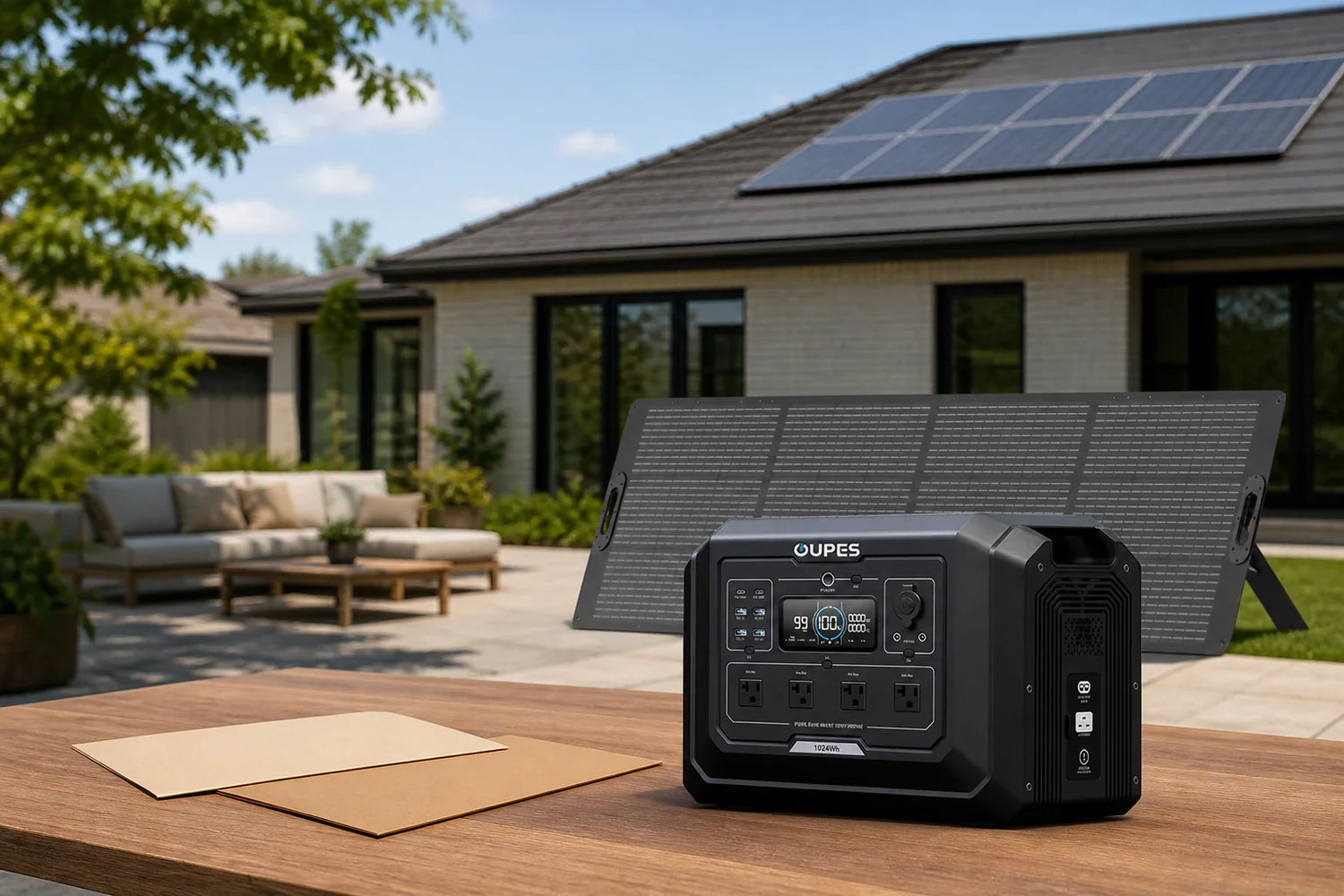
Portable OUPES equipment sits outside the ownership decision for a permanent rooftop contract. A solar generator kit can support selected plug-in loads and travel, but it is not a substitute for the leased or purchased array’s inverter, interconnection, or automatic transfer equipment. Keep the contracts and electrical boundaries separate.
Lease vs. Buy Comparison Table
| Question | Purchase | Lease / PPA |
|---|---|---|
| Who owns equipment? | Homeowner, subject to financing terms | Third-party provider |
| Payments | Cash or loan schedule | Lease payment or energy charge |
| Incentives | Potentially owner, subject to current rules | Usually system owner; verify contract |
| Maintenance | Owner responsibility unless covered | Provider responsibility as contract states |
| Home sale | Loan payoff or transfer may apply | Contract transfer, buyout, or removal terms apply |
Normalize Every Proposal
Ask each provider for the same fields: system size, modeled annual production, equipment models, cash price, financed price, interest and fees, lease or PPA payment schedule, escalation, warranty, maintenance, monitoring, roof-work process, and end-of-term options. Put those fields into one table. A low introductory payment should not be compared with a cash price as if they covered the same period.
Use at least three scenarios: expected production, lower production, and an early home sale. Include fixed utility charges and avoid assuming aggressive electricity-price inflation. For a loan, distinguish the equipment price from financing cost. For a lease or PPA, total the scheduled payments and identify every amount that can change.
Questions to Answer Before Signing
- Who owns the equipment, data, incentives, and renewable energy certificates?
- Who pays when the roof needs repair or equipment must be removed?
- What performance is guaranteed, and how is a shortfall calculated?
- Can payments escalate, and is there a cap?
- What happens on sale, refinancing, default, damage, or early termination?
- Can storage or an EV charger be added later?
Obtain answers in the contract and attachments. Confirm contractor licensing and insurance with the relevant state or local authority. Take time to review; urgency and a signature tablet are not substitutes for a complete written agreement.
Ownership Changes Resilience Choices
A homeowner-owned system may provide more freedom to select storage and modify controls, but warranties and compatibility still matter. A third-party owner may handle maintenance yet restrict modifications. Ask who controls the battery during utility programs, whether reserve settings can be changed, and what happens when communications fail.
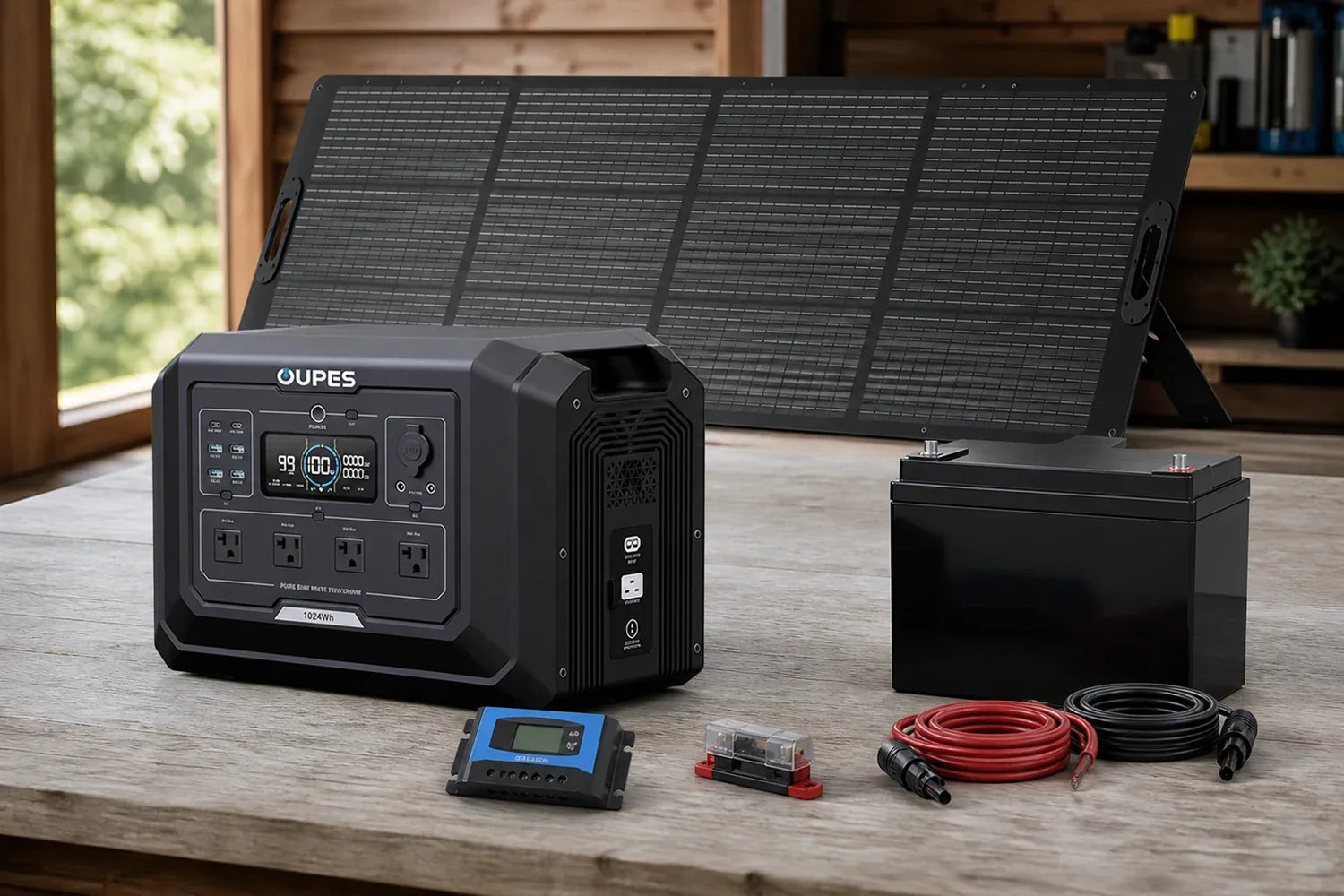
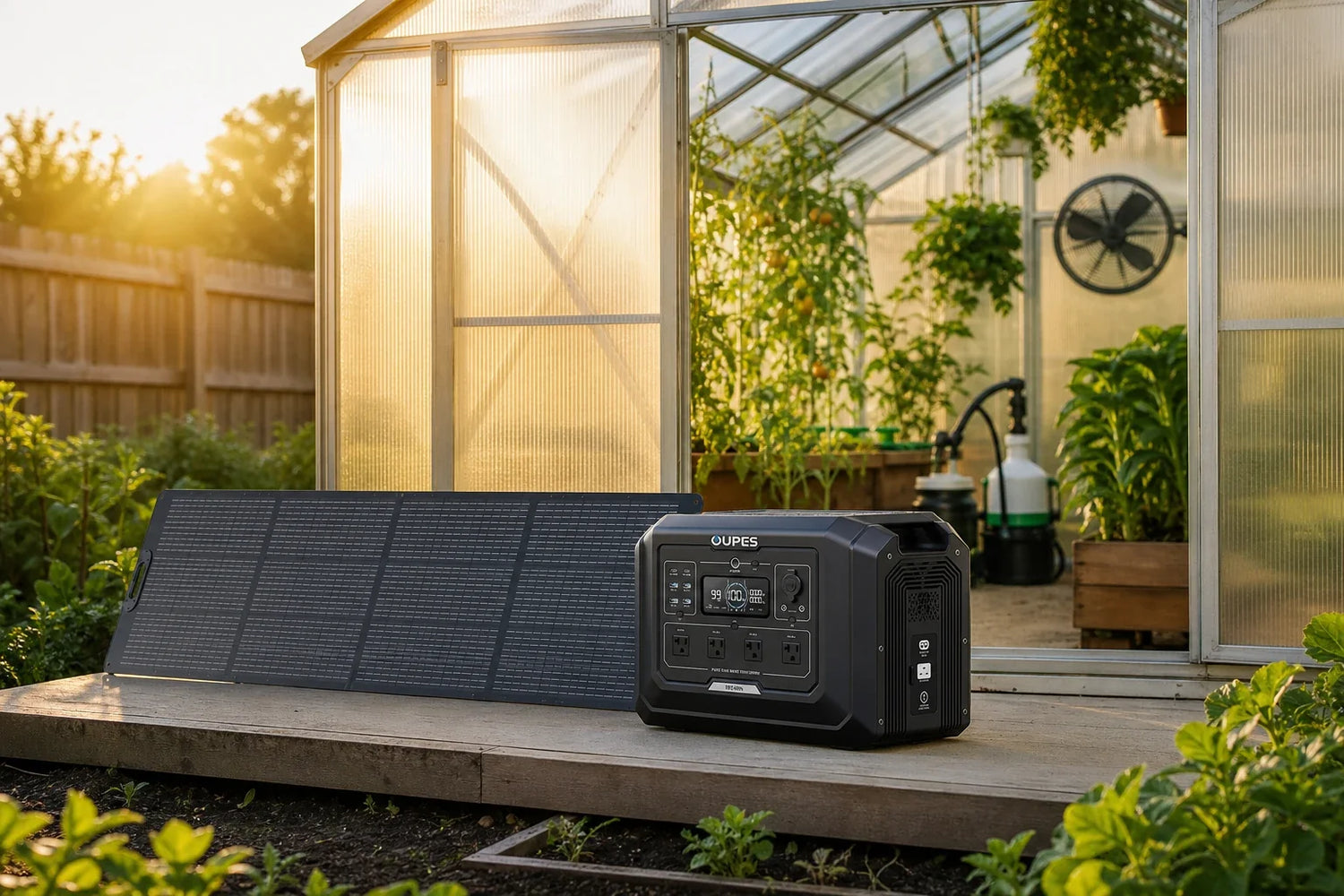
Keep a portable backup decision financially separate. The Mega 1 solar kit is movable personal equipment with its own product warranty and ratings; it does not change who owns the rooftop array or who receives its incentives. Evaluate it for selected outage loads only after the permanent solar agreement is understood.
Model a Long-Term Decision
Build a year-by-year comparison using the actual contract term. For a purchase, include the cash or loan payments, financing fees, expected maintenance, monitoring, possible inverter work, insurance effects, and roof removal when relevant. For a lease or PPA, include every scheduled payment, escalator, fixed fee, buyout option, and end-of-term charge. Keep utility fixed charges separate from energy charges so projected savings are not overstated.
Run sensitivity cases instead of one forecast. Lower expected production, slow utility-rate growth, an early move, a roof repair, or a delayed service response can change the preferred option. A proposal should still make sense when optimistic assumptions are reduced. If a salesperson will not provide the inputs behind the savings chart, do not treat the chart as a decision model.
Coordinate Roof, Solar, and Storage
The roof may last a different length of time from the solar contract. Ask who pays to remove and reinstall equipment, whether that work must use the original provider, how warranties are preserved, and how long the house may be without generation. If the roof is near replacement, compare completing roof work before solar.
Storage has its own warranty, operating limits, replacement expectations, and control settings. Confirm whether it is included in the quoted production or savings model and whether the owner can reserve energy for outages. A grid-services program may allow a utility or aggregator to use part of the battery under agreed rules. Those terms should be visible, optional where represented as optional, and evaluated separately from the rooftop payment.
Finally, decide who will keep records. Store proposals, final design, permits, inspection, interconnection approval, warranties, monitoring access, loan or lease documents, and service contacts. Complete records make maintenance and a future home sale easier regardless of the financing path chosen. Compare the US home backup collection and portable power stations separately from rooftop contracts.
Frequently Asked Questions
Is it better to lease or buy solar panels?
Buying often favors long ownership, control, and access to owner-based incentives. Leasing can reduce upfront responsibility. The better choice depends on the complete payment schedule, contract, production, and moving plans.
Who gets the solar tax credit on a lease?
The system owner generally receives owner-based incentives, but current eligibility and contract treatment must be verified with official guidance and a qualified tax adviser.
What happens to a solar lease when I sell my home?
The contract may require buyer qualification, transfer, buyout, prepayment, or removal. Read the exact sale provisions and obtain the provider’s current process before listing the property.
Does leased solar include maintenance?
Many agreements assign maintenance to the provider, but scope, response time, roof removal, monitoring, and exclusions vary. Only the written contract controls.
Can I add a battery to leased solar?
Possibly, but ownership, compatibility, warranties, provider approval, permits, and utility rules may restrict the change. Get written approval and a complete design before buying storage.
Should I compare only monthly payments?
No. Compare total payments, escalation, expected production, fixed utility charges, incentives, maintenance, roof work, sale transfer, end-of-term costs, and financing fees.
Conclusion
Purchase or lease solar panels only after translating every proposal into ownership, cash flow, production, responsibility, and exit terms. Verify incentives and utility rules at decision time. Portable OUPES storage can complement selected loads, but it should remain clearly separate from the permanent array’s contract and interconnection.
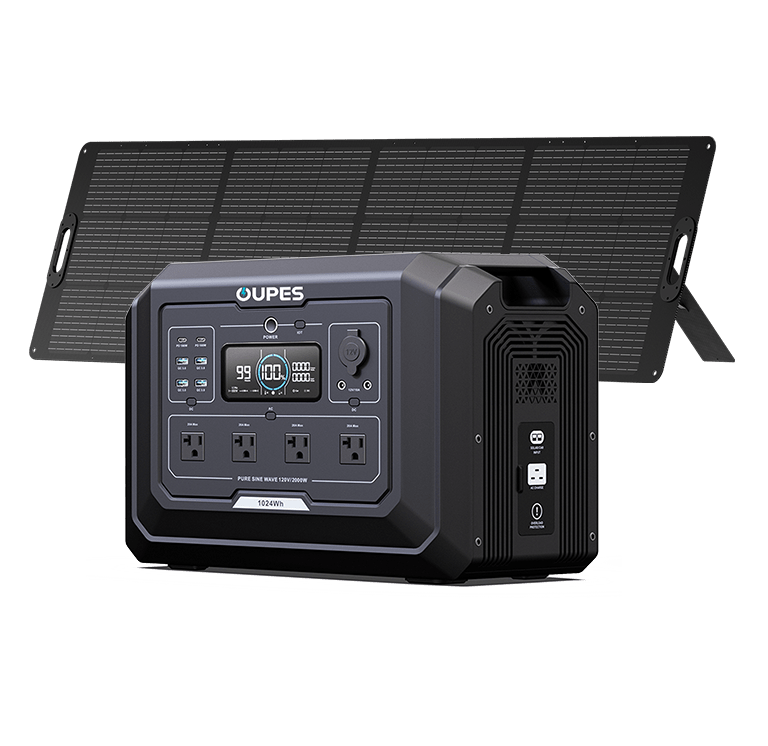
Mega 1 + 240W Solar Panel Solar Generator Kit
- Mega 1 with one 240W portable solar panel
- 1,024Wh capacity
- 2,000W rated output
- Up to 800W solar input


Leave a comment
This site is protected by hCaptcha and the hCaptcha Privacy Policy and Terms of Service apply.