


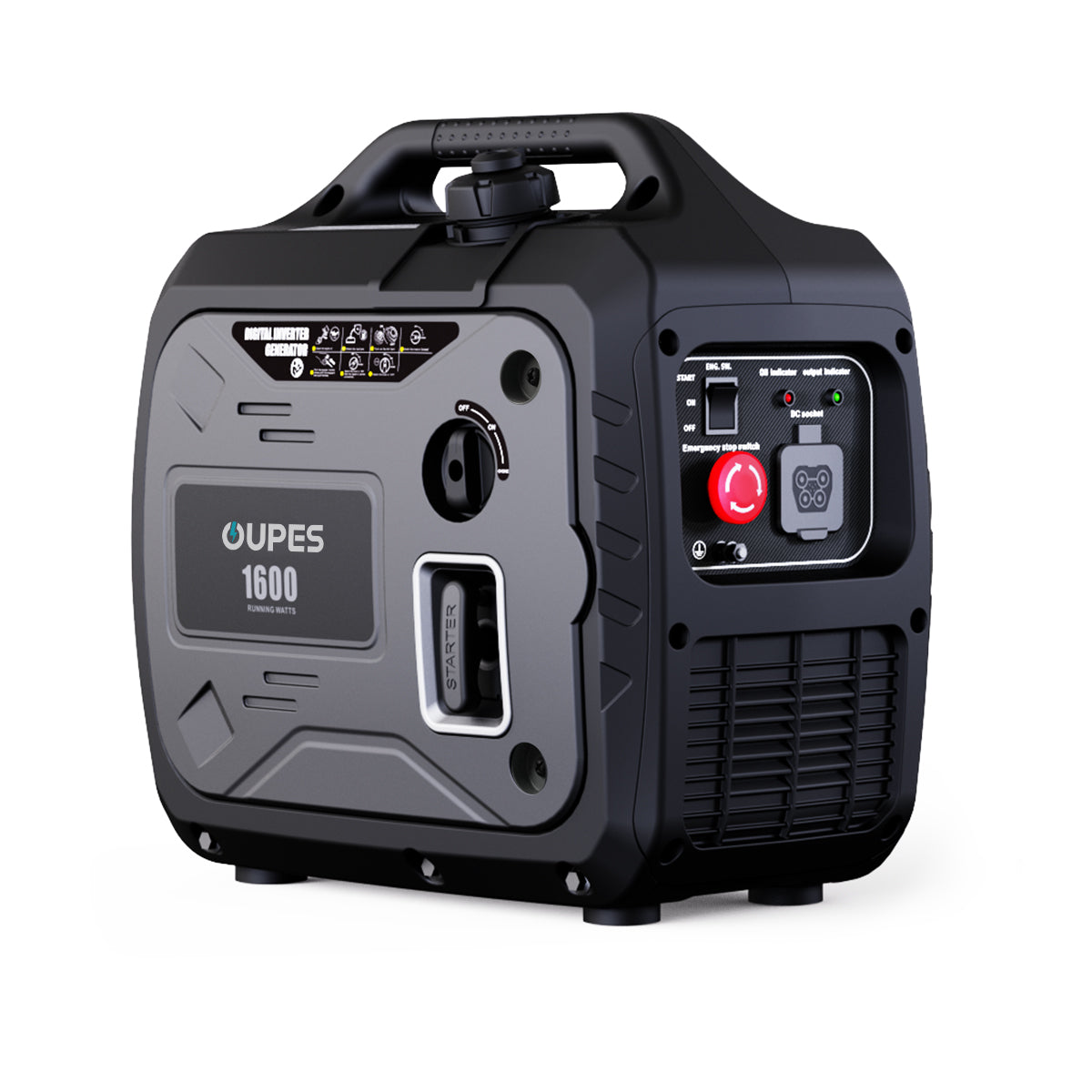


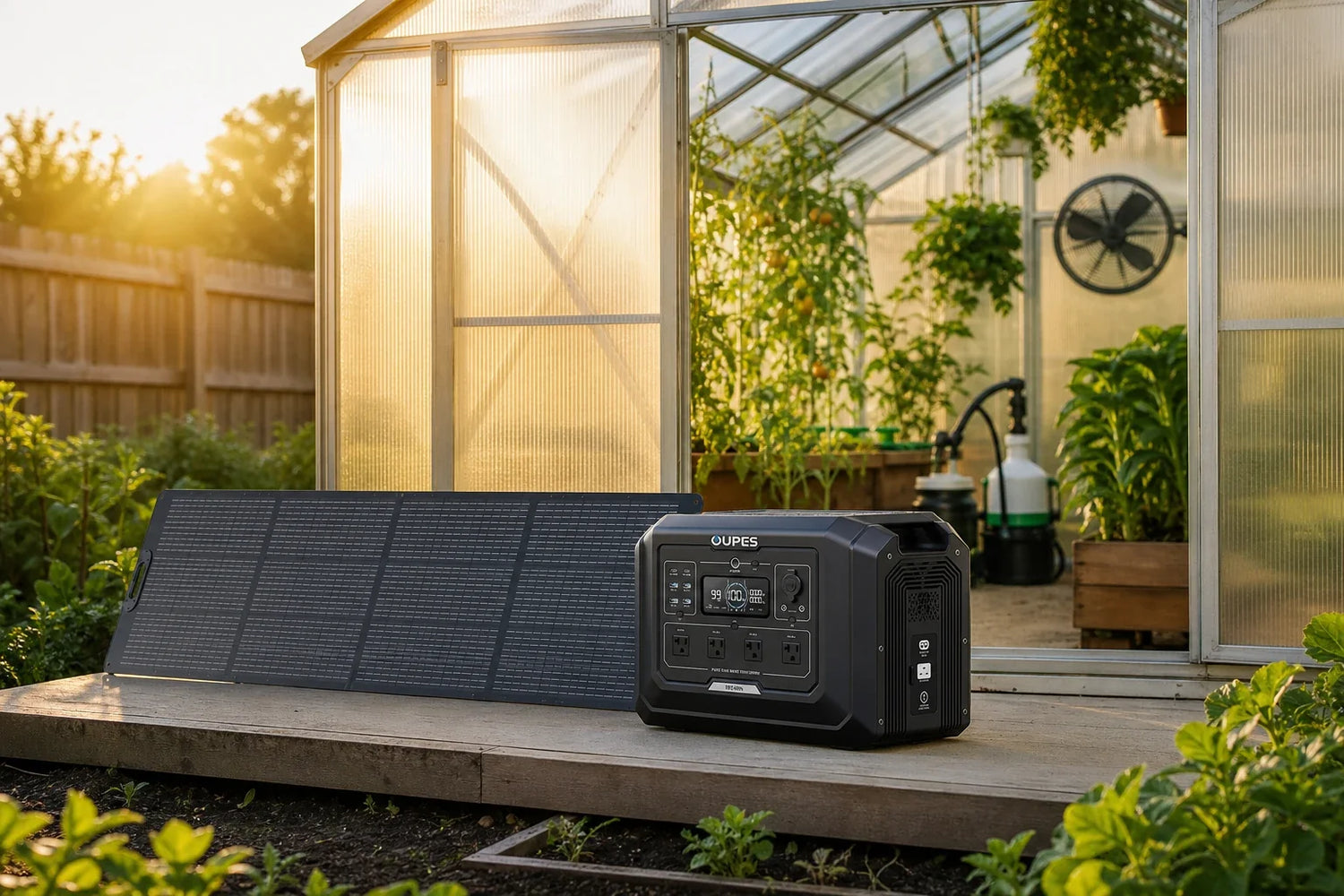
Solar can run greenhouse ventilation, irrigation controls, sensors, small pumps, and selected lighting when the daily energy budget is measured carefully. Electric space heating is the difficult load: maintaining temperature through a long cold night can require far more energy than a small portable array and battery can store. Separate life-safety or crop-critical loads from comfort loads, then size production and storage for the hardest season rather than a mild sunny day.
This guide uses American English and separates permanent solar or building work from portable backup. Product ratings come from the current US regional product table; local permits, contracts, site conditions, and equipment manuals still control the final decision.
Build a Greenhouse Load List
Group equipment into continuous, cycling, scheduled, and emergency loads. Ventilation fans, circulation fans, pumps, thermostats, actuators, sensors, data loggers, lights, and heaters behave differently. Record watts and daily operating time for each. Measure cycling equipment over representative weather when possible instead of assuming it runs continuously or barely at all.
Prioritize what protects plants first. Frost alarms, ventilation controls, irrigation timing, and a small circulation fan may deserve backup before supplemental lighting or large heaters. If a pump or fan has a motor, account for startup demand as well as daily energy.
Why Electric Heating Often Dominates
Heat loss depends on surface area, glazing, air leakage, wind, indoor-outdoor temperature difference, thermal mass, and insulation. A heater that draws 1,500W for eight hours consumes 12,000Wh before conversion losses—far beyond a 1,024Wh battery. Thermostatic cycling may reduce that amount, but it must be measured or modeled rather than assumed.
Reduce the load before buying storage. Repair air leaks, use appropriate night curtains or insulation, reduce the heated zone, add safe thermal mass, and choose crop-specific temperature targets. Never compromise combustion safety, moisture control, or ventilation to save energy.
Plan for the Seasonal Mismatch
The time of greatest heating need often coincides with short days, low sun angles, clouds, and snow. Size a winter-critical system from winter production, not the annual average. Keep panels free from unsafe obstructions and place batteries within documented temperature limits. A greenhouse may be humid, so a dry protected equipment location is essential.
Summer can create the opposite problem: strong production and high ventilation demand. A flexible schedule can move irrigation or charging into daylight hours, reducing battery cycling. Critical night loads still need enough stored energy and reserve for an unexpectedly cloudy day.
Portable Backup Example
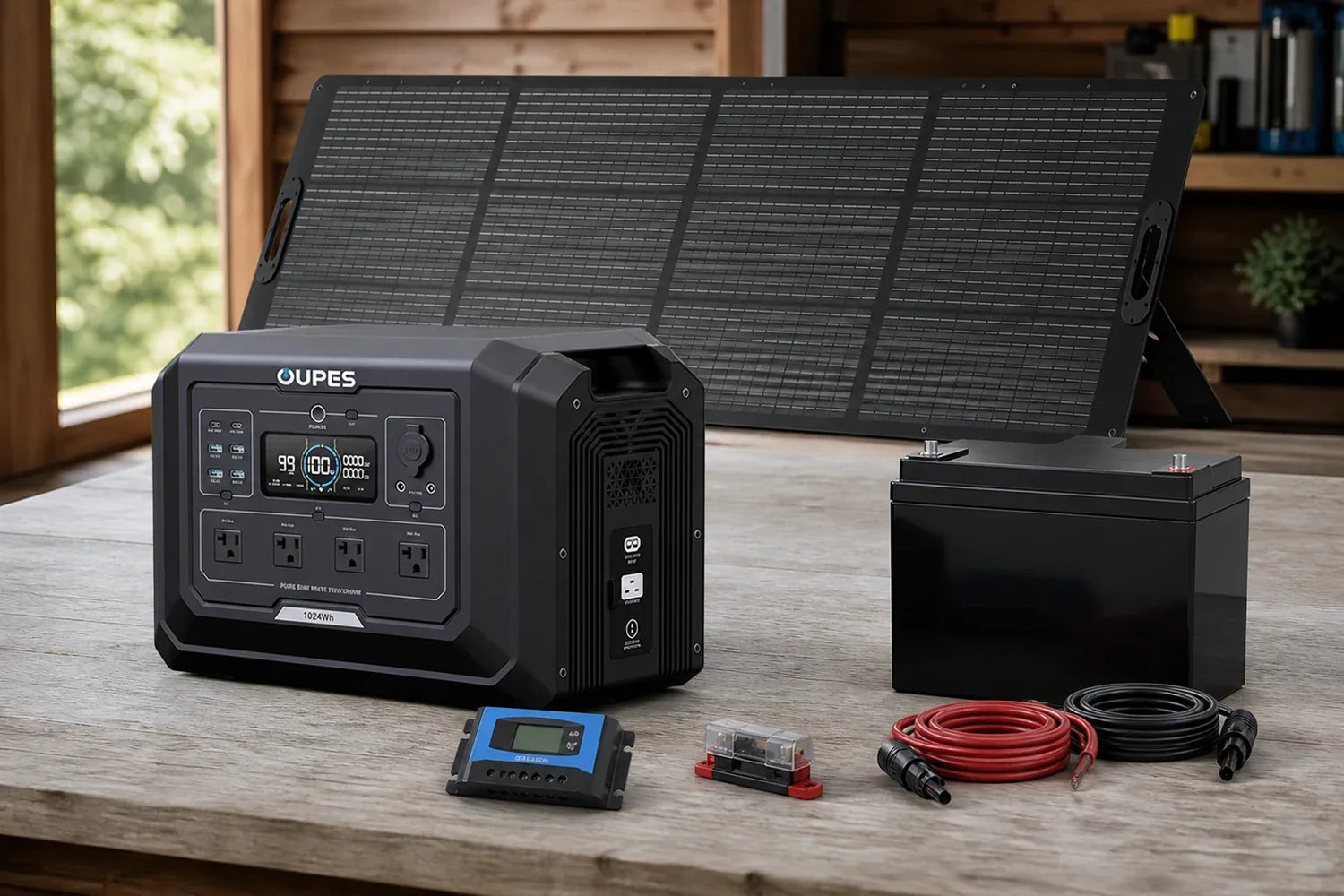
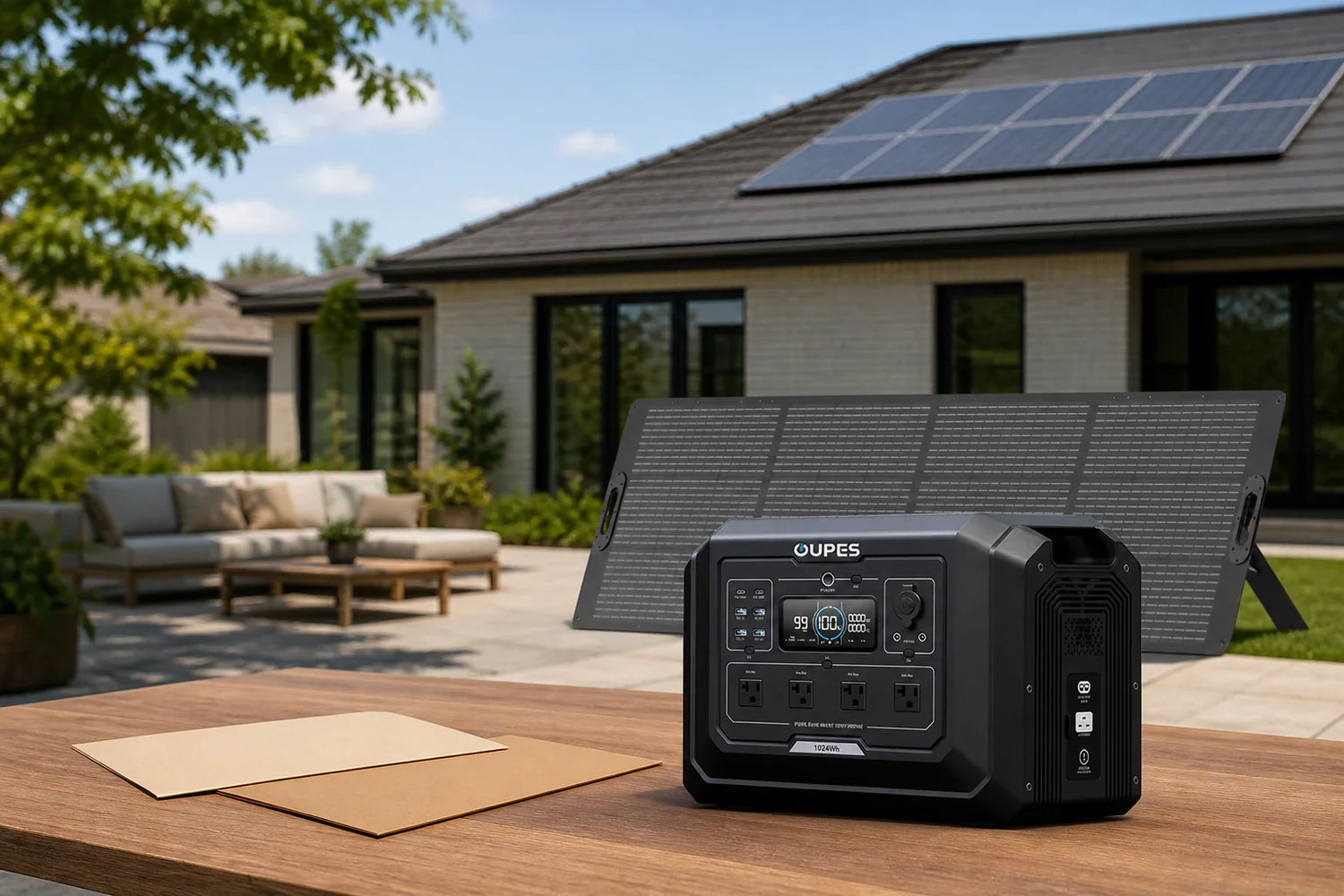
The Mega 1 + 240W Solar Panel kit can serve as a portable layer for measured loads that fit 2,000W rated output and 1,024Wh capacity. It is more plausible for controls, communications, a modest fan, or scheduled pump than for sustained electric space heating. Calculate each load from its label and operating pattern.
Use the portable solar panel collection to understand portable charging options and the home backup collection when duration, rather than mobility, is the main constraint. Permanent greenhouse wiring and fixed arrays require professional design appropriate for damp agricultural spaces.
Three Greenhouse Energy Tiers
A monitoring tier keeps sensors, alarms, and communications alive. A crop-protection tier adds essential circulation, ventilation control, and a limited pump. A production tier may add lighting, larger irrigation, cooling, or heating. Size each tier separately so a high-demand accessory cannot consume the reserve intended for alarms or freeze protection.
Use load controls to enforce priorities. Timers can shift irrigation into daylight; thermostat set points can prevent unnecessary heating; staged fans can reduce simultaneous startup. Manual operating instructions should explain which circuits are shed first during low battery or poor solar conditions.
Sample Energy Budget Method
Suppose a 25W circulation fan runs 12 hours, controls average 10W for 24 hours, and a 60W pump runs one hour. That totals about 600Wh before losses. Add actual startup requirements, controller and inverter losses, cold-temperature effects, and reserve. Replace these illustrative values with measurements from your equipment.
Now test a cloudy-day scenario with little charging. If the battery must cover two days, storage needs roughly double before reserve and losses. Compare that with adding efficiency, reducing pump runtime, or providing an alternative charging source. The lowest-cost resilience improvement may be a smaller protected load list.
Greenhouse Safety Checklist
- Locate batteries and inverters away from irrigation, condensation, fertilizer, and blocked airflow.
- Use equipment and enclosures rated for the actual environment.
- Protect cables from tools, carts, rodents, doors, and sharp framing.
- Keep heating equipment clear of plants and combustible materials.
- Provide a high- and low-temperature alarm independent of optional loads.
- Write a response plan for low battery, failed ventilation, and freeze risk.
Inspect the system as seasons and crops change. Added lights, fans, pumps, or propagation mats alter both daily energy and simultaneous output. Update the load sheet before relying on the previous battery estimate.
Power, Capacity, and Solar Production Are Different
Watts describe the rate at which equipment uses or produces power. Watt-hours describe stored or consumed energy over time. A system can have enough energy for a day and still fail to start a motor if its inverter cannot handle the momentary demand. It can also have ample rated output but run for only a short period if the battery is small relative to the load. List continuous watts, possible startup watts, and daily watt-hours separately.
Solar-panel nameplate power is a test-condition rating, not a promise of identical output every hour. Shade, orientation, temperature, clouds, cable losses, controller limits, and season all matter. Use a range for expected production and leave reserve energy for poor weather. When portable panels charge a power station, the station’s documented solar-input limits remain the controlling boundary even if more panel wattage is physically available.
Keep Fixed Solar and Portable Backup in the Right Categories
A roof, carport, greenhouse array, or permanent tiny-house electrical system may involve structural engineering, electrical permits, utility interconnection, grounding, overcurrent protection, and code-compliant wiring. A portable OUPES solar generator is a power station packaged with portable solar charging. It can support compatible plug-in loads, but it should not be described as a grid-tied array, an automatic whole-home system, or a substitute for professional fixed wiring.
That boundary is useful rather than limiting. A fixed array can serve the building’s long-term energy plan, while portable storage can cover selected loads, travel, maintenance outages, or locations where permanent work is not appropriate. Review the US solar generator collection, portable solar panels, and home backup packages as distinct categories instead of assuming that every product solves the same problem.
Use a Repeatable Sizing Workflow
Start with a load inventory. For each item, record rated watts, hours per day, startup behavior, and whether it must run at the same time as another device. Multiply watts by hours to estimate daily watt-hours, then add a reserve rather than planning to empty a battery completely. For thermostatically controlled loads, measure real cycling when practical because a simple nameplate-times-hours estimate may be too high or too low.
Next, compare three constraints in order: connection compatibility, simultaneous output, and energy duration. A connection that does not match cannot be fixed by extra battery capacity. An inverter that is too small cannot be fixed by extra solar panels. A battery that is too small cannot be made dependable by assuming perfect sun. Document each constraint independently and confirm uncertain specifications with the equipment manufacturer.
Plan for Weather, Placement, and Maintenance
Keep portable power equipment dry, ventilated, stable, and within the manufacturer’s temperature limits. Route cables where they will not be pinched, crushed, tripped over, or left in standing water. Inspect connectors for damage and contamination before use. Never disconnect energized DC connectors casually, improvise adapters, or mix components merely because they appear to fit.
Production and load both change with weather. Winter can reduce solar hours while heating-related demand rises; summer heat can increase ventilation or cooling loads. Recheck the energy budget for the hardest relevant season. Store manuals, cable identification, load calculations, and a simple shutdown procedure with the equipment so another household member can operate the setup without guessing.
Frequently Asked Questions
Can a solar panel heat a greenhouse?
Solar electricity can power a heater, but electric heating usually consumes large amounts of energy. Calculate winter heat loss and nighttime watt-hours before assuming a small panel and battery are sufficient.
What greenhouse loads are easiest to run on solar?
Sensors, controls, communications, small circulation fans, irrigation timers, and selected pumps are often more manageable than continuous space heating or high-intensity lighting.
How large should the battery be?
Add daily watt-hours for critical loads, account for conversion and temperature, choose the desired reserve period, and preserve margin. Measure cycling loads for a more useful estimate.
Can equipment stay inside the greenhouse?
Only if its documentation permits the temperature, humidity, dust, and moisture exposure. Portable power stations generally need a dry, stable, ventilated location protected from irrigation and condensation.
Should panels be mounted on the greenhouse roof?
Only after checking shade on crops, structure, wind and snow loads, waterproofing, access, and local permits. Ground or adjacent mounting may be more appropriate.
Can the OUPES kit run a 1,500W heater?
Its 2,000W rated output may be above that running wattage, but runtime from a 1,024Wh battery would be short and startup or cycling behavior still matters. It is not a dependable overnight heating assumption.
Conclusion
A greenhouse solar plan succeeds by protecting the smallest truly critical load set first. Measure fans, pumps, controls, lights, and heating separately; reduce heat loss; model winter production; and keep electrical equipment dry. A portable OUPES solar generator can support compatible selected loads, while fixed arrays and greenhouse wiring remain professional installation work.
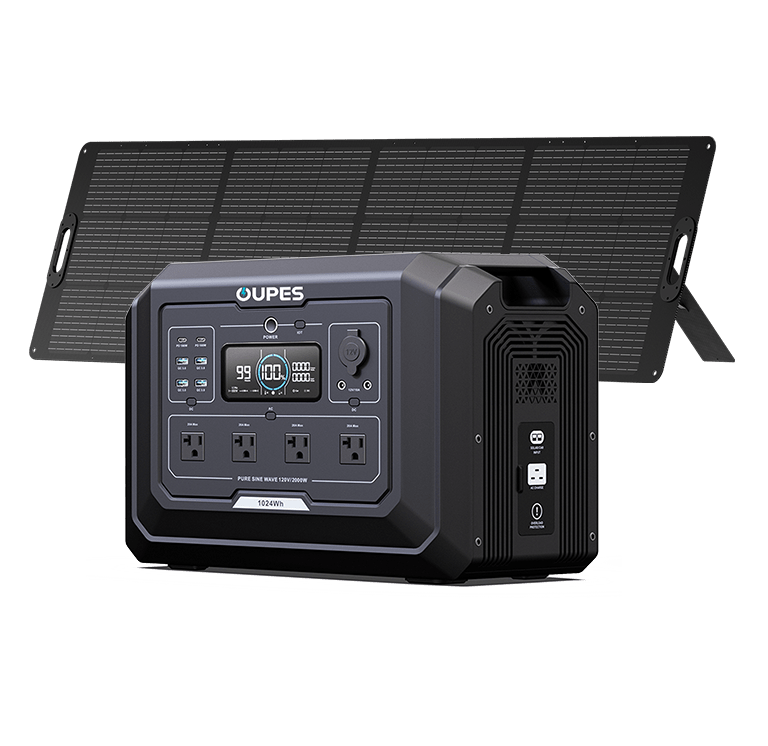
Mega 1 + 240W Solar Panel Solar Generator Kit
- Mega 1 with one 240W portable solar panel
- 1,024Wh capacity
- 2,000W rated output
- Up to 800W solar input


Leave a comment
This site is protected by hCaptcha and the hCaptcha Privacy Policy and Terms of Service apply.