


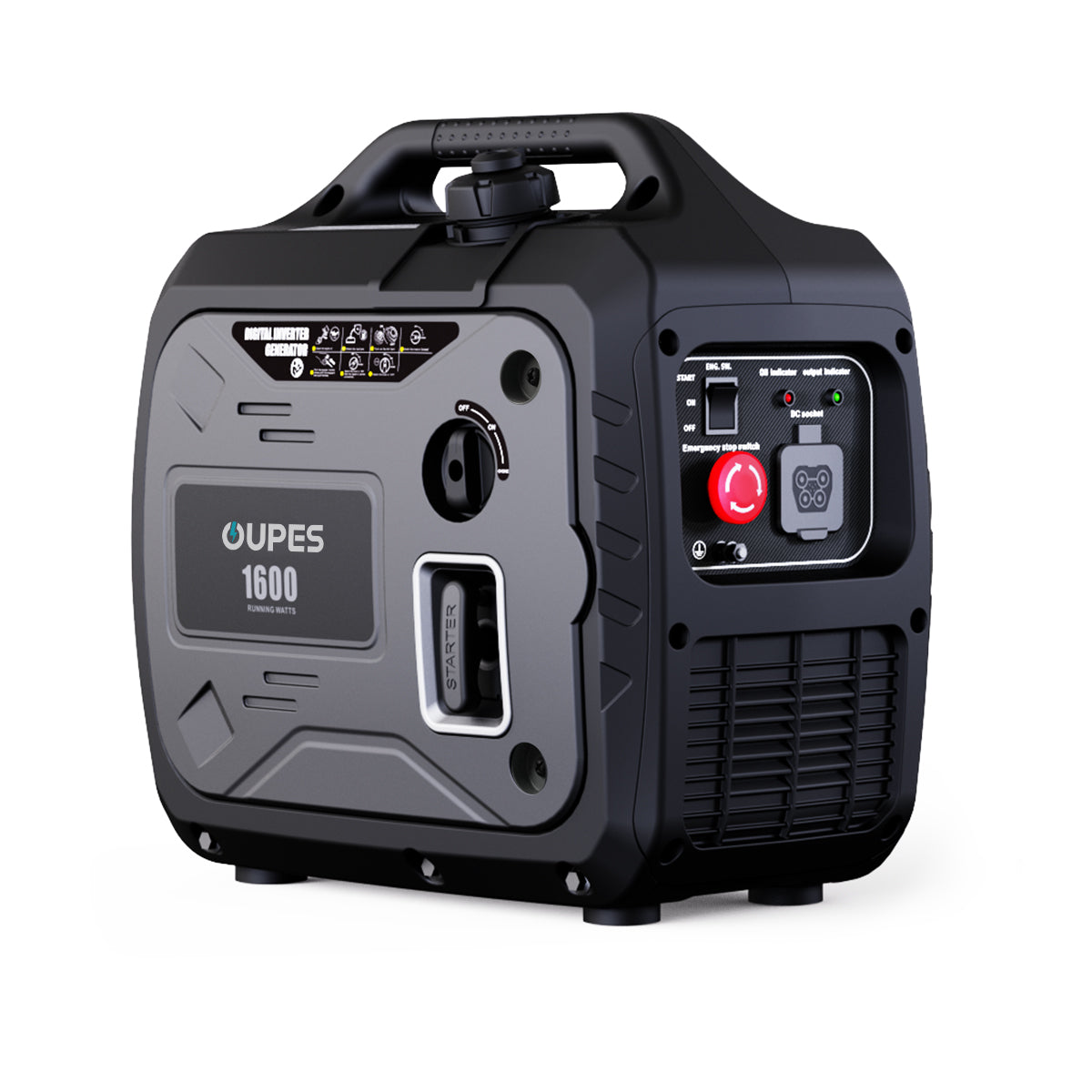


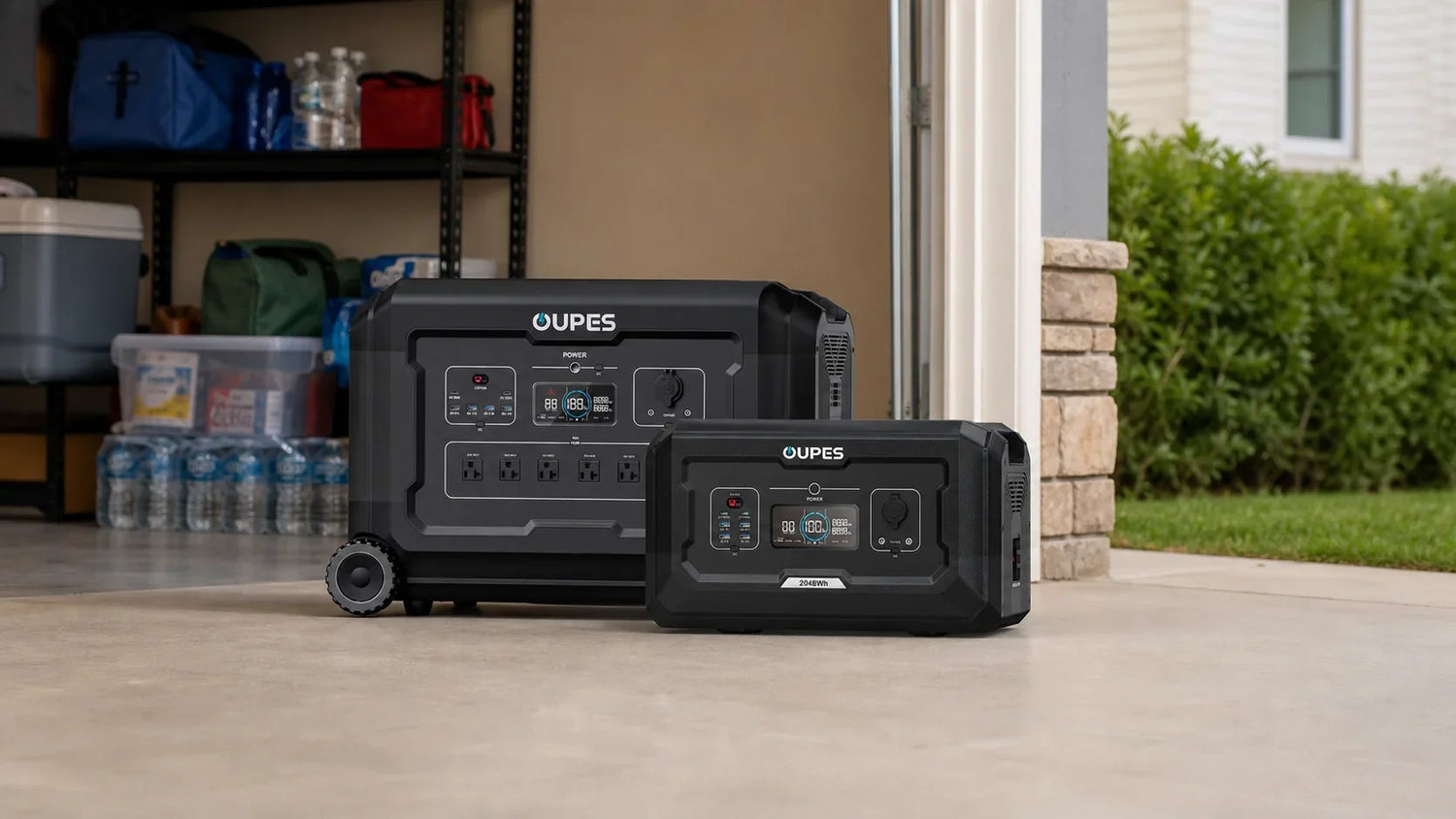
Choose home battery backup when quiet operation, stored electricity, low routine maintenance, and indoor plug-in use matter most. Choose a fuel generator when a long outage and sustained heavy loads make refueling more practical than waiting to recharge. The right answer depends on critical loads, outage length, safe operating space, fuel access, charging options, and whether the system is portable or professionally integrated.
This comparison avoids live prices because equipment, installation, fuel, and promotions change. It also avoids declaring either solution universally better. Start from household requirements and compare both on the same basis.
Home Battery Backup vs. Generator at a Glance
| Decision Factor | Battery Backup | Fuel Generator |
|---|---|---|
| Energy | Stored watt-hours; recharge required | Runs while safe fuel supply continues |
| Operating location | No engine exhaust; still requires dry, ventilated placement | Outside only, far from openings |
| Noise | Quiet except cooling fans | Engine noise during operation |
| Maintenance | Charge checks, inspection, battery storage care | Engine, oil, fuel, starting, and storage maintenance |
| Long heavy loads | May require substantial battery capacity and charging | Often practical when refueling is safe and available |
| Solar option | Compatible storage can recharge from solar | Typically relies on fuel unless paired with another system |
These are category-level differences. A large battery may provide more rated output than a small generator, and generator types vary. Always compare actual manuals, ratings, and installation requirements.
Compare Output and Runtime Separately
Rated watts determine which loads can run together. Add continuous watts and identify startup demand from refrigerators, pumps, furnace blowers, and other motors. Both technologies can be undersized for a startup event even if their energy supply seems adequate.
Runtime is different. Battery duration comes from usable watt-hours divided by load, reduced by conversion, temperature, standby draw, and battery condition. A generator can continue when safely refueled, which can favor it during extended high-load outages. Fuel availability, storage limits, and maintenance then become part of runtime.
Create a critical-load day rather than using total household consumption. Refrigeration, communications, selected lighting, required pumps or controls, and approved medical equipment may be prioritized. The disaster preparedness page can support the wider plan.
Noise, Location, and Safety Change the Decision
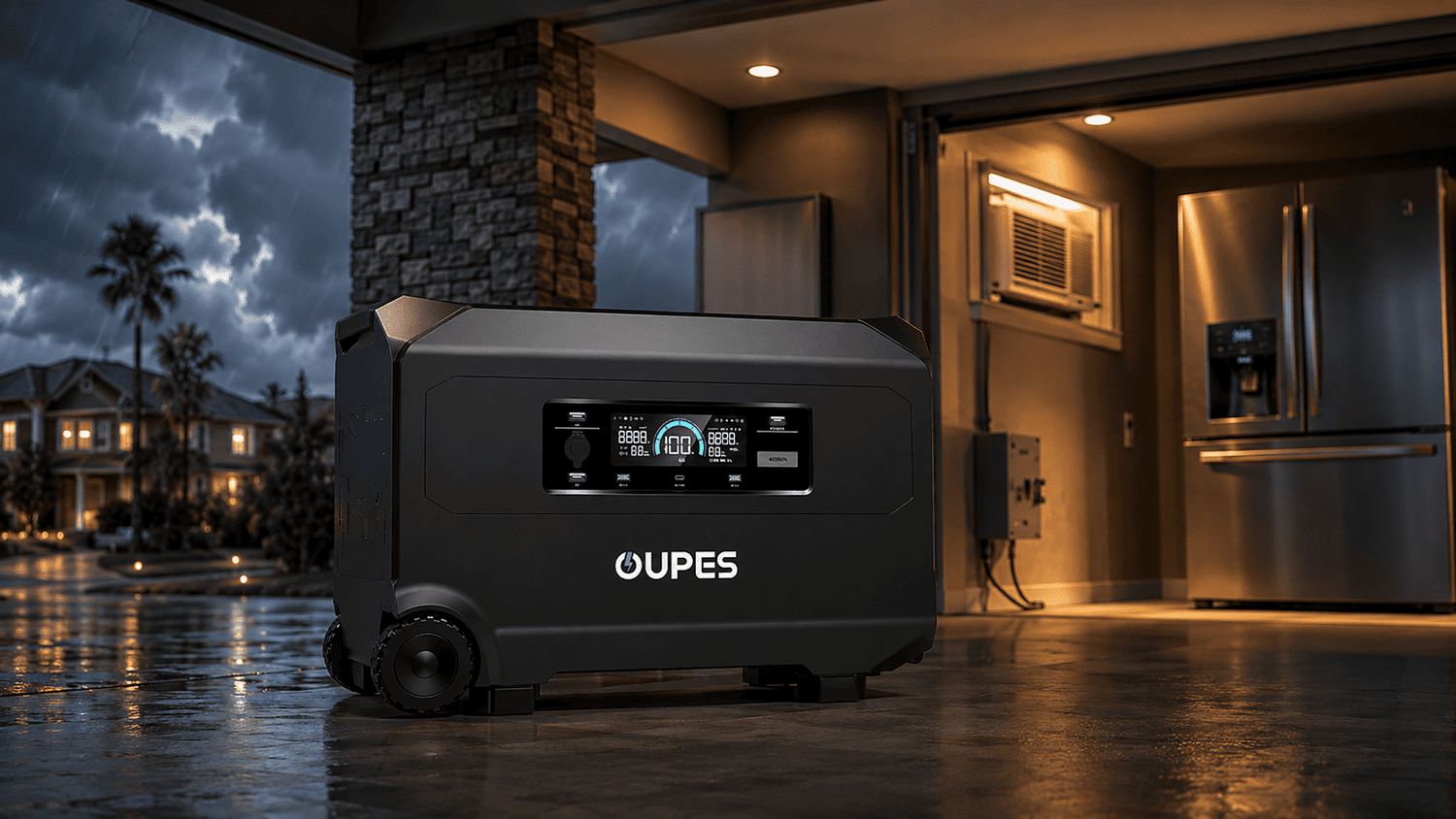
A battery system has no combustion exhaust at the point of use. It can support suitable plug-in loads from a dry ventilated location within documented temperature limits. It must not be backfed into household wiring or placed where water, heat, blocked vents, or damaged cables create risk.
A fuel generator produces carbon monoxide. The U.S. Consumer Product Safety Commission’s portable-generator safety guidance says it must be used outside, far from windows, doors, vents, and other openings, never inside a home, garage, basement, or shed. This requirement may make a generator impractical at some properties even when its runtime is attractive.
Noise affects neighbors, sleep, communications, and local restrictions. Batteries are well suited to quiet nighttime essentials. Generators can serve demanding daytime loads when safely placed. Some households intentionally layer the two rather than forcing one technology to cover every hour.
Compare Maintenance and Readiness
A battery needs scheduled charge checks, cable inspection, correct storage, and periodic testing with representative loads. It should not be assumed ready merely because it has been sitting unused. Capacity and battery condition change over time.
A generator adds fuel management, engine service, oil, starting-system care, and safe storage. Old fuel or neglected maintenance can undermine readiness. Follow the manufacturer’s schedule rather than assuming an engine will start after months of storage.
Compare total ownership effort as well as purchase price. Include compatible accessories, professional electrical work, replacement expectations, charging or fuel, storage, and the time required to maintain readiness. Avoid conclusions based on a temporary sale.
Battery Expansion and Solar Recharging
Expandable battery systems add watt-hours without necessarily increasing rated output. This helps when duration is the main problem. The US home backup collection contains main-unit and expansion-battery packages, while the portable power station collection covers standalone units.
Compatible solar can replenish a battery without fuel delivery, but production varies by season, cloud, shade, angle, temperature, and available panel area. The home solar generator page provides relevant context. Solar should be modeled as an energy range, not a guaranteed nameplate output all day.
A generator can also recharge separate batteries in some layered systems, but connections, charge rates, grounding, and operating instructions must be verified. Do not improvise integration.
Choose for Your Home and Outage Pattern
Battery backup is favored when
- Quiet operation and indoor plug-in loads are priorities.
- Outages are usually short or loads are carefully managed.
- Charging is reliable before or during the outage.
- Fuel storage and outdoor generator placement are difficult.
A generator is favored when
- High loads must continue for long periods.
- Safe outdoor placement is available.
- Fuel can be stored and replenished correctly.
- The household will perform required engine maintenance.
A layered plan may fit when
Battery power handles quiet nighttime essentials and electronics, while a safely operated outdoor generator handles heavy loads or recharging. A layered plan costs more and requires two maintenance routines, so use it only when the load and outage analysis supports it.
Run two scenarios before deciding. The first is a quiet overnight outage with refrigeration, phones, router, and selected lights. The second is the heaviest daytime hour with a pump, furnace blower, kitchen appliance, or tools. The overnight case reveals capacity needs; the daytime case reveals simultaneous output and startup demand.
Add a logistics test. For a battery, identify how it will recharge after day one, especially during clouds or a regional outage. For a generator, identify a compliant outdoor location, safe fuel storage, replenishment, and the person responsible for maintenance. A plan that depends on an unavailable location or resource is incomplete.
Account for absence. A system requiring manual setup may not protect loads while everyone is away. Automatic or fixed backup is a different installation class and should be assessed for transfer controls, permits, and professional work. Do not infer automatic operation from the words “home backup” in a portable package name.
OUPES Mega 3 + B2 Home Backup Example
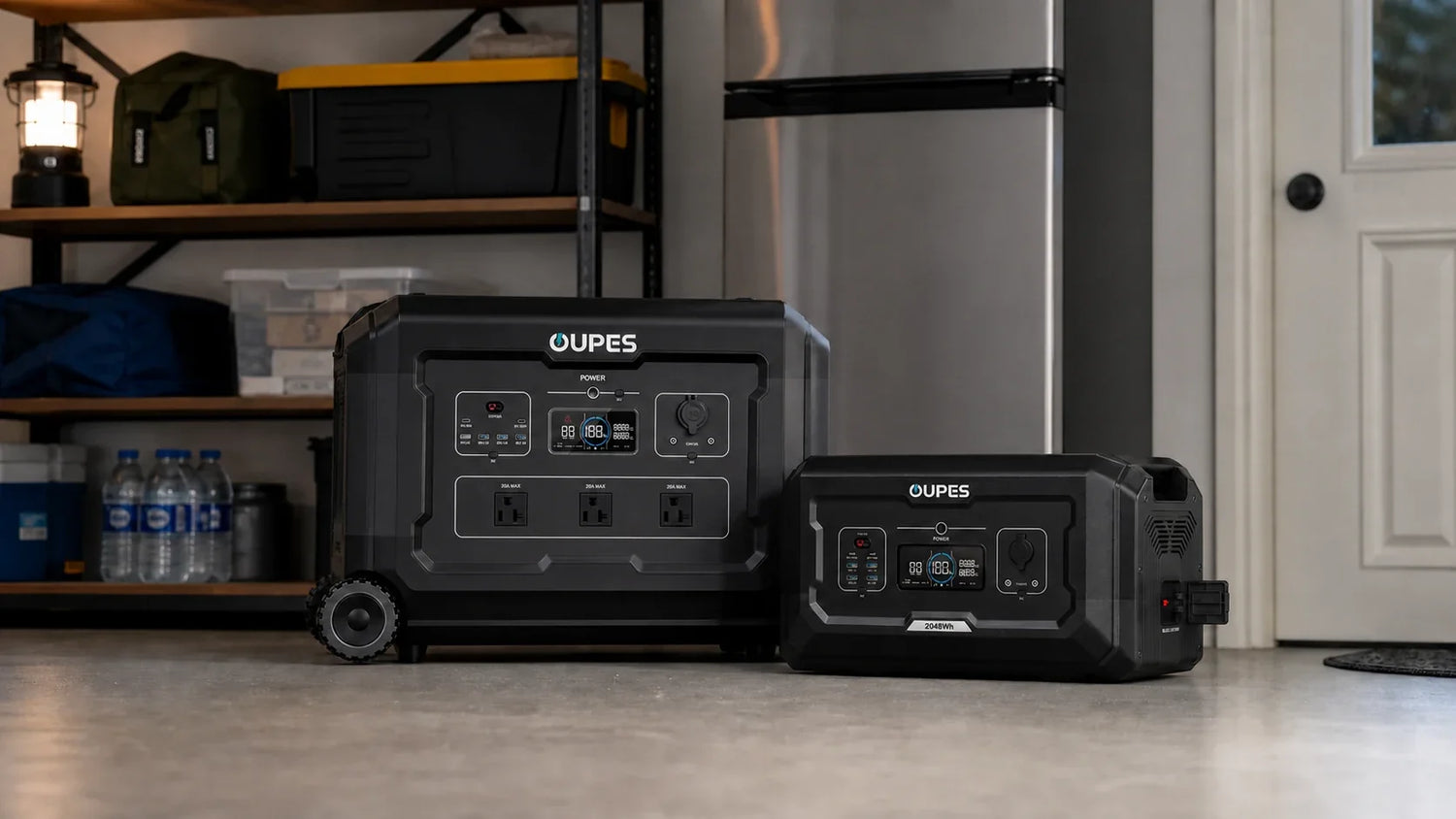
The Mega 3 + B2 package combines one Mega 3 power station with one expansion battery for 5,120Wh capacity, 3,600W rated output, and up to 2,100W solar input. It can support a measured set of home emergency loads whose startup and simultaneous demand fit the rating.
The package is not an automatic grid-connected whole-home installation and includes no solar panel. Added capacity extends potential runtime but does not raise every device’s compatibility. Review the Mega Series for family context, and have fixed circuit integration evaluated professionally.
Resilience also includes failure recovery. Decide what happens if the battery does not recharge, the generator does not start, fuel is unavailable, or weather prevents safe operation. A written alternative may include reducing loads, relocating, using a community resource, or contacting a professional. No single device should be treated as an unlimited guarantee.
Revisit the comparison when household conditions change. A new well pump, furnace, refrigerator, medical device, electric cooking appliance, or work-from-home requirement can alter both peak watts and daily energy. Update the load table before assuming an existing system remains adequate, and retain the manuals with the emergency plan.
When comparing quotes, require each option to state what equipment, professional work, maintenance, and operating assumptions are included. This makes unlike packages easier to compare without relying on headline wattage or a temporary price.
Frequently Asked Questions
Which option lasts longer?
A generator can continue with safe refueling; a battery lasts until stored energy is used or recharged. Actual duration depends on load. Large batteries can cover long essential-load windows, while heavy loads shorten them quickly.
Which is quieter?
Battery systems are generally quieter, though cooling fans may run. Fuel generators produce ongoing engine noise. Consider nighttime use, neighbors, and local restrictions.
Can a battery replace a generator?
It can replace one for loads and outage durations within its output, capacity, and charging plan. It may not be economical or practical for prolonged high-power demand.
Can either connect to my breaker panel?
Do not backfeed or improvise wiring. Fixed integration may require transfer equipment, grounding decisions, permits, and a qualified professional, regardless of energy source.
Does solar make battery backup unlimited?
No. Solar output is variable and may be lower during the weather causing the outage. Maintain reserve, prioritize loads, and plan an alternative when low production continues.
What should I calculate first?
List critical loads, simultaneous running watts, startup demand, daily watt-hours, and desired outage duration. Then compare operating location, fuel or charging access, maintenance, and professional installation needs.
Conclusion
Battery backup wins on quiet, rechargeable, managed power; a generator often wins on long high-load runtime with safe fuel access. Mega 3 with B2 offers 5,120Wh and 3,600W for a substantial critical-load plan, but it should be chosen from measured needs and not described as a universal generator replacement.
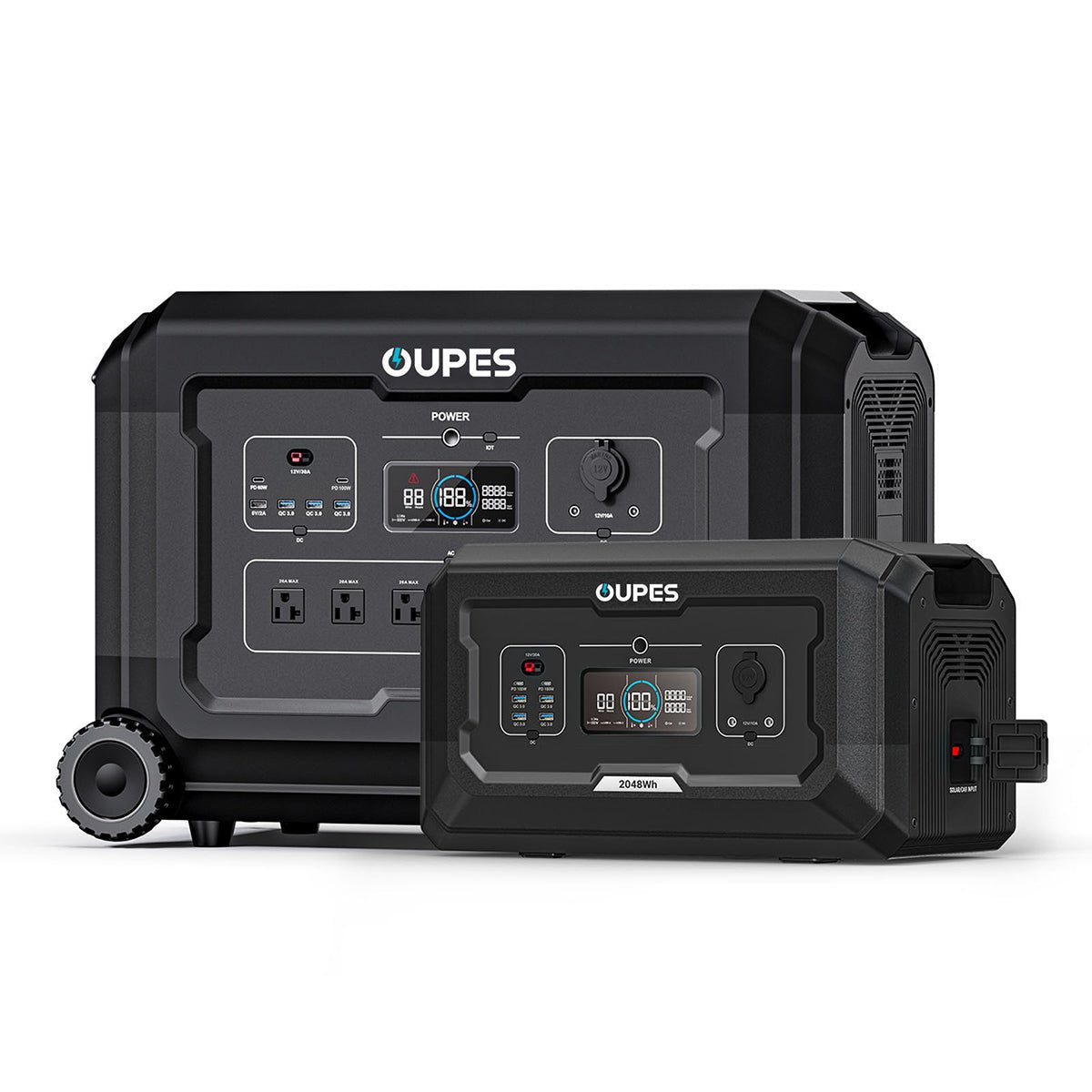
Mega 3 + B2 Extra Battery Home Backup
- Mega 3 with one B2 expansion battery
- 5,120Wh combined capacity
- 3,600W rated output
- Up to 2,100W solar input


Leave a comment
This site is protected by hCaptcha and the hCaptcha Privacy Policy and Terms of Service apply.