




For a PG&E customer on EV2-A, a portable power station charged from an ordinary household outlet is billed under the home’s time-of-use schedule; the off-peak window is the first place to look. EV-B is different: it requires a second meter dedicated to EV charging, so do not assume its overnight price applies to a portable station on a home outlet. Confirm your actual rate, meter and winter dates before setting a schedule.
Key Takeaways
- EV2-A covers home and vehicle use on one plan; EV-B separates EV charging on a dedicated second meter.
- PG&E lists EV2-A off-peak from midnight to 3 p.m. and EV-B off-peak from 11 p.m. to 7 a.m.; the bill determines which applies to a particular outlet.
- A station loses energy in a charge-discharge cycle, so compare the cost of energy bought with energy actually delivered.
Start with the meter, not the cheapest published hour
PG&E’s residential EV rate-plan page, checked November 12, 2026, distinguishes EV2-A from EV-B. EV2-A combines household and EV electricity use. EV-B separates vehicle charging from home use and requires installation of a second meter dedicated to the EV. PG&E says the house remains on another eligible rate plan under EV-B. A portable station plugged into a normal house outlet follows that house meter’s plan, not the EV-B meter simply because someone in the home owns an EV.
Read the rate code on your bill, then identify the meter serving the outlet you intend to use. If you are considering a plan change, include the effect on every other household load. PG&E offers a residential EV calculator, but enter your real usage rather than treating a rate label as a savings guarantee.
Read the winter windows for each plan
PG&E presents EV2-A winter as October through May. It lists off-peak from midnight to 3 p.m., partial peak from 3 to 4 p.m. and 9 p.m. to midnight, and peak from 4 to 9 p.m. EV-B winter is November through April. Its lowest window is 11 p.m. to 7 a.m.; other periods carry higher prices. These seasons differ, and each plan has its own full tariff and eligibility rules. Check the current schedule and bill for the exact cents per kWh and any later revision.
If your ordinary household meter is EV2-A, you could schedule station charging within its off-peak period after confirming the product’s charging instructions. If your EV is on EV-B but the station plugs into the house, use the household schedule. Do not connect a station to the dedicated EV circuit or second meter without the utility and a qualified electrician confirming that use is permitted.
Calculate the cost of one delivered kilowatt-hour
Let η represent wall-to-device efficiency, including charging and later output losses. To deliver 1kWh to a device, buy 1 ÷ η kWh from the wall. At an illustrative η of 0.80, that is 1.25kWh. If your actual off-peak price were an assumed $0.20/kWh and your peak price an assumed $0.40/kWh, the energy cost to charge would be $0.25 and the avoided peak energy would be $0.40: a $0.15 energy-only difference per delivered kWh. These dollar rates are teaching inputs, not PG&E’s current rates or a promised saving.
Now repeat with your bill. Include delivery, applicable charges, battery wear and the portion of load you can really shift. If the station would have been charged for outage reserve anyway, avoid counting the same kWh both as a tariff-saving cycle and untouched emergency capacity. Directly moving a flexible appliance to a cheaper hour generally avoids battery conversion losses.
Check the device and charging window
List each device’s average watts and hours: Wh = W × h. A 40W work setup for three evening hours uses about 120Wh at the device. If the load is a refrigerator or motor, use measured average energy and check startup power separately. A station’s nominal Wh and rated AC W answer different questions; neither alone proves how long your device will run.
Confirm that the planned charging window is long enough for the station under its actual input setting, and that its outlet and the household circuit can safely supply the input. Do not make a charging plan that requires running cords through doors, over walkways or into wet spaces. A portable station serves compatible plug-in devices; it does not automatically participate in PG&E grid programs or feed power back through a wall socket.
Where an OUPES station fits
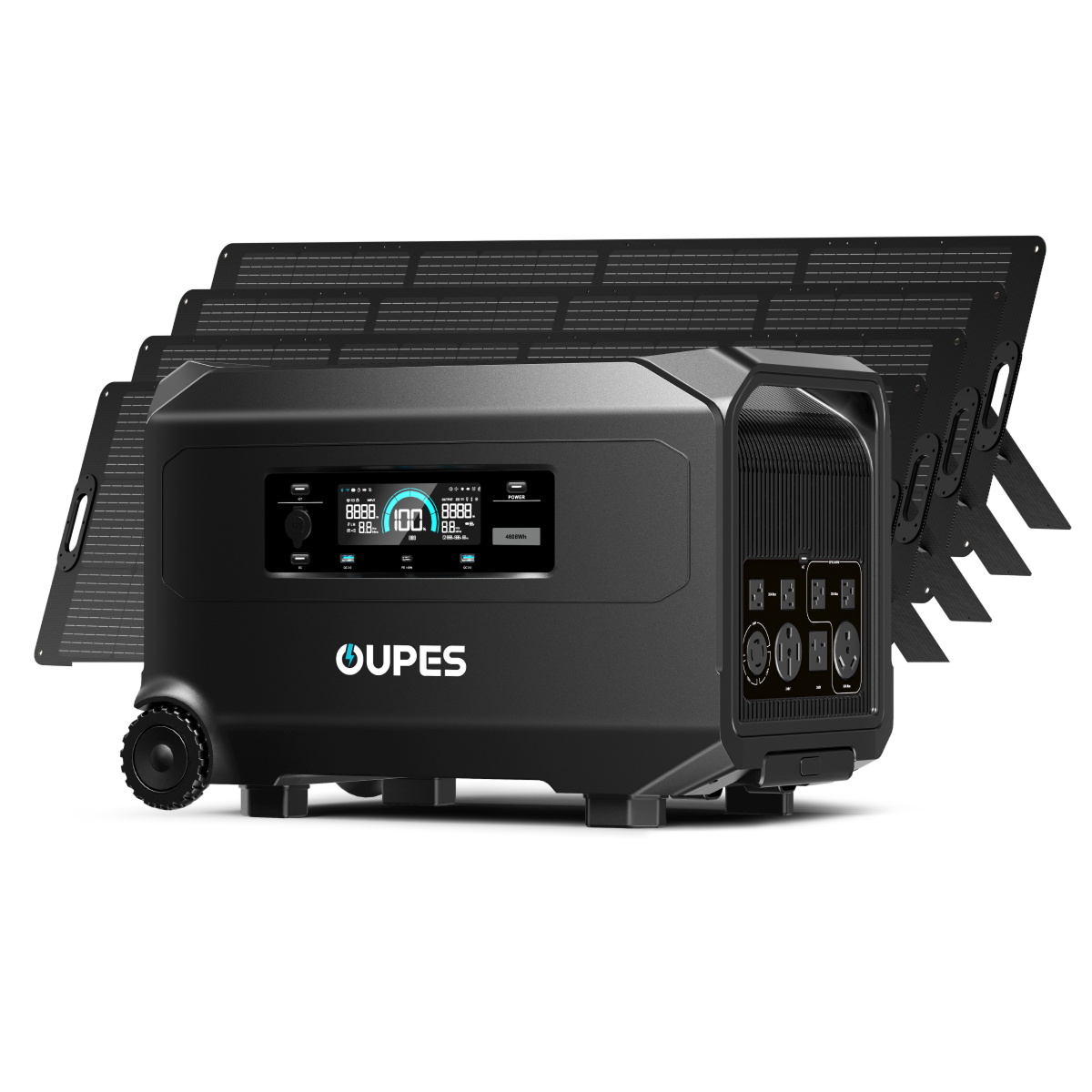
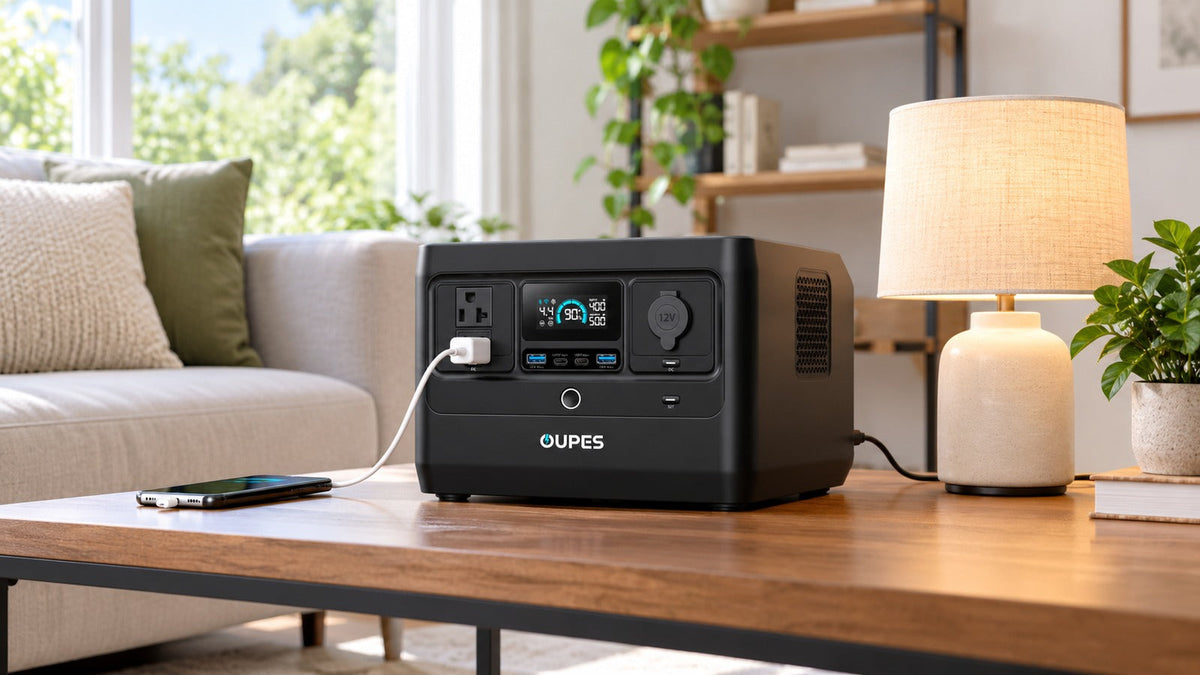
The current US OUPES Mega 1 unit-only listing has 1,024Wh nominal capacity and 2,000W rated AC output. It may fit a measured set of plug-in loads and a scheduled recharge window, while its 1,024Wh nameplate is not the amount ultimately delivered after losses. Choose it only after checking your load, outlet and rate plan; it is not an EV charger or a whole-home tariff controller.

OUPES Mega 1
- 1,024Wh nominal capacity.
- 2,000W rated AC output for compatible plug-in devices.
- Use your own meter and tariff before setting a charge schedule.
If your primary reason is outage readiness, keep a deliberate reserve and test the plan before winter. Never feed the unit into household wiring through an improvised connection.
Frequently asked questions
Does owning an EV put every outlet on EV-B?
No. EV-B uses a second meter for EV charging; the home meter has its own plan.
Is midnight always the cheapest hour?
No. EV2-A and EV-B have different windows and seasonal dates. Follow the meter and current tariff.
Can a portable station earn money from PG&E by charging off-peak?
A lower energy bill is possible only if the actual tariff spread exceeds losses and costs. This article does not assume participation in a grid service program.


Leave a comment
This site is protected by hCaptcha and the hCaptcha Privacy Policy and Terms of Service apply.